
Is Horse Manure Good for Your Garden?
If you have a stable nearby, you may have been offered a free pile of horse manure. The good news: it is one of the best soil amendments you can get for free. The catch: you cannot dump it straight onto your beds. Fresh horse manure can burn plants, sprout a carpet of weeds, carry pathogens, and, in the worst cases, poison your tomatoes with leftover herbicide.
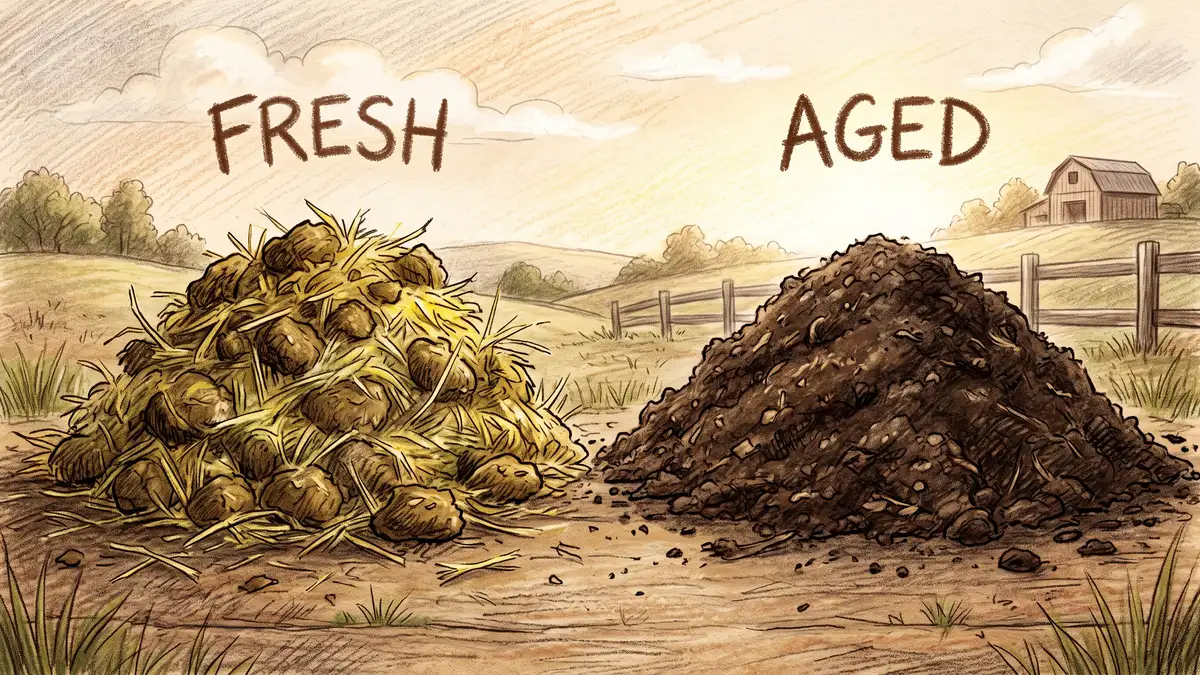
The fix is simple and mostly hands-off: age or compost it first. Done right, horse manure turns into a dark, crumbly amendment that feeds your soil for a whole season. This guide walks you through what is in horse manure, how to age it safely, and how to use the finished product without hurting your crops.
Key Takeaway
Horse manure is a low-cost, high-value amendment, but only after aging. Fresh manure brings weed seeds, salts, pathogens, and possible herbicide residue. Composting it hot, or aging it for six months to a year, solves nearly all of those problems and leaves you with rich, soil-building compost.
What's in Horse Manure, and Why Age It?
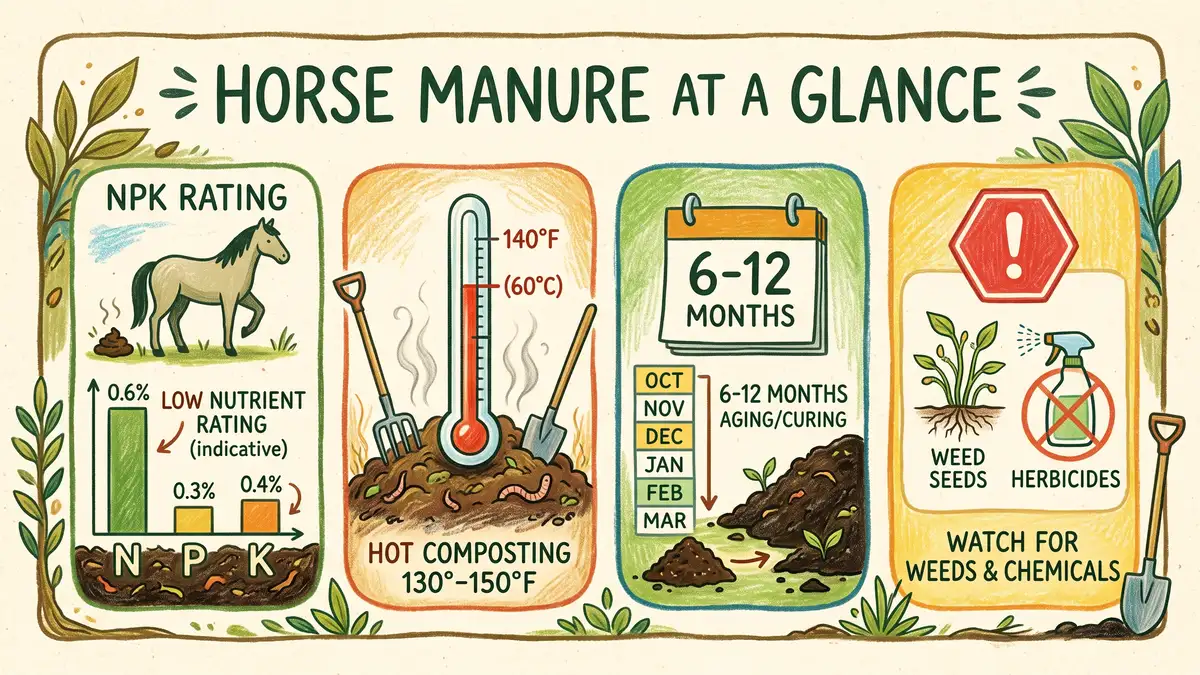
Horse manure is a balanced but gentle fertilizer. According to UMass Extension, a ton of fresh horse manure supplies roughly 12 pounds of nitrogen, 5 pounds of phosphate, and 9 pounds of potash, an analysis of about 0.6-0.3-0.5 (N-P-K). That is far milder than chicken manure, which means less burn risk, but its real value is the large amount of organic matter it adds to build soil structure and feed soil life.
The complication is bedding. Stall-cleaned manure almost always includes wood shavings, sawdust, or straw, which pushes the carbon-to-nitrogen (C:N) ratio to between 23:1 and 48:1, per the Livestock and Poultry Environmental Learning Community. All that carbon means fresh manure can temporarily rob nitrogen from your soil as it breaks down. Composting fixes this, which is one reason a good grasp of brown vs green compost ratios pays off here.
| Manure Type | Nitrogen | Relative Strength | Notes |
| Horse | Moderate (~0.6%) | Gentle | High organic matter, weed seeds |
| Cow | Moderate | Gentle | Fewer weed seeds, wetter |
| Chicken | High (~1.5%+) | Strong | High burn risk, compost first |
Sources:
Fresh manure carries three more problems worth naming. First, weed seeds: horses eat hay and pasture grass and do not digest seeds well, so Colorado State University Extension calls horse manure "legendary" for seeding gardens with weeds. Second, ammonia and salts in fresh manure can burn roots and foliage if over-applied. Third, pathogens like E. coli and Salmonella can survive in raw manure. Aging and hot composting address all three.
How to Age and Compost Horse Manure
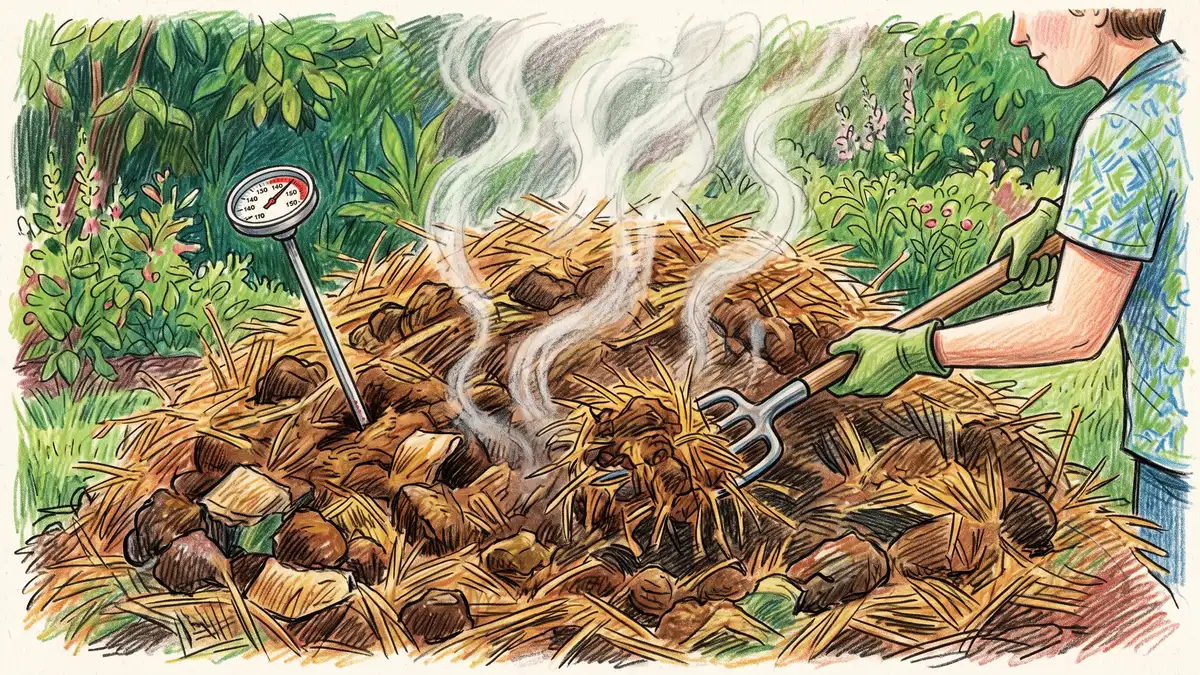
You have two paths: fast and hot, or slow and cold. Hot composting is the better choice for horse manure because heat is what kills weed seeds and pathogens. University of Georgia Extension advises keeping the pile around 140°F for several weeks with regular turning. Colorado State pushes higher, above 145°F, to heat-process the whole pile. The payoff is dramatic: one dataset in an eOrganic/USDA review found 100% mortality of six weed species after less than an hour at 158°F.
To hit those temperatures, aim for a carbon-to-nitrogen ratio near 30:1, keep the pile about as damp as a wrung-out sponge (roughly 50% moisture), and turn it weekly so the cooler outside material rotates into the hot core. A guide to hot vs cold composting covers the mechanics in more depth.
Cold aging is easier but slower: stack the manure, keep it moist, and let it sit. Expect it to be garden-ready in about 6 months to a year or two. The tradeoff is that a cold pile never gets hot enough to reliably kill weed seeds or pathogens, so you trade convenience for a bit more caution at application. Either way, here is the process:
Stack and balance
Pile the manure and bedding at least 3 feet cubed. If it is heavy on wood shavings, mix in a nitrogen source like grass clippings to lower the C:N ratio.
Moisten and heat
Water to a wrung-sponge dampness. A hot pile should reach 130 to 150°F within days. Check with a compost thermometer.
Turn weekly
Turn the pile each week so all material passes through the hot center, killing weed seeds and pathogens evenly.
Cure and check
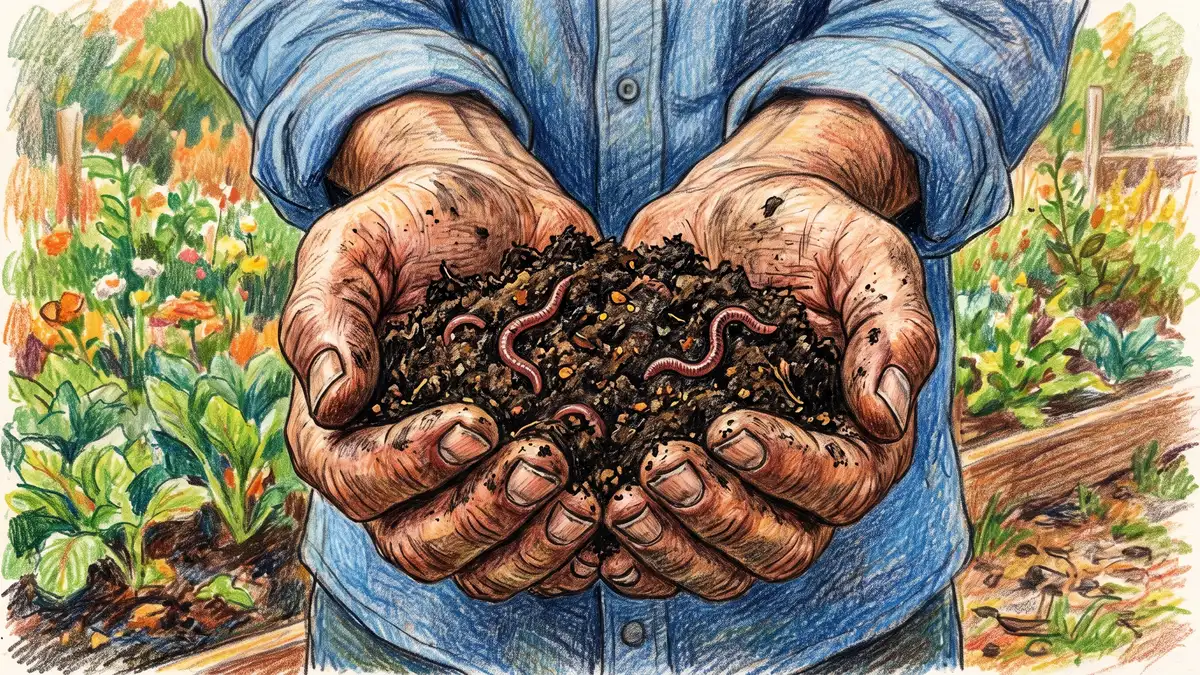
Let it cure until it is dark, crumbly, and smells earthy, not like ammonia. That is your signal it is finished and safe to use.
Why This Works: The Compost Food Web
The heat in a compost pile is not magic, it is biology. Heat-loving (thermophilic) microbes multiply as they digest the manure, and their combined metabolism drives the pile to 140°F and beyond. That same heat sterilizes weed seeds and pathogens, so a well-managed pile cleans up your manure while feeding the soil food web that will later nourish your plants.
Need the gear for this?
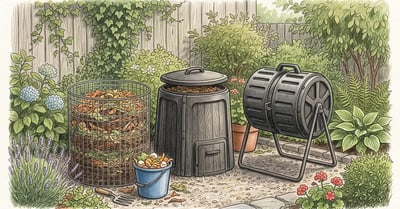
Bins and tumblers picked by yard size, with the honest trade-offs for each.
See the compost bin picksHow to Use Aged Horse Manure Safely
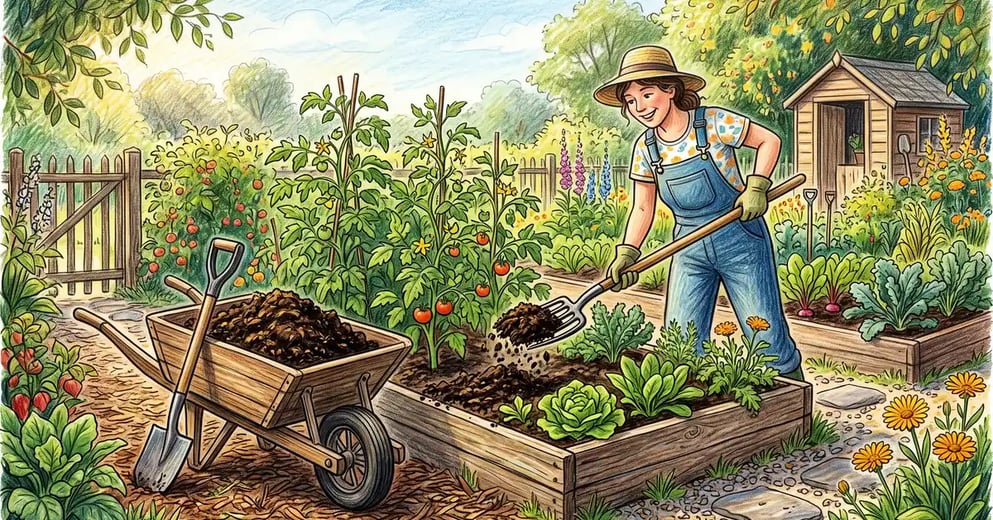
Once your compost is finished, using it is easy. Iowa State Extension recommends spreading it and working it into the top 6 to 8 inches of soil, or using it as a mulch around established plants. Heavy feeders such as corn, squash, and leafy greens respond especially well.
If you are using manure that is not fully composted, follow the food-safety intervals. The USDA National Organic Program standard, echoed by Penn State Extension, is to apply raw manure at least 120 days before harvest for crops whose edible parts touch the soil (root crops, lettuce, low greens) and at least 90 days before harvest for crops held off the ground (trellised tomatoes, sweet corn). Fully finished hot compost is much lower risk, but these intervals are the safe default for anything not thoroughly composted.
| Situation | What to Do |
| Finished hot compost | Work into top 6–8 in.; use freely on most crops |
| Raw manure, soil-contact crops | Apply 120+ days before harvest |
| Raw manure, off-ground crops | Apply 90+ days before harvest |
| Seedlings and containers | Use only well-finished compost, diluted |
Sources:
Test for Herbicide Residue First
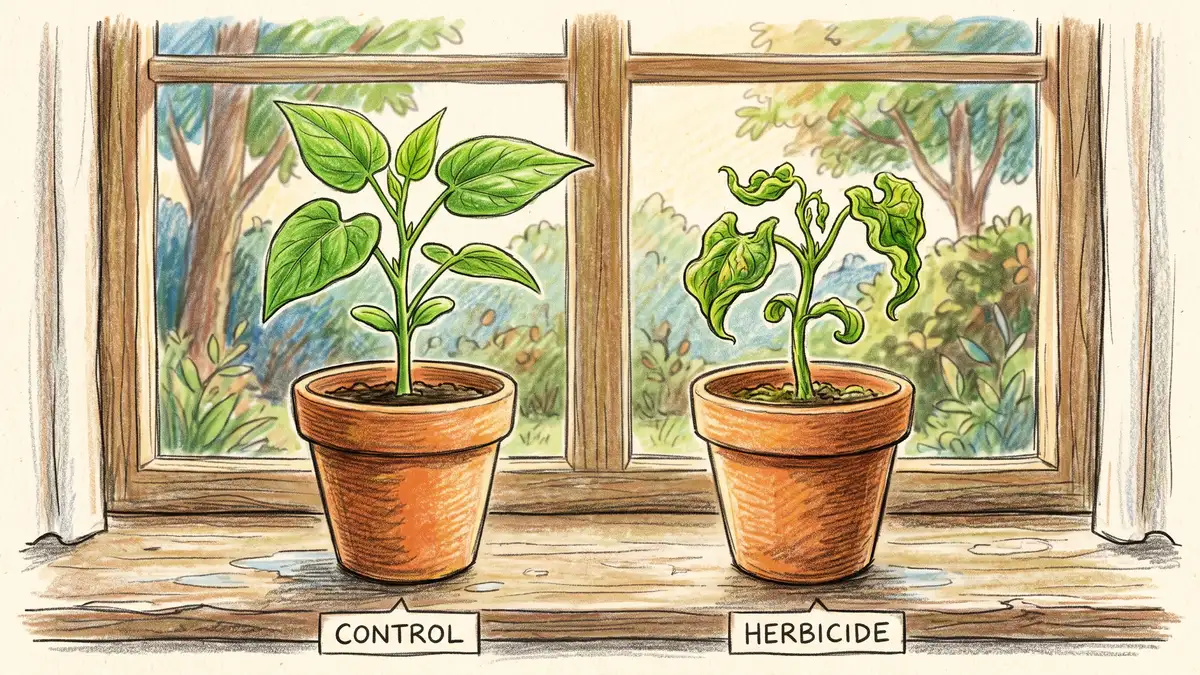
Persistent herbicides like aminopyralid, clopyralid, and picloram can pass through a horse from treated hay and survive composting, warns NC State Extension. Even tiny amounts twist and kill tomatoes, beans, and potatoes. If you do not know the hay's history, run a simple bioassay: plant a few pea or bean seeds in the compost and in clean soil, then compare. Cupped, distorted seedlings mean do not use it.
Horse manure compost is also excellent for perennials. A ring of finished compost around fruit trees and food-forest plants feeds them slowly without the burn risk of raw manure. For the full picture on building soil this way, see our complete composting guide and how to speed up a slow pile.
Frequently Asked Questions
Is horse manure good fertilizer?
Yes, once it is aged or composted. Horse manure is a gentle, balanced fertilizer at roughly 0.6-0.3-0.5 (N-P-K), lower in nitrogen than chicken manure, so it carries less burn risk. Its biggest contribution is organic matter that improves soil structure and feeds soil life. Fresh horse manure is not a good fertilizer to apply directly because its high carbon bedding can tie up nitrogen and it brings weed seeds and pathogens. Compost it hot or age it for several months, and it becomes one of the best free amendments a gardener can find.
How long does it take to compost horse manure?
It depends on method. A well-managed hot pile held around 140°F with weekly turning can finish in a few weeks to a couple of months. Cold aging, where you simply stack it and wait, takes about six months to one or two years. You will know it is done when it is dark, crumbly, and smells earthy rather than of ammonia. Hot composting is worth the extra effort with horse manure because only sustained heat reliably kills the weed seeds and pathogens that cold aging leaves behind.
What plants don't like horse manure?
Avoid using fresh or heavy horse manure on seedlings and young transplants, which are sensitive to ammonia and salts, and go easy around acid-loving plants like blueberries. Root crops can also produce forked or hairy roots in soil that is too rich with fresh nitrogen. The bigger danger is not a plant preference at all: if the manure carries persistent herbicide residue, tomatoes, beans, peas, and potatoes are extremely sensitive and can be killed outright. Always test unknown manure with a bioassay before planting these crops.
Is horse manure safe to use on vegetables?
It is safe when handled correctly. Fully finished hot compost has been heated enough to kill most pathogens and is low risk. If your manure is only aged, not thoroughly composted, follow the food-safety intervals: apply at least 120 days before harvest for crops that touch the soil and 90 days for crops held above it. Always wash produce well. These simple steps, drawn from USDA and extension guidance, let you use horse manure on food crops with confidence.
Is horse manure good for fruit trees?
Yes. Well-composted horse manure is excellent for fruit trees and other perennials. Spread a ring of finished compost over the root zone as a slow-release feed and mulch, keeping it a few inches away from the trunk. Because perennials are not harvested at ground level and the compost is finished, the food-safety intervals that apply to vegetables are far less of a concern. Just confirm the manure is herbicide-free first, since persistent residues can harm sensitive plants even in a perennial planting.
Get the Weekly Dig
One practical permaculture guide a week, written for gardeners who do this on weekends: composting that actually finishes and soil that feeds itself. Free, no spam, unsubscribe any time.
Join the Weekly DigResources
- UMass Extension — Plant Nutrients from Manure
- Rutgers Cooperative Extension — Horses and Manure
- Penn State Extension — Wise Use of Manure in Home Vegetable Gardens
- USDA National Organic Program — Processed Animal Manures (90/120-day rule)
- eOrganic — Composting to Reduce Weed Seeds and Plant Pathogens
- Colorado State University Extension — Manure Management for Small Acreages
- University of Georgia Extension — How to Safely Use Manure in Your Garden
- Iowa State Extension — Using Manure in the Home Garden
- NC State Extension — Herbicide Carryover in Hay, Manure, and Compost
- NC State Extension — Conducting a Bioassay for Herbicide Residues