
Is Double Digging Worth the Effort?
You have read that double digging builds the perfect vegetable bed, and you have also read that digging wrecks your soil. Both can be true. Double digging means loosening the soil to two spade depths, about 24 inches (60 cm), instead of the usual 6 inches, and working compost in as you go. It is a real technique with a real history, but it is also hard labor that can do more harm than good in the wrong situation.
The honest answer is that double digging is a specialized tool, not a yearly ritual. In severely compacted ground or a brand-new bed over heavy clay, one careful dig can open up a root zone your plants could not otherwise reach. In an established, healthy bed, the same dig can set your soil back by tearing apart the structure and fungal networks that took seasons to build. This guide walks through exactly when it helps, when it hurts, and what to do instead most of the time.
What you'll learn in this guide:
- What double digging actually is and how it differs from tilling and single digging
- The situations where a one-time double dig genuinely pays off
- When digging deep hurts your soil and wastes a weekend of hard work
- Gentler alternatives that build the same deep, open soil with far less effort
Key Takeaway
Double digging is worth it as a one-time fix for severe compaction, hardpan, poor drainage, or a new bed on heavy clay. It is not worth it on established, healthy soil, where a 13-year trial found undug beds actually out-yielded dug beds by about 6%. Dig once to solve a real problem, then switch to building soil from the top.
What Is Double Digging and Where Did It Come From?
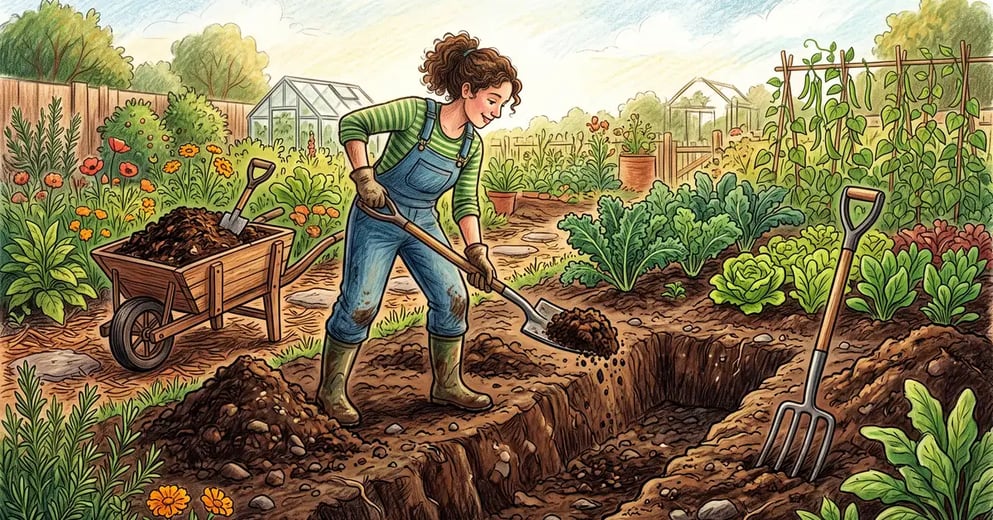
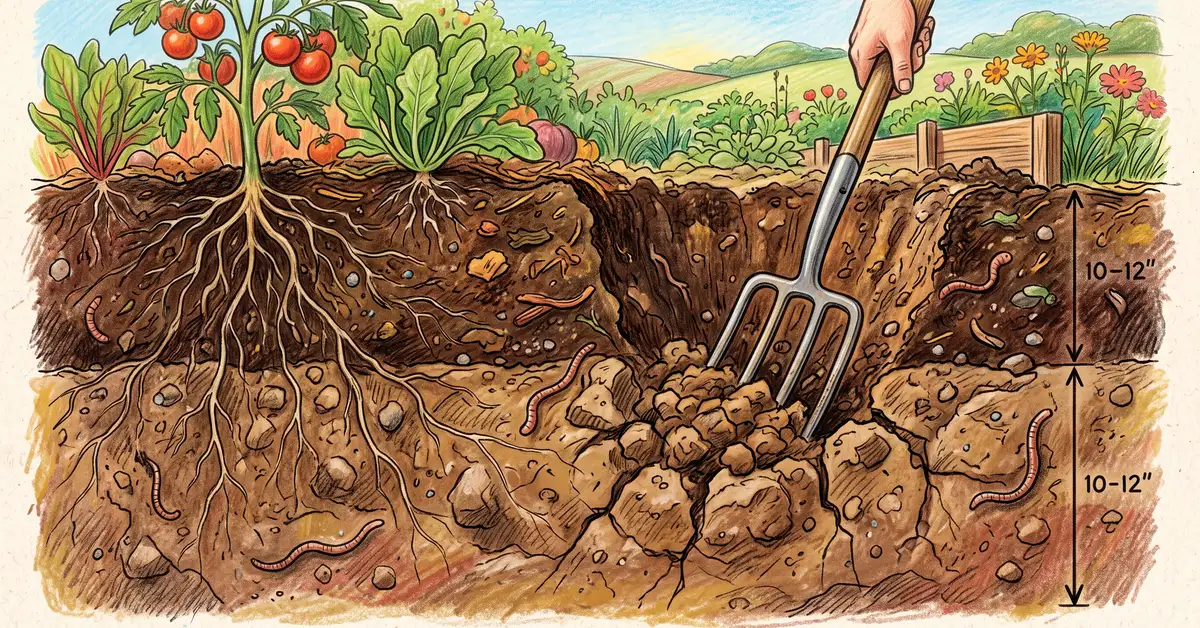
Double digging loosens two layers of soil. You remove the top spade's depth of soil from a trench, loosen the subsoil below it with a fork another spade's depth without lifting it out, then move on to the next trench. Compared with ordinary digging, which only turns the top 6 inches or so, double digging aerates down to about 24 inches (60 cm). The technique grew out of French intensive and biodynamic gardening and was carried into English-speaking gardens by Alan Chadwick and later John Jeavons, whose GROW BIOINTENSIVE method made it the hallmark of deep bed preparation (Alan Chadwick Archive).
The goal is a deep, open root zone that lets plants grow closer together and root further down for water and nutrients. Done right, it is combined with generous compost worked into the loosened top layer and shaped into a raised bed you never step on again. That last point matters: the whole benefit disappears the moment you compact the soil back down by walking on it, which is why Oregon State University Extension recommends beds about 48 inches (1.2 m) wide with permanent paths so you can reach the middle without treading on the bed.
Clear and mark out the bed
Remove weeds and large roots first so you are not burying live perennial weeds. Mark the bed into strips about one spade wide (roughly 12 inches / 30 cm) and lay a board down to stand on so you never compact the soil you are loosening.
Dig the first trench and set the soil aside
Lift the top 10 to 12 inches (25 to 30 cm) of soil out of the first trench into a bucket or onto a tarp. You will use it to fill the very last trench at the end.
Loosen the subsoil with a fork
Push a digging fork straight into the bottom of the open trench and rock it to loosen the lower 10 to 12 inches without turning it over. This is the "second dig" that gives the method its name.
Work backwards, trench by trench
Dig the top layer of the next trench and drop it into the first, then fork its subsoil. Repeat down the bed. Fill the final trench with the soil you set aside in step 2.
Add compost and shape the bed
Spread 2 to 3 inches (5 to 7.5 cm) of compost over the surface and rake it into the loose top layer. Shape a gently raised bed, then keep all foot traffic in the paths from now on.
When Double Digging Genuinely Helps
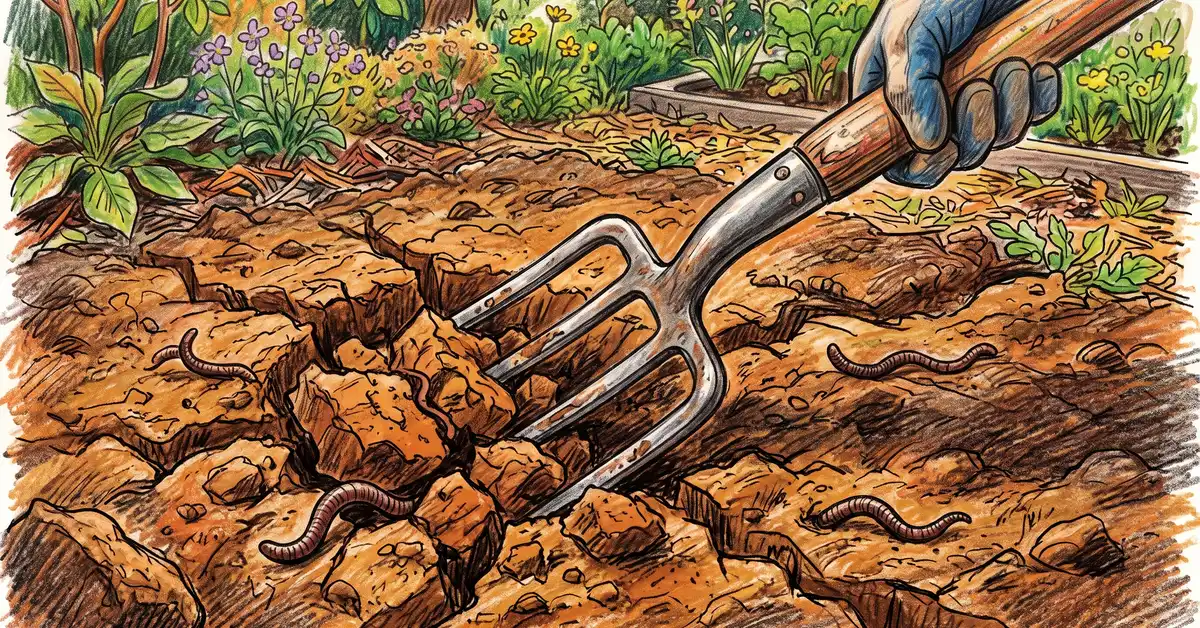
There are real cases where deep loosening earns its keep, and the common thread is a physical barrier that roots and water cannot get through. The Royal Horticultural Society is clear that double digging can be useful to relieve compaction, solve drainage problems, and incorporate organic matter, and that it suits new borders, shallow topsoil, and deep-rooted crops like asparagus and rhubarb.
Break severe compaction or hardpan. If you have a dense layer a foot down that keeps roots shallow and traps water above it, loosening it once can open a whole new root zone. On heavy clay in particular, gardeners often find double digging changes the structure faster than gentler methods because you can physically break the layer and work organic matter down into it.
Convert lawn or new ground into beds. Starting a vegetable bed on old, packed pasture or builder's subsoil is the classic case for one deep cultivation combined with heavy compost. You are overcoming a starting handicap, not maintaining a bed.
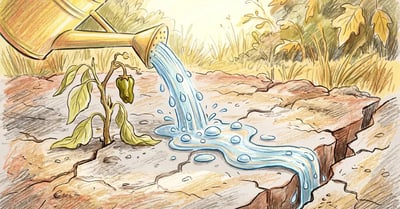
Fix drainage in heavy clay. Where water pools and sits, opening the profile can get oxygen and drainage down where roots need it. Even here, though, a less disruptive tool often does the same job, as we will see below.
Why This Works: Working With Soil Structure, Not Against It
Healthy soil is not just loose dirt, it is a living structure of aggregates, worm channels, and fungal threads that hold air and water in balance. Deep digging can rebuild that structure where it has been crushed, but it destroys it where it already exists. In permaculture terms this is the principle of minimum intervention: apply the big disturbance only where nature genuinely needs a reset, then step back and let the soil food web take over the maintenance.
When Double Digging Hurts (or Just Wastes a Weekend)
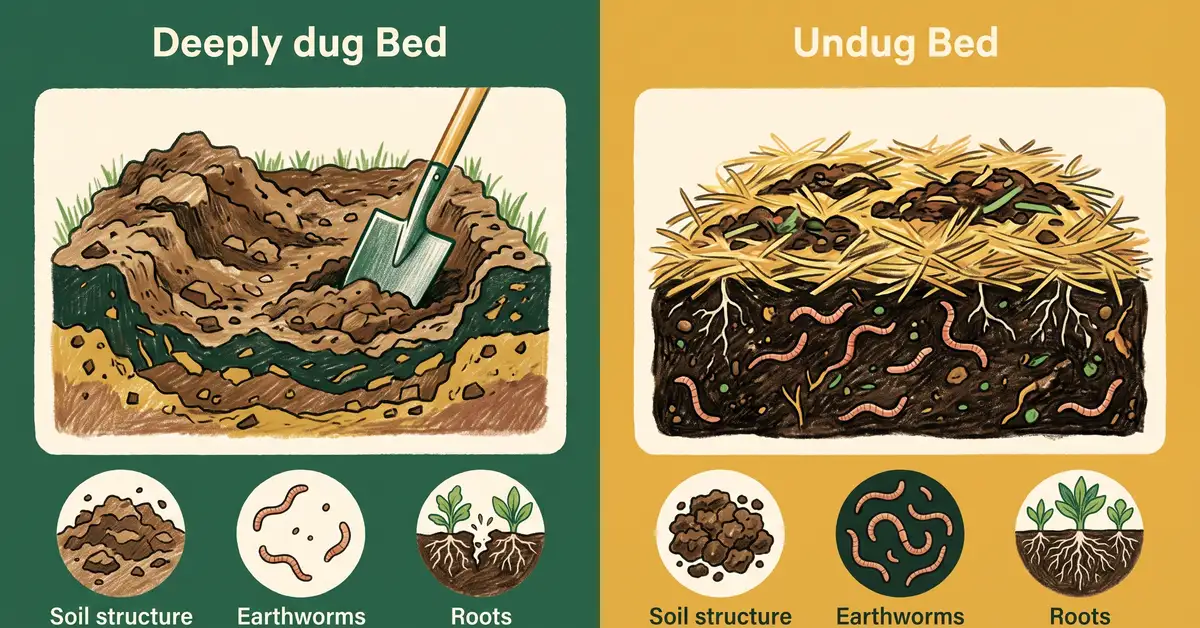
On soil that is already alive and friable, digging deep does more damage than good. Physical disturbance speeds up the breakdown of organic matter and, in the words of the USDA Natural Resources Conservation Service, destroys fungal hyphae and the soil aggregates that give good soil its crumb and its ability to soak up rain. Do it repeatedly and you are stuck on a treadmill, breaking down the very structure your plants depend on.
The clearest evidence comes from Charles Dowding's side-by-side dig versus no-dig trial, running since 2013 with identical compost on both beds. Over 13 years the no-dig bed has averaged about 6% more harvest by weight than the dug bed, with fewer slug and mildew problems. When he loosened one strip with a broadfork, even that gentler disturbance yielded about 5% less than leaving the soil alone. broadforks that replace the spade On established beds, more digging simply did not mean more food.
The Mistake: Double Digging Every Year
Double digging was always meant as an occasional reset, not an annual chore. Digging deep every season repeatedly shatters soil structure, burns through organic matter, and brings a fresh batch of buried weed seeds to the surface to germinate. If you have already double dug a bed once, the best follow-up is to never dig it again and feed it from the top instead.
| Factor | Double Digging | No-Dig / Feed From Top |
| Best for | Compacted or brand-new ground | Established, living beds |
| Yield (13-yr trial) | Baseline | About 6% higher |
| Effect on soil life | Disrupts fungi and worms | Preserves structure and biology |
| Weed seeds | Brought to surface | Left buried and dormant |
| Labor | Very high | Low, ongoing |
Sources:
Better Alternatives for Most Gardens
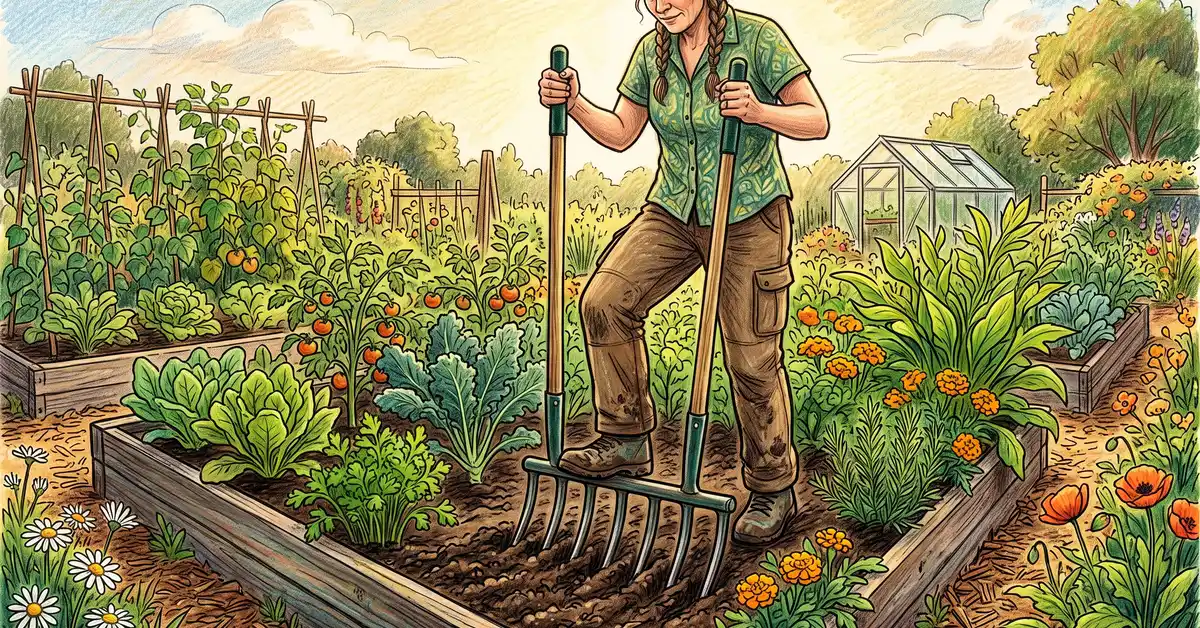
If your goal is deep, open, well-drained soil without the backache or the damage, you usually have gentler ways to get there. Most of these fit naturally into a no-dig approach and the broader craft of soil and composting, and the wider question of disturbance is covered in our guide to no-till versus tilling.
Broadforking. A broadfork lets you lever open the ground to a similar depth without turning it over, so you relieve compaction while leaving the soil layers and their life intact. One Master Gardener reported that after broadforking heavy clay rows, water no longer pooled and crops were noticeably larger and healthier.
Deep mulch and compost on top. Laying compost, sheet mulch, or wood chips on the surface lets worms and roots pull organic matter down and build structure for you. It is the core idea behind Ruth Stout's permanent mulch method and modern no-dig gardening alike.
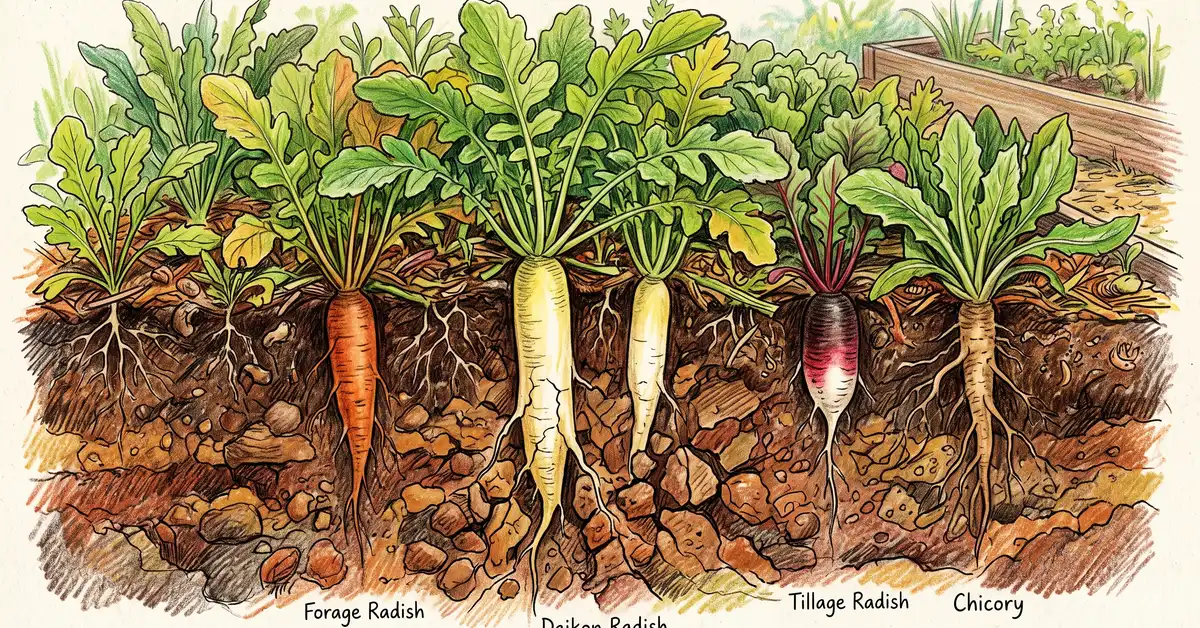
Deep-rooted cover crops. Plants like daikon radish (sometimes called "tillage radish") send taproots deep into packed soil, then rot in place to leave open channels. Combined with other cover crops or a chop-and-drop routine, they loosen soil biologically instead of mechanically.
Fix the cause of compaction. Building permanent beds you never walk on, and improving heavy clay with organic matter, stops compaction returning so you rarely need to dig again. For persistent hard layers, our guide to soil compaction covers the full toolkit.
Need the gear for this?
Which broadfork holds up in clay, which one suits a small bed, and what to skip.
See the broadfork picksKey Takeaway
For most established gardens, a broadfork, deep mulch, and deep-rooted cover crops give you the same open, healthy soil as double digging with a fraction of the effort and none of the structural damage. Save the spade for the one job it does best: resetting genuinely compacted or brand-new ground.
Frequently Asked Questions
Is double digging worth it?
It depends entirely on your soil. On severely compacted ground, hardpan, poor-draining heavy clay, or a brand-new bed over packed subsoil, a one-time double dig is often worth the effort because it opens a root zone plants cannot otherwise reach. On established, healthy, friable soil it is usually not worth it. A 13-year trial found undug beds actually out-yielded dug beds by about 6% with far less labor. Think of double digging as a repair job for problem soil, not a routine you owe your garden every year.
Do you have to double dig every year?
No, and you should not. Double digging was designed as an occasional reset, not an annual task. Digging deep every season repeatedly breaks down soil structure, speeds the loss of organic matter, and lifts dormant weed seeds to the surface where they sprout. Once you have double dug a bed to fix compaction, the best thing you can do is stop digging it and maintain it from the top with compost and mulch. Let worms and roots do the ongoing work of keeping it open and fed.
What is the difference between double digging and no-dig gardening?
Double digging loosens the soil to about two spade depths and mixes compost in, all through hard physical work. No-dig gardening does the opposite: you leave the soil undisturbed and simply add compost and mulch on the surface, letting soil life pull it down and build structure over time. Double digging can rescue badly compacted ground quickly, while no-dig protects and slowly improves soil that is already reasonably healthy. Many gardeners double dig once to establish a difficult bed, then manage it no-dig from then on.
Does digging damage soil?
It can. Deep or repeated digging accelerates the breakdown of organic matter and, according to USDA soil scientists, destroys fungal threads and the aggregates that give soil its crumb structure and its ability to absorb water. It also chops earthworms and brings buried weed seeds up to germinate. That does not make a single, targeted dig on compacted soil a bad idea, but it does mean digging should be the exception, not the habit. The less you disturb living, well-structured soil, the better it tends to perform.
How deep should you double dig, and how long does it take?
Double digging loosens soil to roughly 24 inches (60 cm), which is the top spade's depth removed plus another spade's depth forked below it. It is genuinely hard work: expect to spend a good part of a day on a single bed, and pace yourself to avoid strain by using body weight rather than your back. Because it is so labor intensive, it makes sense to reserve double digging for the beds that truly need it and to reach for a broadfork or surface mulch everywhere else.
Get the Weekly Dig
One practical permaculture guide a week, written for gardeners who do this on weekends: permaculture design for real backyards. Free, no spam, unsubscribe any time.
Join the Weekly DigResources
- Royal Horticultural Society - Soil Cultivation Tips
- USDA NRCS - Soil Quality Indicators (aggregate stability)
- USDA NRCS - Reduced Tillage to Increase Soil Health
- Charles Dowding - Dig / No-Dig Trial (2013 to present)
- Oregon State University Extension - Raised Bed Gardening
- Texas Master Gardeners - The Broadfork for Clay Soil
- EasyDigging - Double Digging: Method and History
- Soil Science Society of America Journal - No-Till Impacts on Soil Organic Carbon