
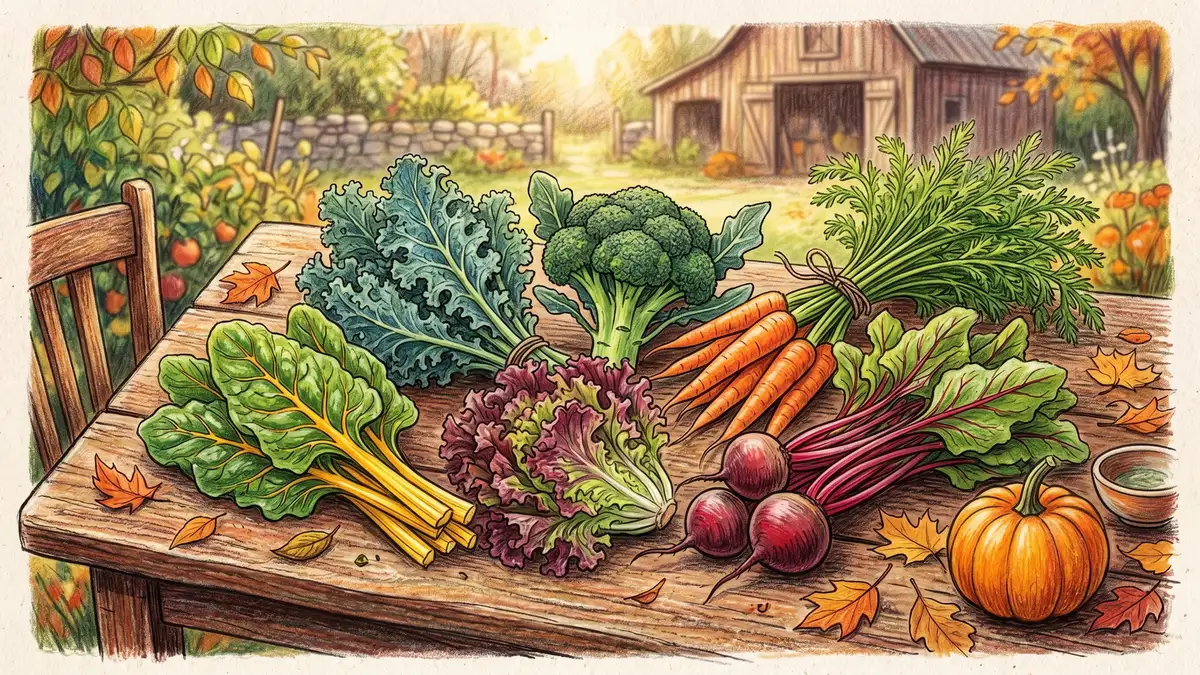
You missed the spring planting window, the summer crops are winding down, and you are wondering whether the garden has anything left to give this year. The honest answer is yes, often more than you think. A fall vegetable garden planted correctly can deliver kale, broccoli, lettuce, carrots, beets, and more from late September through Thanksgiving, sometimes well into December if you cover them. The key is timing, and the timing is mathematical, not mystical. garlic planting time in your zone
This guide walks you through the four-step planning sequence that turns a tired August garden into a productive fall harvest: find your first frost date, count backwards to your planting date, pick crops that actually fit the window, and pair them with the right companions to keep brassica pests in check. Every recommendation here is tied to a university extension service or peer-reviewed source. No folklore, no mystery, just the math and the science your weekend garden actually needs.
Key Takeaway
Fall garden success comes down to counting backwards from your first frost date, adding 14 days for the autumn growth slowdown, and choosing crops that fit the remaining window. A Zone 5 gardener with an October 5th frost has roughly 50 days from mid-August planting to harvest. A Zone 8 gardener with a November 12th frost has nearly three months. Same garden, very different crop list.
Step 1: Find Your First Frost Date and Count Backwards
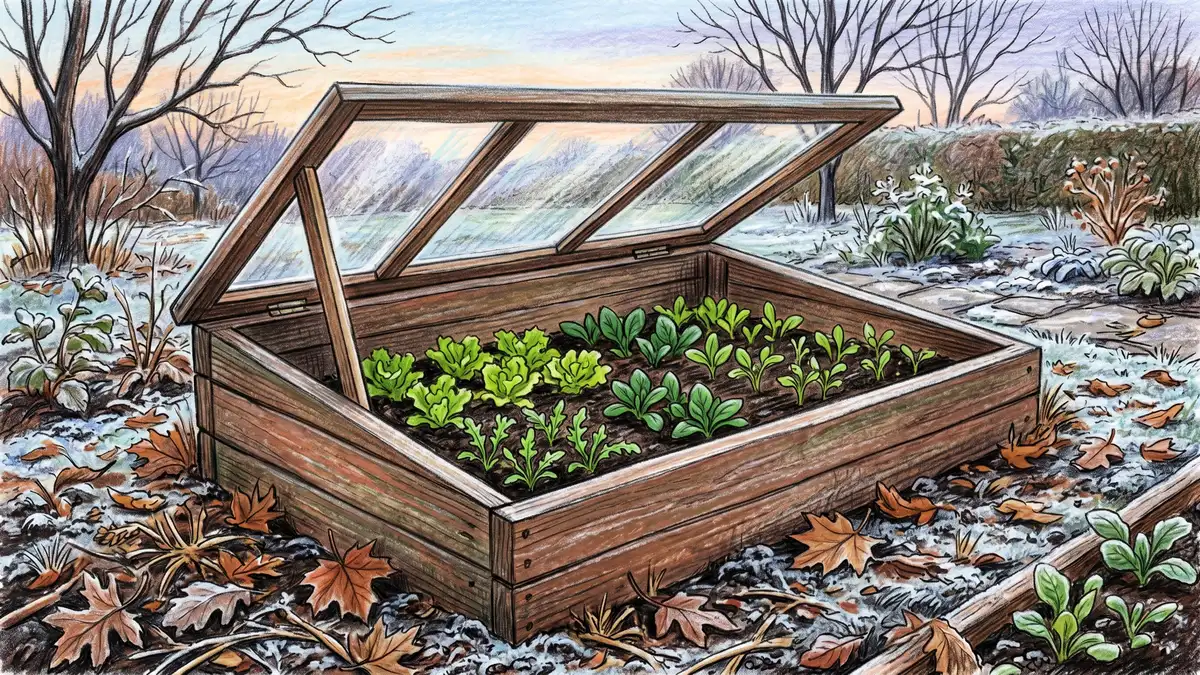
The foundation of every fall garden is the date your area typically gets its first hard freeze. The National Weather Service defines a frost as 31 to 33°F (which damages tender warm-season foliage) and a hard freeze as below 26 to 31°F (which destroys plant tissue through ice crystal formation inside cells). Cool-season crops can shrug off frosts; almost nothing survives a hard freeze without protection.
Look up your local first-freeze date at the National Weather Service forecast office for your region rather than relying on generic zone averages. The dates below are medians from NWS observation data, meaning roughly half of all years experience frost before the listed date, so build in conservative buffer.
| USDA Zone | Representative City | Median First Freeze | Days From Aug 15 Planting |
| Zone 5 | Minneapolis, MN | Oct 1-10 | ~50 days |
| Zone 6 | Kansas City, MO | Oct 15-20 | ~65 days |
| Zone 7 | Washington, DC | Oct 25 - Nov 1 | ~75 days |
| Zone 8 | Atlanta, GA | Nov 1-15 | ~90 days |
Sources:
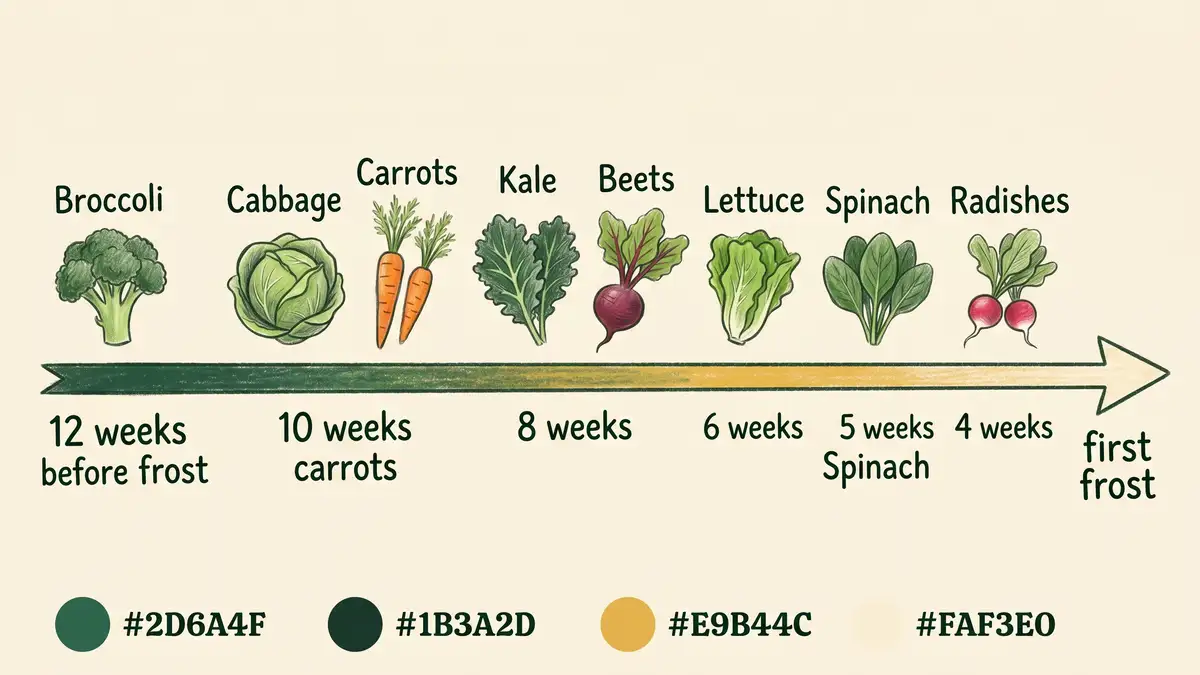
The Garden Professors formula for fall planting dates is straightforward: plant on (first frost date) minus (days to maturity + 14 days slowdown + 14 days harvest window). The 14-day fall slowdown matters because plants grow more slowly in cooling soil and shortening daylight than your seed packet assumes. A 37-day bok choy in Zone 5 actually needs 65 days of buffer counted back from October 10th, which means planting by August 6th, not late August.
Step 2: Pick Crops That Actually Fit the Window
Cool-season vegetables fall into three speed classes. Lettuce, spinach, and radishes mature in 25 to 50 days and tolerate light frost. Brassicas like broccoli, cabbage, and kale need 55 to 90 days and prefer transplants over direct seeds. Root crops sit in the middle at 50 to 100 days. The chart below pulls germination thresholds from Cornell's home gardening guides and maturity ranges from University of Maryland Extension.
| Crop | Min Soil Temp | Days to Maturity | Frost Tolerance | Plant Method |
| Radish | 40°F (4°C) | 25-40 | Light frost | Direct seed |
| Lettuce | 35°F (2°C) | 30-50 | Light frost | Direct or transplant |
| Spinach | 35°F (2°C) | 30-40 | Hard frost | Direct seed |
| Beets | 40°F (4°C) | 50-70 | Light frost | Direct seed |
| Carrots | 40°F (4°C) | 60-100 | Hard frost | Direct seed |
| Kale | 40°F (4°C) | 40-65 | Below 0°F (varieties) | Transplant |
| Broccoli | 40°F (4°C) | 55-65 | Hard frost | Transplant only |
| Cabbage | 40°F (4°C) | 60-120 | Hard frost | Transplant only |
Sources:
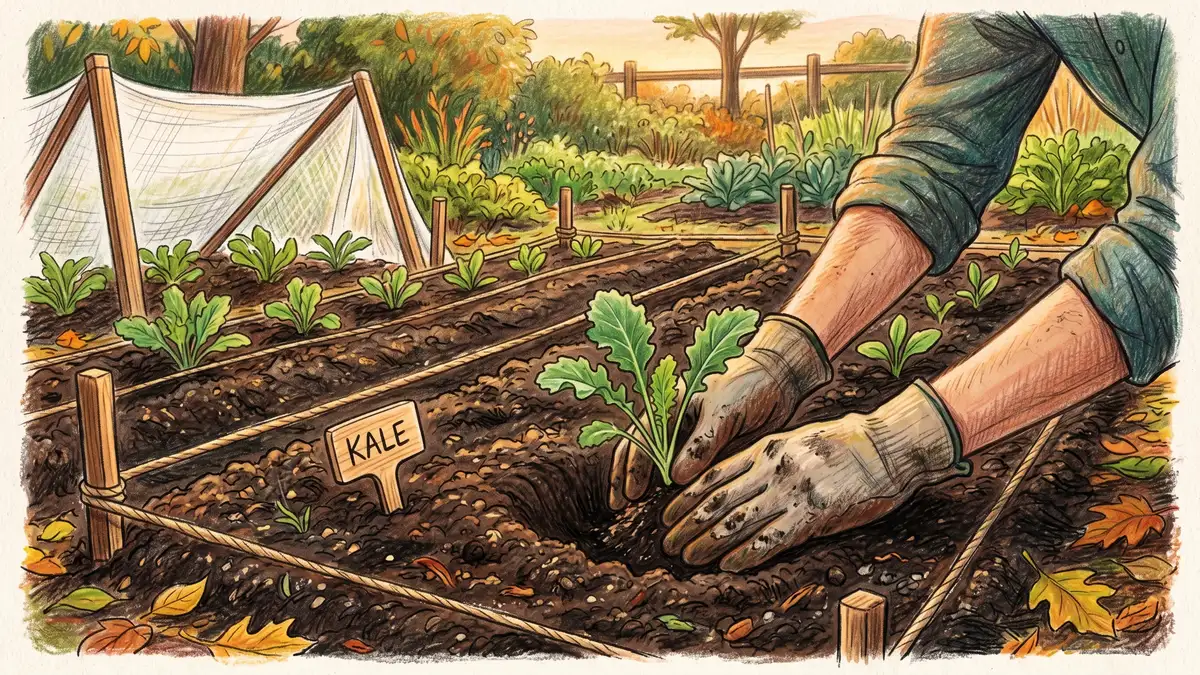
Brassicas need transplants, not direct-seeded plants, because the maturation window is too tight in most zones to seed-start in the bed. Start broccoli, cabbage, and kale indoors six to eight weeks before your target transplant date. For a Zone 5 gardener targeting an early-August transplant, that means starting seeds in mid-June. Penn State Extension recommends a 7 to 14 day hardening period (gradually increasing outdoor exposure) before transplanting to thicken cell walls and prepare seedlings for direct sun and wind.
If you are new to companion-aware planting, start with our complete companion planting chart for crop-by-crop pairings, then layer the seasonal logic on top.
Step 3: Pair Fall Crops With the Right Companions
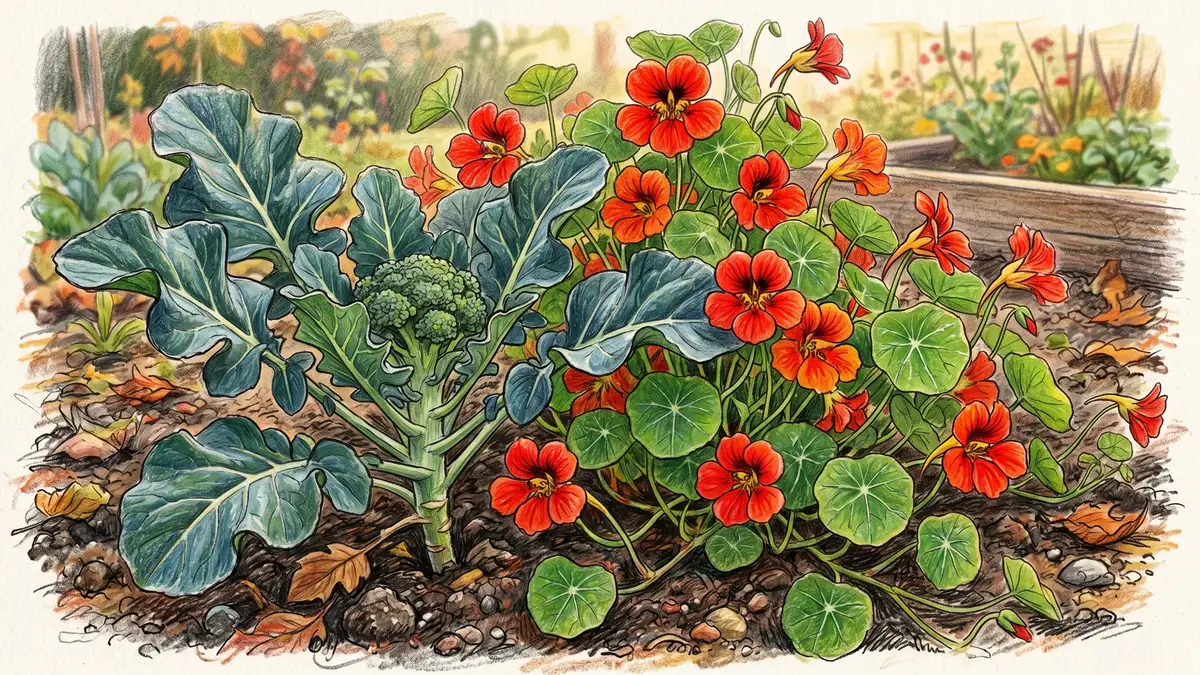
Fall brassicas attract three pests with persistent populations from earlier summer generations: imported cabbageworm (Pieris rapae), harlequin bugs, and aphids. Companion planting will not eliminate them, but the right pairings reduce damage by measurable amounts and reduce or remove your need to spray.
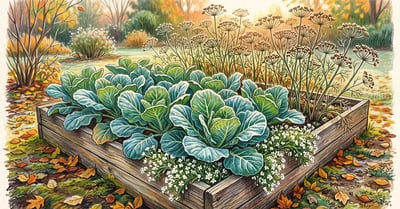
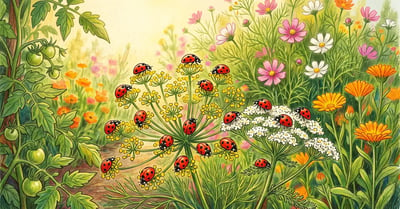
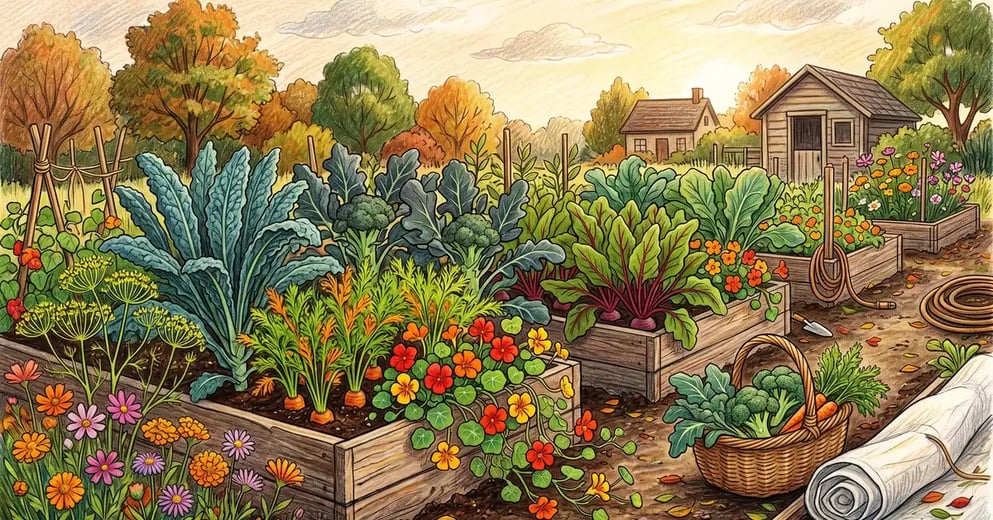
The two pairings with the strongest extension-service support are brassicas with dill and brassicas with nasturtiums. Dill attracts Cotesia glomerata, a tiny parasitic wasp that lays eggs in cabbageworm larvae; Cornell's IPM fact sheet reports parasitism rates rising from around 50 percent mid-season to 60 to 75 percent by late season when nectar and shelter plants like dill are present. Nasturtiums work differently: their leaves contain higher glucosinolates than most brassicas, so cabbage white butterflies preferentially lay eggs on the nasturtium foliage instead of your broccoli. The trap-crop effect documented in trial work cuts cabbage damage by 30 to 50 percent.
Why This Works: Stacking Functions
One of the core permaculture design principles is that every element should perform multiple functions. Dill earns its bed space by attracting beneficial wasps, providing fresh herb for the kitchen, and producing edible seed heads. Nasturtiums distract cabbage moths, contribute peppery edible flowers and leaves, and self-seed for next year. When a single plant solves three problems, your garden gets denser, more resilient, and easier to manage.
Useful additional fall pairings: kale with onions and garlic (sulphur compounds deter aphids), carrots with chives or scallions (mask carrot root fly scent), and lettuce with radishes (radishes mature first and free up the bed for lettuce expansion). The pairings to avoid in fall are crops in the same family planted next to each other: do not put broccoli next to cabbage next to kale, because pests move between them quickly. Spread brassicas around the garden with non-brassica buffers between them. For more on this, see our guide to companion planting mistakes and the dedicated piece on nasturtiums as trap crops.
Soil Prep That Pays Off in October
Fall beds need different prep than spring beds. By August your soil has been working hard for four months: organic matter has decomposed, residual fertility is depleted, and surface crust may be inhibiting water infiltration. The good news is that summer heat accelerates compost breakdown, so amendments you add now actually have time to integrate before fall crops need them.
Clear and inspect (15 minutes)
Pull spent summer crops including roots, and remove any diseased plant material. This is your one chance to spot perennial weed roots clearly before mulching back over the bed.
Loosen the top 8-10 inches
Use a broadfork or garden fork to break compaction without inverting layers. Heavy tilling pulverises soil structure and harms the fungal networks fall brassicas depend on.
Add 3-4 inches of finished compost
Mix into the loosened layer. If you do not have enough finished compost, shredded autumn leaves layered on top will decompose over fall and winter. See our composting for beginners guide for production options.
Side-dress brassicas one to two weeks before transplanting
Brassicas are nitrogen-hungry. University of Maryland Extension recommends pre-loading the bed with a balanced organic fertiliser or a top-dress of fish meal, alfalfa meal, or aged manure before transplants go in.
Mulch 2-3 inches deep
Mulch reduces summer evaporation, keeps soil cooler for cool-season crops establishing in August heat, and suppresses weed germination. Pull it back from seedling stems to discourage slugs.
Frost Protection: Buy Yourself Three to Four More Weeks
Once your first frost arrives, the difference between giving up and harvesting through Thanksgiving is one of three pieces of equipment. University of Maryland Extension publishes the protection ranges below; NC State Extension covers crop-by-crop hardiness pairings.
| Method | Protection | Light Through | Cost | Best For |
| Lightweight row cover (0.45 oz/yd²) | ~2°F | 90-95% | $15-25 / 50 ft | Season-long over greens |
| Medium row cover (0.5-1.0 oz/yd²) | 4-6°F | 70-85% | $20-40 / 50 ft | Most fall crops |
| Heavy row cover (1.5-2.2 oz/yd²) | up to 8°F | 30-50% | $30-60 / 50 ft | Hard freeze nights |
| Cold frame (DIY) | 8-15°F | variable | $100-300 | Greens through winter |
| Low tunnel (single layer plastic) | 4-6°F | ~80% | $50-150 / 50 ft | Mid-fall extension |
| Low tunnel (double layer) | 8-12°F | ~70% | $80-200 / 50 ft | Late fall through early winter |
Sources:
Medium-weight row covers are the highest-leverage purchase for most home gardeners. They cost the price of two takeout dinners, deploy in five minutes over hoops or simple stakes, and convert a 28°F forecast into a 32 to 34°F microclimate that your kale will not even register. Open them on warm sunny afternoons (over 75°F) so plants do not cook beneath them.
The Five Mistakes That Break Most Fall Gardens
Common Mistake to Avoid
Planting too late. Cool-season crops grow more slowly in autumn than seed packets suggest because daylight is shrinking and soil is cooling. Iowa State Extension consistently flags this as the number-one fall garden failure. If your seed packet says 55 days to broccoli harvest, the real number for an August planting in Zone 5 is closer to 70. Plan accordingly.
The other four mistakes show up in extension publications across regions:
Choosing crops that do not fit the window. Brussels sprouts (90 days) and rutabagas (100 days) cannot finish in Zone 5 unless transplanted in early July. Pick short-season cultivars when seed shopping; the words "early" or "fast" on a packet matter more than they sound.
Skipping soil prep. Spent summer beds are nutrient-poor. Brassicas in particular will stall and yellow without adequate nitrogen. Compost and organic fertiliser at planting are not optional.
Skipping the hardening-off period. Indoor-grown transplants planted directly into August sun will scorch and stall. Penn State Extension recommends 7 to 14 days of progressively longer outdoor exposure before transplanting.
Inconsistent watering during establishment. Late-summer transplants need daily watering for the first 10 days, then every two to three days as roots expand. Drying-and-soaking cycles trigger bolting in lettuce and spinach and drop quality even in tougher crops.
For seasonal sequencing across the year (not just fall), the monthly companion planting calendar and the spring companion planting guide together show how each season's crop choices set up the next.
What's Next After the Fall Harvest
Once your fall crops are out of the ground, two practical moves keep the bed working through winter. First, plant garlic in late October or early November (see our guide to fall garlic companion planting) for next July's harvest. Second, sow a cover crop on any empty bed: winter rye, crimson clover, or daikon radish all add organic matter and (in the legume's case) fix free nitrogen for next spring's heavy feeders. USDA NRCS documents tillage radish penetrating compacted soil and creating channels for water and root infiltration the following spring.
For pest-control approaches that carry from fall into next year, the related guide to plants that repel pests is a good follow-up read.
Frequently Asked Questions
What vegetables should I plant in fall?
The most reliable fall vegetables across USDA zones 5 through 8 are kale, broccoli, cabbage, lettuce, spinach, swiss chard, carrots, beets, radishes, and turnips. Lettuce, spinach, and radishes are fast (25 to 50 days) and forgiving for late starts. Brassicas (broccoli, cabbage, kale) need transplants started in early summer and offer the highest yield per square foot. Match crop choice to the days remaining before your local first frost.
When should I start a fall garden?
Bed preparation begins in late July to early August. Transplants for brassicas should be started indoors six to eight weeks before your planned transplant date, which for most gardeners means seed-starting in mid-June through July. Direct-seeded crops (lettuce, spinach, radishes, carrots) go in from late July through early September depending on zone and crop maturity. Use the formula: first frost date minus (days to maturity + 14 days slowdown + 14 days harvest window) to find your specific planting date.
Can I plant fall vegetables when it's still hot in August?
Yes, with care. Lettuce and spinach bolt above 75 to 80°F sustained, so transplant them under afternoon shade or wait until early August when temperatures begin moderating. Brassicas tolerate August heat during early vegetative growth but benefit from mulching to keep soil cool and from row covers if a heat wave is forecast. Water consistently because heat stress combined with drought stress is the fastest path to bolting.
Which fall vegetables grow well together?
Brassicas (broccoli, cabbage, kale) pair particularly well with dill, onions, and nasturtiums. Carrots benefit from chives or scallions for pest masking and pair well with lettuce in the same bed since lettuce shades soil while carrots root deep. Beets like onions and lettuce as neighbors. Avoid clustering same-family crops because pests move between them quickly. ATTRA's companion planting resources document the strongest evidence-based pairings.
How do I protect fall plants from frost?
Medium-weight row covers (0.5 to 1.0 oz/yd²) provide 4 to 6°F of protection at $20 to $40 per 50-foot length, enough to convert most light-frost forecasts into safe nights for kale, lettuce, and broccoli. Cold frames give 8 to 15°F of protection and can extend greens harvests through winter in Zones 5 and warmer. Mulching root crops with 4 to 6 inches of leaves or straw lets carrots and beets overwinter in-ground for harvest as needed.
What plants survive a hard freeze?
Properly established kale (especially Lacinato and Red Russian varieties) can survive temperatures below 0°F. Spinach, collards, and Swiss chard tolerate temperatures in the 0 to 10°F range with minimal protection. Garlic planted in late autumn overwinters under mulch and emerges in spring. Most other fall crops need protection or harvest before sustained hard freezes arrive.
Should I use cover crops on empty fall beds?
Yes, especially if beds will be empty for more than four weeks. Crimson clover seeded in August or early September fixes 100 to 200 lb of plant-available nitrogen per acre and winter-kills below 10 to 15°F, leaving residue you can incorporate in spring. Winter rye produces 80 to 150 lb biomass per acre and suppresses winter weeds. Tillage radish penetrates compaction and traps nematodes. The combination of all three is the classic cover-crop trio.
Get the Weekly Dig
One practical permaculture guide a week, written for gardeners who do this on weekends: companion pairings that hold up under scrutiny, and the ones that do not. Free, no spam, unsubscribe any time.
Join the Weekly DigResources
- National Weather Service: Frost and Freeze Definitions and Local Dates
- USDA Plant Hardiness Zone Map
- Cornell Home Gardening: Vegetable Growing Guides
- University of Maryland Extension: Vegetable Planting Calendar
- Iowa State Extension: Fall Planting of Vegetables
- UC Cooperative Extension: Fall Vegetable Gardening (PDF)
- Illinois Extension: Succession Planting Chart (PDF)
- University of Maryland Extension: Row Covers Guide
- NC State Extension: Frost and Freeze Protection for Vegetables
- Penn State Extension: Hardening Transplants
- Cornell IPM: Imported Cabbageworm Parasitoid
- Penn State Extension: Herbs as Plant Partners
- ATTRA: Companion Planting and Botanical Pesticides
- Garden Professors: Counting Days to Maturity for Fall Planting
- USDA NRCS: Radish as Cover Crop (PDF)
- University of Maryland Extension: Growing Broccoli