
Why Is Chicken Manure Called "Hot"?
If you keep backyard chickens, you are sitting on some of the most powerful fertilizer money cannot buy. But there is a catch, and it is the reason every extension office repeats the same warning: never put fresh chicken manure straight on your plants.
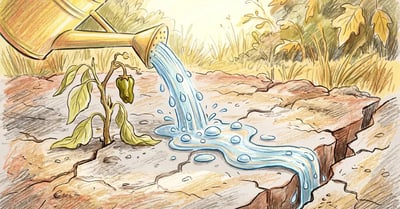
Chicken manure is "hot" because it is loaded with fast-releasing nitrogen and ammonia. A University of Hawaii analysis measured fresh chicken manure at about 6.7% nitrogen on a dry basis, with roughly 60% of that nitrogen available within the first six weeks. Dump that around a seedling and the ammonia and soluble salts pull water back out of the roots, burning the plant even in moist soil. A study by Ravindran and colleagues found chicken manures had salt levels up to 12.3 dS/m and were phytotoxic in 62% of samples before composting.
There is also a food-safety angle: fresh droppings can carry E. coli and Salmonella. The good news is that composting fixes all of it. Our soil and composting guide covers the basics; this is the chicken-specific playbook.
Key Takeaway
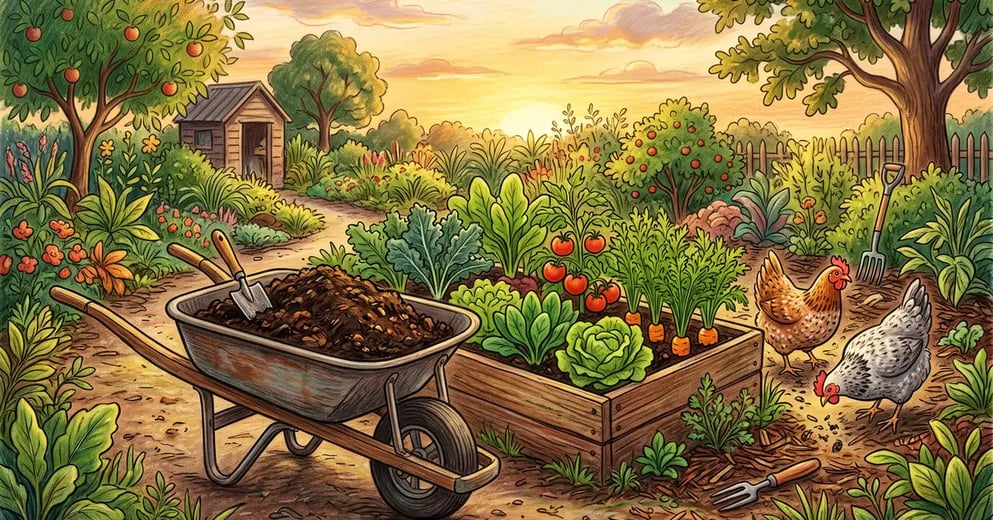
Fresh chicken manure burns plants and can carry pathogens. Composted chicken manure is "black gold", a nutrient-dense, slow-release fertilizer and soil conditioner. The whole job is turning one into the other with heat, carbon, and a little patience.
Chicken vs Cow vs Horse: The Most Powerful Manure
Not all manure is equal. Pound for pound, chicken manure carries two to three times the nitrogen and three to five times the phosphorus of typical farm manures. University of Nevada Extension notes it is also higher in potassium and calcium and rich in organic matter than cow or horse manure.
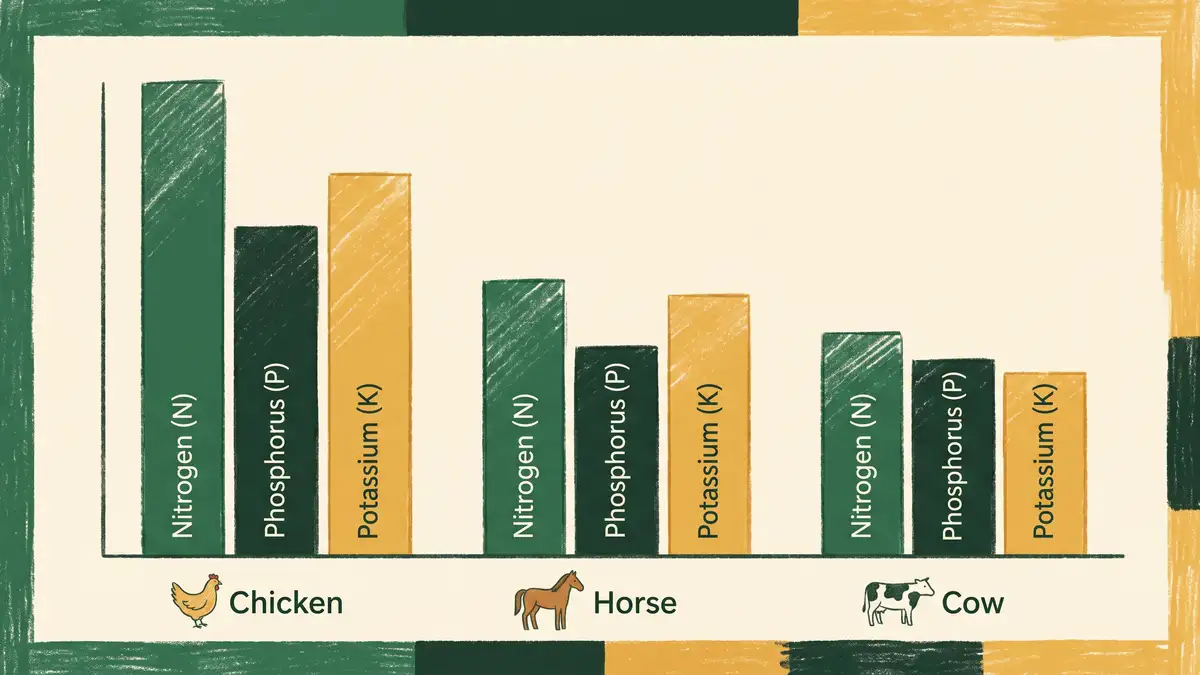
| Manure (dry basis) | Nitrogen | Phosphorus | Notes |
| Chicken | ~6.7% | ~4.5% | Most concentrated, use less |
| Cow / dairy | ~2-3% | ~2-3% | Bulkier, gentler |
| Horse | ~1-2% | ~1-2% | Lots of bedding, low nitrogen |
Sources: University of Hawaii (1980), University of Nevada Extension. Values vary by feed and bedding.
The takeaway for your garden: a spadeful of composted chicken manure does the work of several spadefuls of horse manure, so you apply less. If you want to compare, our guide to using horse manure shows how the gentler option is handled.
How to Hot-Compost Chicken Manure
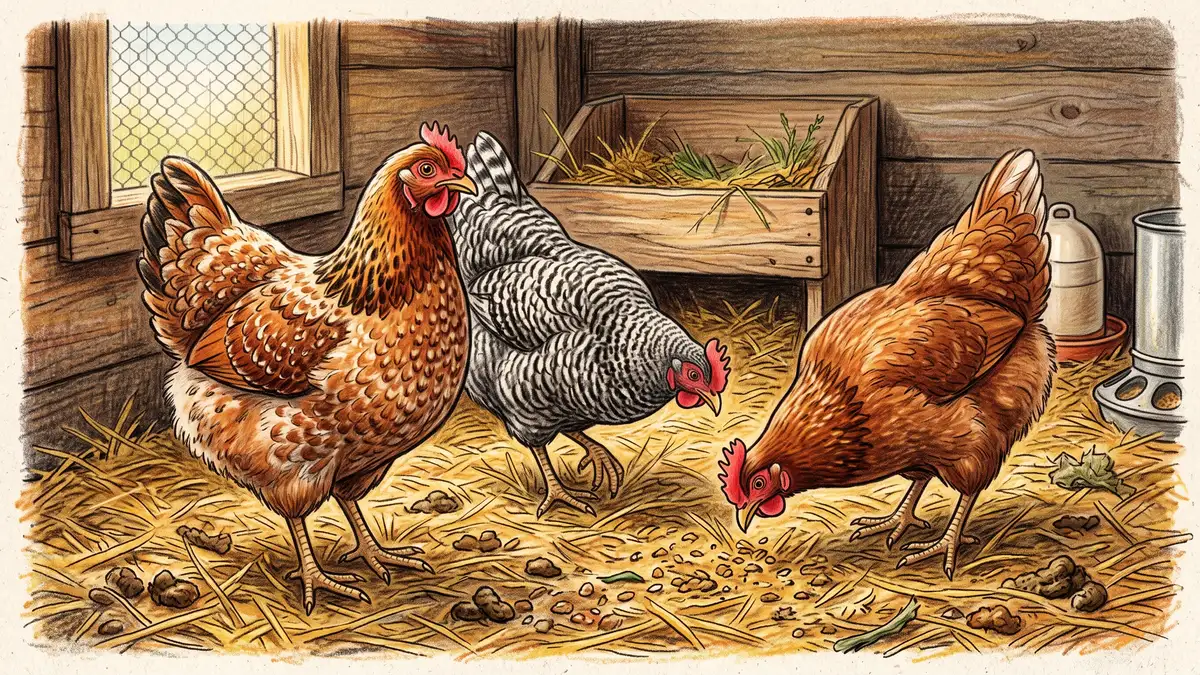
The key to taming hot manure is carbon. Chicken droppings are so nitrogen-rich that on their own they turn into a wet, stinky, ammonia-leaking mess. Mixing in plenty of "brown" material, straw, wood shavings, dry leaves, brings the pile to a workable carbon-to-nitrogen ratio near 25 to 30:1.
Because manure is so strong, Tilth Alliance suggests flipping the usual compost rule: instead of two parts green to one part brown, use a 1:1 or even 2:1 mix of browns to greens. Your nose is the gauge, an ammonia smell means add more carbon; done right, the pile smells earthy. University of Georgia Extension frames it as roughly 70 to 75% carbon and 25 to 30% nitrogen materials.
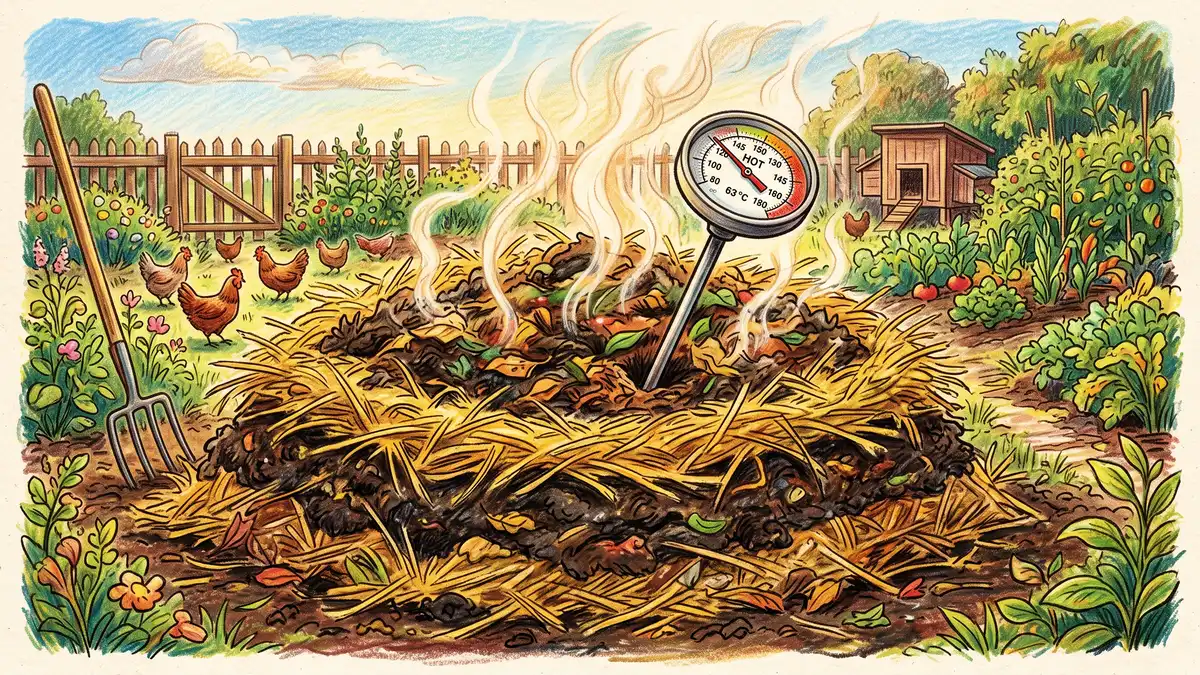
Mix Manure With Plenty of Carbon
Combine coop cleanings (manure plus bedding) with extra straw, leaves, or shavings until it looks fluffy, not slimy. Aim for that 1:1 to 2:1 browns-to-greens feel.
Get the Moisture Right
Dampen it as you build. It should feel like a wrung-out sponge, moist but not dripping. Too dry and it will not heat; too wet and it goes anaerobic.
Heat It to 130-150°F
A pile with enough mass and nitrogen heats fast. UGA Extension says to aim for an internal temperature of 130 to 150°F, checked with a compost thermometer.
Turn to Keep It Cooking
Turn the pile to add air and even out the heat. Sustaining 131°F for at least three days is what makes it safe.
Let It Cure
After the hot phase, let the pile mature for several more weeks until it is dark, crumbly, and smells like earth. Hot composting typically takes about 6 to 10 weeks start to finish.
Why This Works: Thermophilic Heat
That heat is not a side effect, it is the whole point. Heat-loving microbes swarm a nitrogen-rich, well-aerated pile and drive temperatures up, and those same temperatures cook off pathogens and stabilize the volatile nitrogen into gentle, slow-release form. You are running a tiny, self-heating pasteurizer in your backyard.
Need the gear for this?
Bins and tumblers picked by yard size, with the honest trade-offs for each.
See the compost bin picksIs It Safe? Temperature, Time, and the 90/120-Day Rule
Safety comes down to heat and time. Guidance aligned with the USDA food-safety rules says a properly managed pile should hold 131°F or higher for at least three consecutive days to destroy most pathogens. Validated turned-composting systems call for 131°F over 15 days with at least five turnings.
If you use manure that is only aged, not fully hot-composted, respect the organic-standard waiting periods. Apply raw manure at least 120 days before harvest for crops whose edible parts touch the soil, and 90 days for crops that do not, like trellised tomatoes.
Never Put Fresh Manure on Salad or Root Crops
Washington State University's stewardship guidance is blunt: do not spread uncomposted manure in the vegetable garden. Fresh droppings on lettuce, spinach, carrots, radishes, or beets risk both burning the plants and contaminating the parts you eat. Compost first, then wash all raw vegetables well.
How to Use Finished Chicken Manure Compost
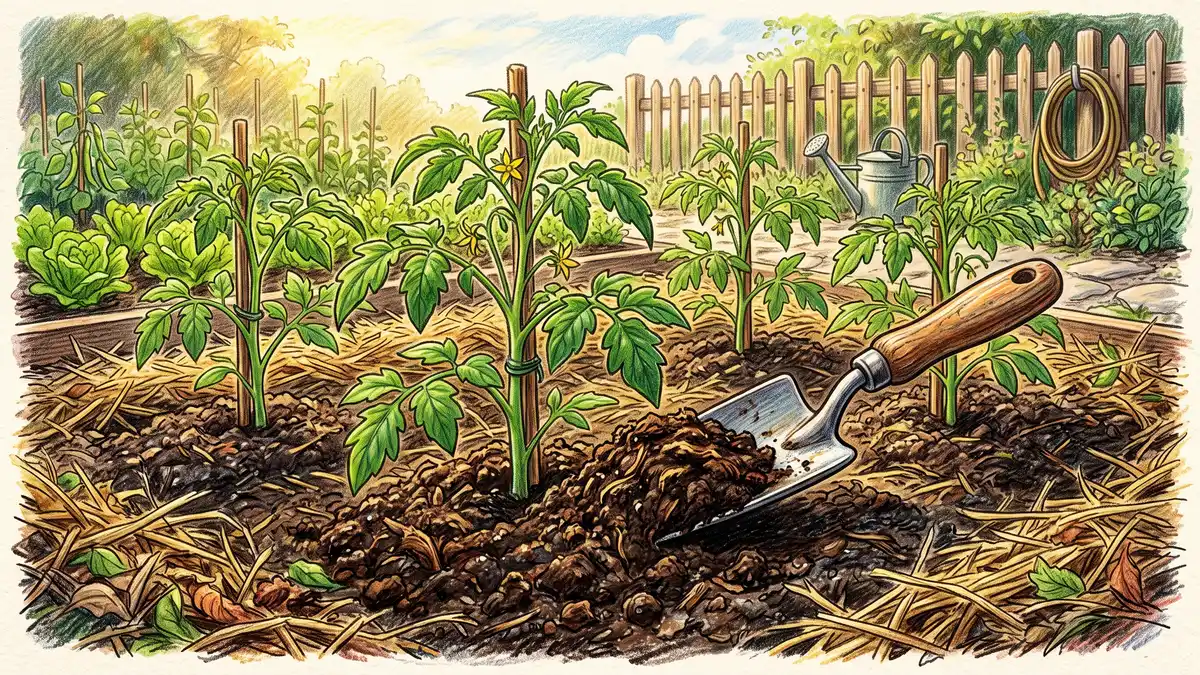
Once it is dark, crumbly, and earthy-smelling, it is ready. Spread 20 to 30 pounds per 100 square feet and mix it into the top 6 to 8 inches of soil before planting. A 4x8 foot raised bed needs only about 6 to 10 pounds, this stuff is concentrated, so resist the urge to pile it on.
Heavy feeders love it: brassicas like cabbage and broccoli, leafy greens, and fruiting crops like tomatoes and peppers all respond strongly. One caution from experienced growers: keep it out of carrot beds, since rich manure can make roots fork and split. Feeding the soil first is the permaculture way, and our guide to NPK and plant nutrition explains what those numbers mean. If you keep birds in a larger system, integrating chickens into a food forest closes the loop entirely.
Key Takeaway
Get the carbon balance right, hit 131°F for a few days, cure it, then apply sparingly before planting. Do that and everyday coop cleanings become the best free fertilizer in your garden. Dial in your browns and greens with our compost ratio guide.
Frequently Asked Questions
Is chicken manure a good fertilizer?
Yes, it is one of the best organic fertilizers you can use, once composted. Chicken manure carries two to three times the nitrogen and three to five times the phosphorus of typical cow or horse manure, plus potassium, calcium, and organic matter. Composted, it feeds heavy feeders like brassicas, tomatoes, and leafy greens, and it improves soil structure and moisture retention. The catch is that fresh manure is too strong and can carry pathogens, so it must be hot-composted or aged before it touches your plants.
How long does chicken manure need to compost?
Properly managed hot composting usually takes about 6 to 10 weeks, including a curing period, provided the pile heats to 130 to 150°F and you turn it to keep it cooking. If you simply pile and age manure without consistently high temperatures, it can take 6 to 12 months to stabilize, and even then may not be safe for high-risk crops. Hot composting is faster and safer because the sustained heat kills pathogens and mellows the volatile nitrogen.
Can you put chicken manure straight on the garden?
No, not fresh. Fresh chicken manure is high in ammonia and soluble salts that burn plant roots and foliage, and it can carry E. coli and Salmonella. If you must use raw or only-aged manure, organic guidelines require waiting at least 120 days before harvesting crops whose edible parts contact the soil, and 90 days for crops that do not. The simplest and safest approach is to hot-compost it first, then mix the finished compost into beds before planting.
How much composted chicken manure should I use?
Apply about 20 to 30 pounds of finished compost per 100 square feet, which is roughly 3 to 5 ounces per square foot, and work it into the top 6 to 8 inches of soil before planting. A standard 4x8 foot raised bed needs only about 6 to 10 pounds. Because chicken manure is so nutrient-dense, over-applying can cause salt stress, floppy excess leafy growth, and nutrient runoff, so start at the lower end and adjust based on how your plants respond.
Why does my chicken manure compost smell like ammonia?
An ammonia smell means the pile has too much nitrogen and not enough carbon. Chicken manure is so nitrogen-rich that it needs far more "brown" material than a typical compost pile, so add straw, dry leaves, or wood shavings and turn the pile to mix it in. That ammonia is also nitrogen escaping into the air, which is fertilizer you are losing. A well-balanced pile smells earthy, not sharp, so use your nose as your guide and keep adding carbon until the smell clears.
Get the Weekly Dig
One practical permaculture guide a week, written for gardeners who do this on weekends: composting that actually finishes and soil that feeds itself. Free, no spam, unsubscribe any time.
Join the Weekly DigResources
- Tilth Alliance (WSU Stewardship): Composting Chicken Manure
- University of Nevada Extension: Using Chicken Manure Safely in Home Gardens
- University of Georgia Extension: Poultry Litter Composting for Backyard Flocks
- University of Hawaii: Chicken Manure Nutrient Bulletin
- NCR FSMA: On-Farm Thermophilic Composting Guidance
- Livestock and Poultry Environmental Learning Center: Composting Temperatures for Pathogen Reduction
- Ravindran et al. (2018): Nutrient Quality and Phytotoxicity of Poultry Manures
- Sarnino (2025): Pathways of E. coli Transfer from Animal Manure
- WSU Extension Ask an Expert: Composting Chicken Bedding
- Penn State Extension: Poultry Manure and Nutrient Management