
Why Can't You Just Fill a Pot With Garden Soil?
It seems obvious: your garden bed grows great tomatoes, so scoop that same soil into a pot and you're set. Except that almost never works. The moment good garden soil goes into a container, it turns dense, waterlogged, and airless. Illinois Extension puts it bluntly: in a pot, drainage and aeration become "severely impeded," and garden soil should never be used by itself no matter how well it performs in the ground. what to plant in a window box growing above contaminated city soil perlite vs vermiculite coco coir vs peat moss garden soil vs potting soil mix for winter sowing jugs soil blocking why cheap moisture meters mislead in potting mix potting mix that stops absorbing water
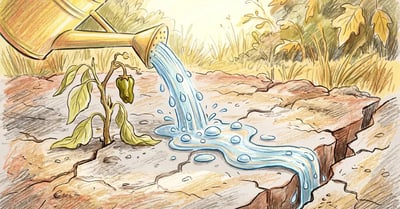
The reason is physics, not gardening skill. A loam that drains beautifully in a 12-inch (30 cm) deep bed becomes a swamp in an 8-inch (20 cm) pot, because gravity can't pull excess water down into deep subsoil and the walls block it from spreading sideways. On top of that, field soil often carries insects, weed seeds, and disease organisms into your containers, according to Illinois Extension's guidance on container soil. That is why every good container mix is "soilless" by design. Let's build one that actually works, for whatever you're growing.
Here's what this guide covers, so you can jump to what you need:
- Why containers need a light, porous, soilless mix (and the numbers behind it)
- What each ingredient actually does: coir, peat, perlite, vermiculite, compost, worm castings
- A reliable all-purpose recipe you can mix in about 15 minutes
- How to tweak that base for vegetables, succulents, blueberries, seedlings, and houseplants
- Whether DIY is really cheaper, and when to refresh a tired mix
Key Takeaway
A great container mix balances three jobs: holding water, holding air, and feeding roots. Get roughly two-thirds moisture-holding fiber (coir or peat) plus aggregate (perlite), and one-third compost, and you'll land inside the porosity ranges that extension trials link to healthy roots, no matter what you plant.
What Actually Goes Into a Good Container Mix?
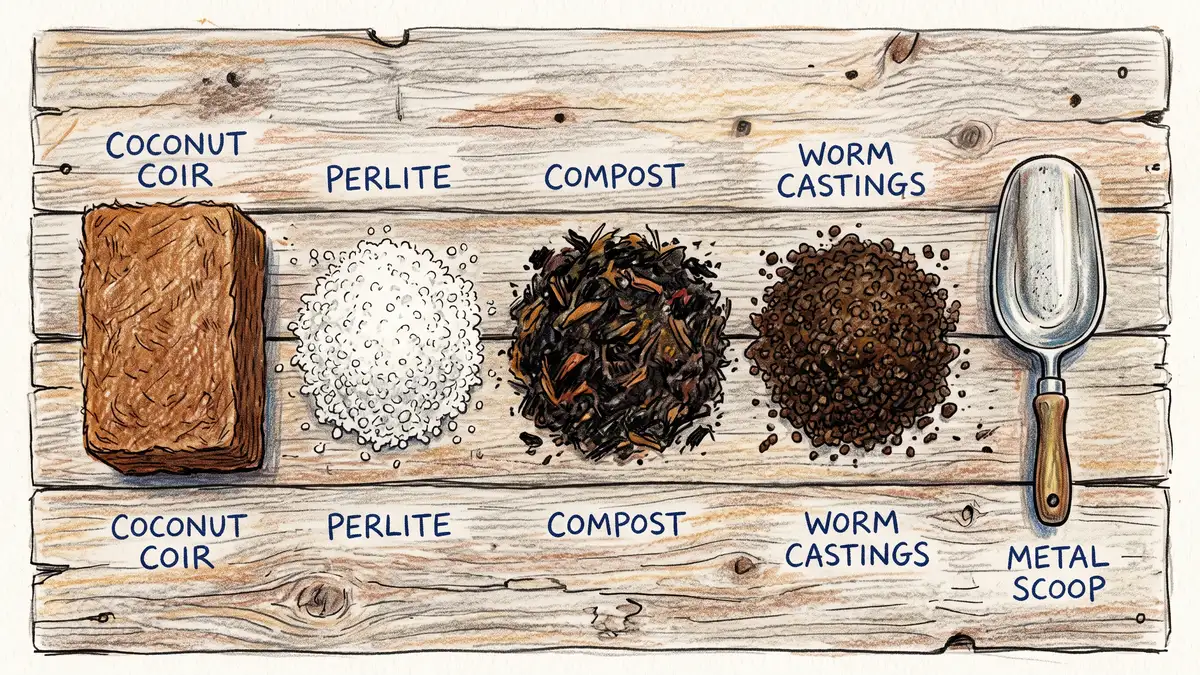
A soilless mix is really just three kinds of ingredient doing three different jobs. Fibrous bases like coconut coir and sphagnum peat moss hold water and nutrients. Aggregates like perlite and coarse sand open up air pockets and drainage. And compost or worm castings bring nutrients and living biology. The University of Florida IFAS homemade potting mix guide walks through each of these components and how they behave.
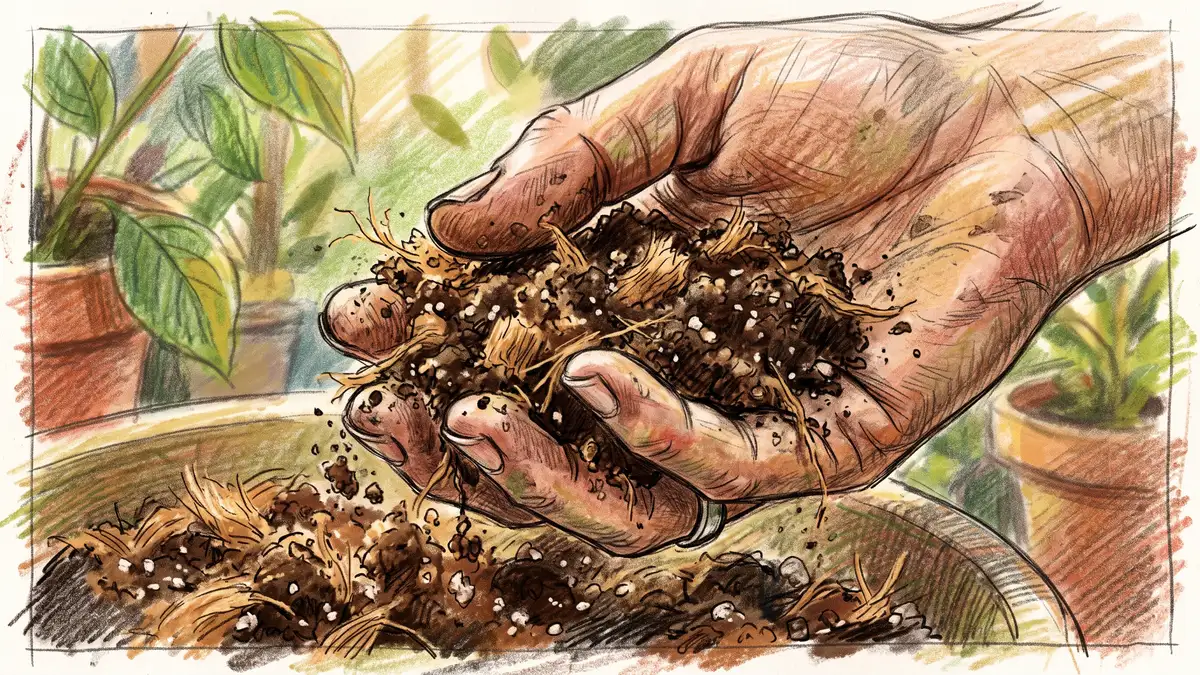
The single most important choice is your fiber base, and it usually comes down to coir versus peat. Coconut coir is a byproduct of the coconut industry, sits at a friendly pH of about 5.4 to 6.0, wets easily, and is renewable, per the Minnesota Pollution Control Agency's review of coir. Sphagnum peat also holds water superbly and has a high nutrient-holding capacity, but Canadian sphagnum runs strongly acidic at pH 3.0 to 4.5 (per Iowa State Extension), so it usually needs lime, and it's mined from bogs rather than renewably harvested. For most growers, coir is the easier, greener default.
| Ingredient | Main Job | Good to Know |
| Coconut coir | Water + fiber base | pH ~5.4-6.0, renewable, easy to wet |
| Sphagnum peat | Water + nutrient holding | Acidic (needs lime), high water capacity |
| Perlite | Air + drainage | pH-neutral, very low nutrient holding |
| Vermiculite | Moisture + nutrients | Great for seedlings, don't compress it |
| Compost | Nutrients + biology | Keep to ~25-30% or it compacts |
| Worm castings | Slow-release feed + microbes | Mild, won't burn roots |
Sources: UF/IFAS Homemade Potting Mix, University of Arkansas: Growing Media for Container Production, LSU AgCenter: Worm Castings.
Why This Works: Building Living Soil
Bagged sterile mix keeps plants alive, but a spoonful of finished compost or worm castings turns that inert medium into living soil. Worm castings are essentially 100% humus carrying beneficial microbial colonies, notes the LSU AgCenter. In permaculture terms, you're seeding the soil food web inside the pot, so roots gain access to a slow, self-renewing nutrient supply instead of depending entirely on you and a bottle of fertilizer.
What's a Reliable All-Purpose Recipe?
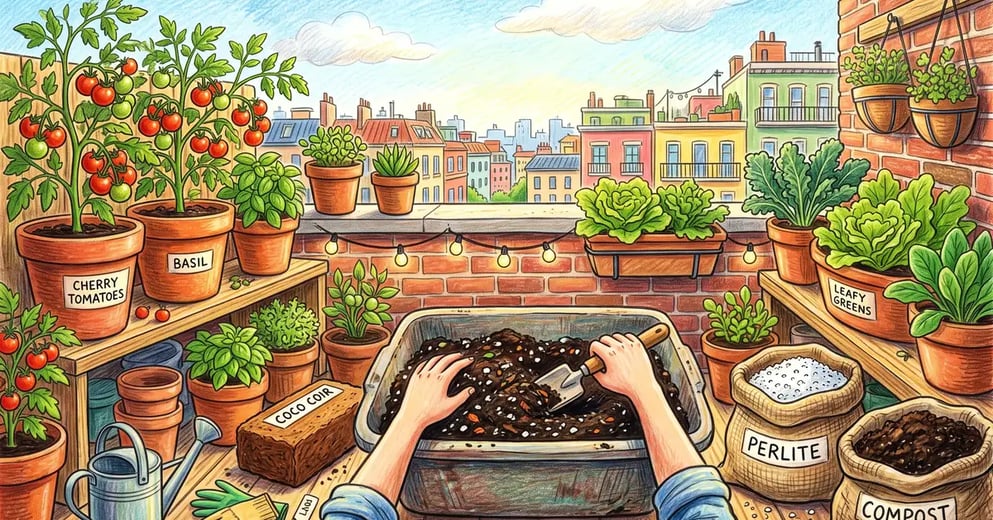
If you want one mix that handles most vegetables, herbs, and leafy greens, this thirds-based blend is hard to beat and mirrors what extension services recommend. Missouri Extension's edible-container formula is essentially equal parts: 25% quality topsoil, 25% peat, 25% compost, and 25% perlite or coarse sand, though for balconies I lean on coir instead of topsoil to keep pots light.
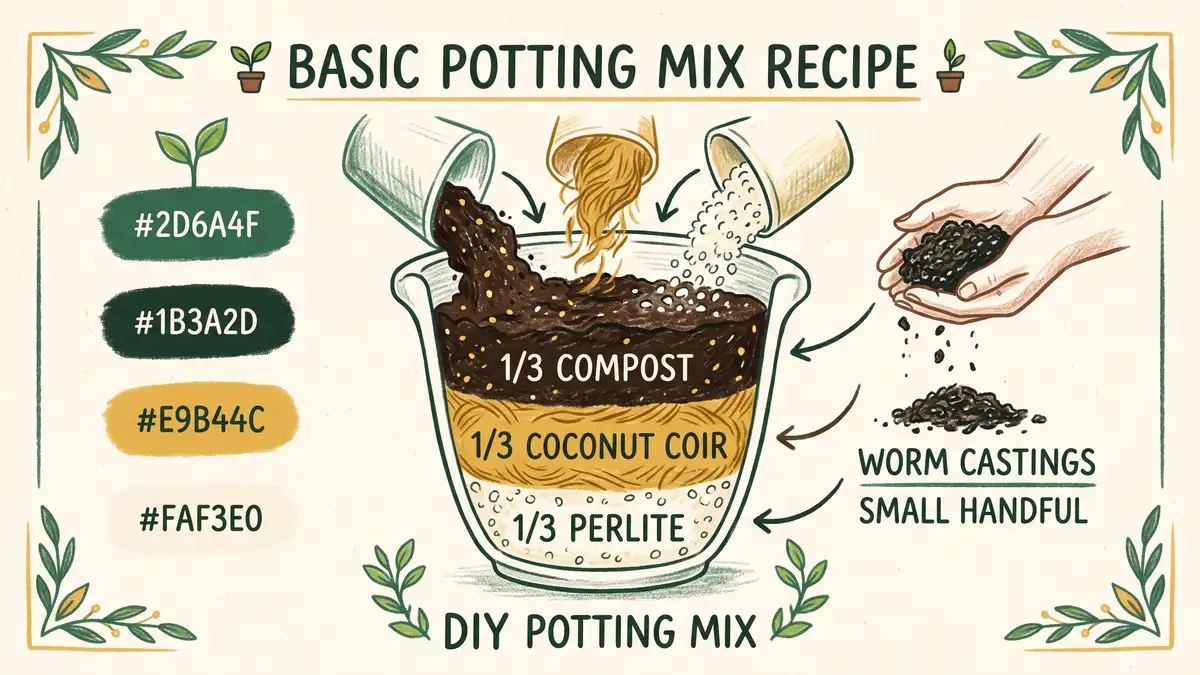
Start with the fiber base (1 part)
Soak a coir brick in warm water until it expands and fluffs up, or fluff pre-moistened peat. This is your water reservoir. Budget about 15 minutes for coir to fully hydrate.
Add aeration (1 part perlite)
Mix in an equal volume of perlite. It carries almost no nutrients but creates the large air pockets roots need. Aim for a mix that feels light and crumbly, not dense.
Add nutrients and biology (1 part compost)
Blend in finished compost, plus a couple of handfuls of worm castings. Keep total compost near one-third; more than that and the mix compacts and drains poorly.
Wet, check, and fill
Moisten the finished mix until it holds together but crumbles when squeezed. Fill containers loosely, and don't pack it down. That squeeze test is your quick porosity check.
Those ratios aren't arbitrary. Sungro Horticulture's data on media components shows typical soilless mixes run 75 to 95% total porosity, 10 to 30% air space, and hold water in 65 to 80% of their pores after draining. The fiber-plus-aggregate-plus-compost structure is what lands you in that sweet spot. For more on building the compost that feeds these mixes, see our soil and composting guides.
How Do You Adjust the Mix for Specific Plants?
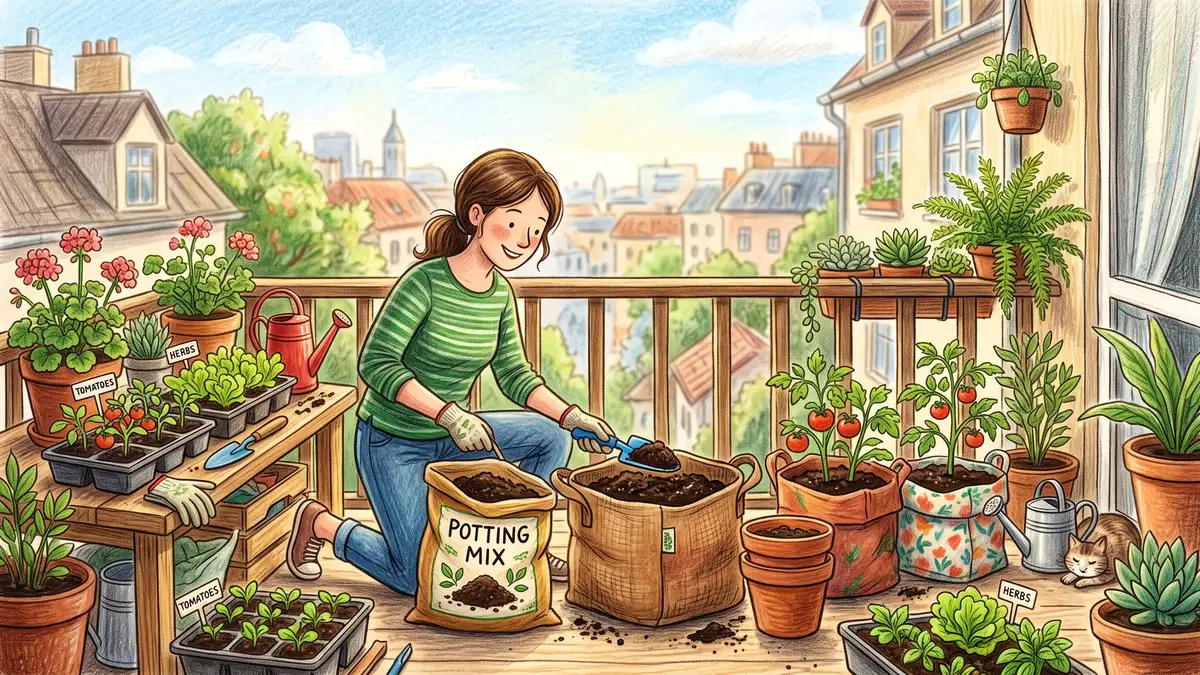
The all-purpose base is a starting point, not a straitjacket. Different plants want different balances of water and air, and small tweaks make a big difference. The rule of thumb: moisture-lovers get more fiber, drought-lovers get more grit, and acid-lovers get more peat.
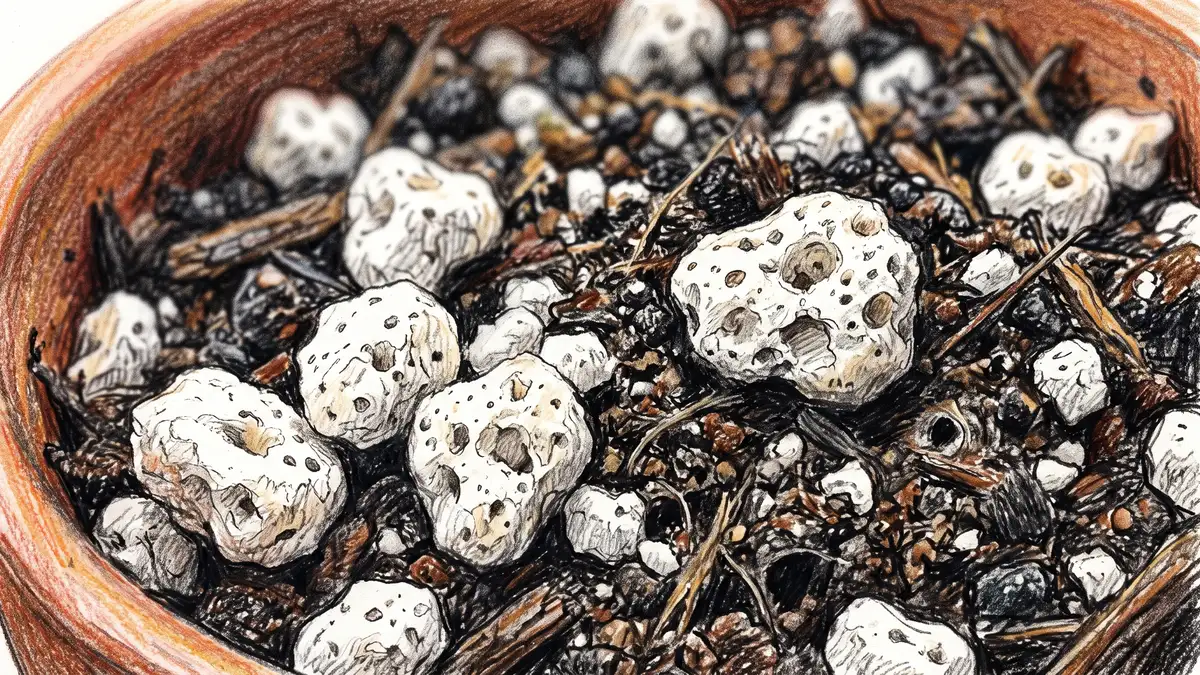
Succulents and cacti are the clearest example. They evolved in fast-draining ground, so they need far more grit: pile in coarse sand, pumice, or extra perlite until aggregates make up half the mix or more. Blueberries swing the other way on chemistry. Wisconsin Horticulture stresses that blueberries need a soil pH of 4.5 to 5.0 and recommends an acidic blend of one part sphagnum peat to one part pine bark, or two parts coir to two parts peat to one part perlite, in their guide to growing blueberries in containers.
| Plant Type | Adjust the Base By | Why |
| Tomatoes & vegetables | Extra compost; add lime (~1 cup / 5-gal pot) | Heavy feeders; calcium fights blossom end rot |
| Seedlings | 2 parts compost : 2 parts peat : 1 part vermiculite | Fine, evenly moist, low-salt for tender roots |
| Succulents & cacti | 50%+ grit (sand, pumice, perlite) | Fast drainage prevents root rot |
| Blueberries | Mostly peat + pine bark, minimal compost | Holds pH 4.5-5.0 acidity |
| Houseplants & foliage | More coir/peat, less grit | Prefer steady moisture |
Sources: UW-Extension: Growing a Tomato in a Container, UF/IFAS Homemade Potting Mix, Wisconsin Horticulture: Blueberries in Containers.
Common Mistake to Avoid
Dumping in "the more compost the better." It feels generous, but a technical rule from container-media specialists is to cap compost at roughly 25 to 30% of the mix. Beyond that, fine compost particles fill the air pores, the mix slumps and compacts, drainage collapses, and salts can build up, exactly the waterlogged conditions you were trying to avoid. Compost is a seasoning, not the main course.
Is It Actually Cheaper to Make Your Own?
Sometimes yes, sometimes not, and it depends on scale. If you have your own compost or worm bin and buy coir and perlite in compressed bales rather than small retail bags, DIY usually wins on cost per quart, especially once you're filling more than a few pots. UF/IFAS notes peat is inexpensive and coir is pricier, so your base choice affects the math. For a single balcony pot, a bagged mix may be simpler and barely more expensive. For a patio full of grow bags, mixing your own pays off quickly, and you control exactly what goes in. This is the same closed-loop thinking behind our permaculture foundations: turn kitchen scraps into compost, compost into potting soil, and shrink what you have to buy.
When Should You Refresh Container Soil?
Potting mix is not forever. As the organic fraction decomposes, the mix loses structure, slumps, and drains poorly. Independent gardening analysis aggregating UC Master Gardener and Cornell guidance concludes that most container mixes need refreshing every one to two years, per this review of whether potting soil lasts forever. The easy maintenance move is to pull out the top third each spring, mix in fresh compost and a scoop of perlite to restore drainage, and fully replace heavily used containers every two to three seasons. Old mix isn't waste, either: it goes straight onto garden beds or into the compost pile.
Key Takeaway
Start with a thirds-based blend of coir, perlite, and compost, then adjust: more grit for succulents, more peat for blueberries, more compost for hungry vegetables. Keep total compost under about 30%, refresh yearly, and you'll grow more in a pot than most people manage in the ground.
Frequently Asked Questions
How do you make your own potting soil?
Combine roughly equal parts of three things: a fiber base (soaked coconut coir or peat moss), an aggregate for air (perlite or coarse sand), and finished compost for nutrients, plus a couple of handfuls of worm castings. Soak the coir first, mix everything until light and crumbly, then moisten until it holds together but breaks apart when squeezed. This lands you inside the 75 to 95% total porosity range that extension services associate with healthy container roots. Adjust the ratio toward more grit or more fiber depending on what you're growing.
Is it cheaper to make your own potting soil?
It usually is once you're filling more than a few containers, especially if you make your own compost and buy coir and perlite in compressed bales instead of small retail bags. For a single pot, a bagged mix may be simpler and about the same price. The bigger savings come from the compost side: homemade compost and worm castings reduce how much fertilizer you need to buy over the season, which is where DIY really pulls ahead.
Can I use garden soil in containers?
Not on its own. Illinois Extension warns that garden soil in a pot has "severely impeded" drainage and aeration, and it can bring in insects, weed seeds, and disease. If you want to include some native soil for minerals, keep it to a small fraction (around 10 to 15%) and buffer it heavily with coir, compost, and perlite so the mix stays light and porous. For most balcony and patio growing, a fully soilless mix is the safer, more productive choice.
What is the best potting mix for vegetables?
Vegetables are heavy feeders, so start from the all-purpose thirds recipe and add extra compost. Missouri Extension's edible-container blend of equal parts topsoil, peat, compost, and perlite works well, and for tomatoes, Wisconsin Extension suggests adding about a cup of garden lime per five-gallon container to supply calcium and reduce blossom end rot. Aim for a pH near 6.0 to 6.5. Just keep the mix porous enough that water drains freely from the bottom, since container vegetables get watered often.
Do I need perlite in my potting mix?
You need some kind of aggregate, and perlite is the easiest one. It's pH-neutral, lightweight, and creates the large air pockets that keep roots from suffocating between waterings. Coarse sand or pumice can do the same job. Without an aggregate, a fiber-and-compost mix packs down, holds too much water, and starves roots of oxygen. Perlite also has almost no nutrient-holding capacity, which is fine, because that job belongs to your coir, compost, and worm castings.
Get the Weekly Dig
One practical permaculture guide a week, written for gardeners who do this on weekends: building living soil without buying it in bags. Free, no spam, unsubscribe any time.
Join the Weekly DigResources
- Illinois Extension: Soil for Container Gardens
- University of Florida IFAS: Homemade Potting Mix
- University of Arkansas: Growing Media for Container Production
- Purdue Extension: Understanding the Pores of a Soilless Substrate
- Sungro Horticulture: Air Porosity and Water-Holding of Media Components
- Missouri Extension: Edible Container Gardens
- Wisconsin Horticulture: Growing Blueberries in Containers
- Minnesota Pollution Control Agency: Coir and Its Applications
- LSU AgCenter: Composting Series - Worm Castings