
Seed bombs are the most photogenic idea in gardening and one of the least tested. Roll clay, compost and seed into a marble, throw it, walk away, wildflowers appear. The making part is genuinely simple. The appearing part is where the evidence gets interesting, and mostly nobody reports it.
Where Seed Bombs Came From, and What Goes In One
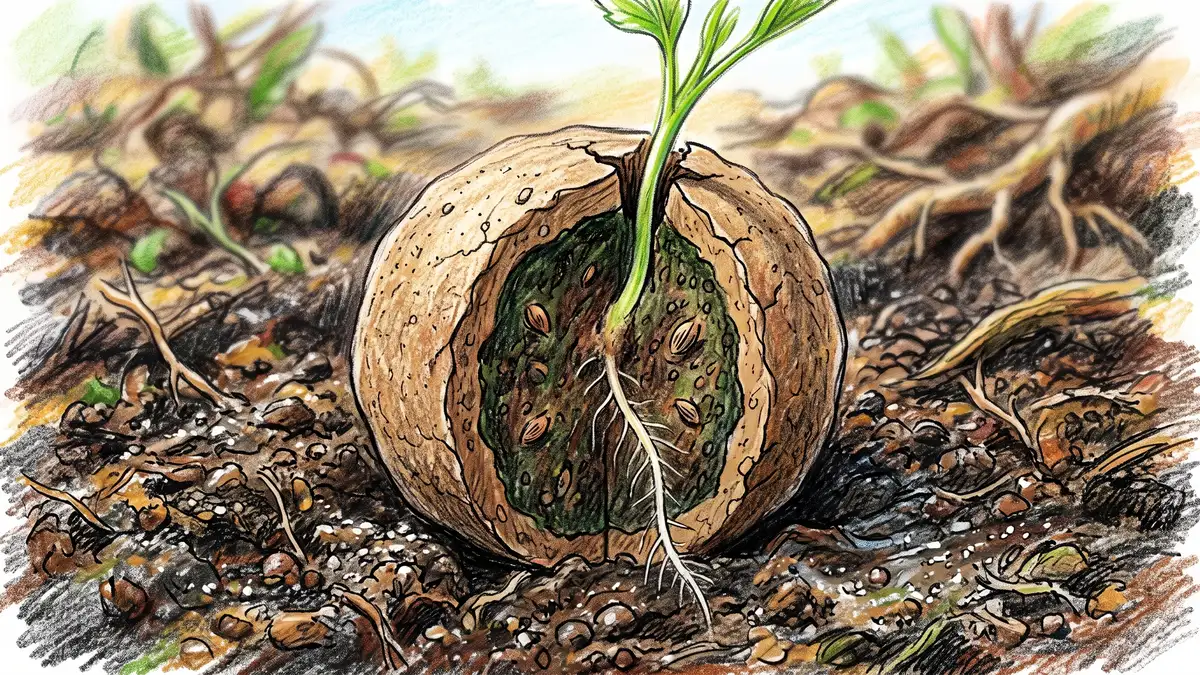
The method traces to Masanobu Fukuoka's nendo dango, the clay pellets he used to sow grain and cover crops without ploughing. His recipe was seed, clay and water, sometimes with humus mixed in for microbial inoculant, rolled to about half an inch (12 to 15 mm) with ideally one seed each. He never published a ratio. The five-parts-clay-to-one-part-seed figure you see everywhere is a later generalisation, not something he specified.
What this article covers:
- A recipe with actual measurements from a university extension source
- What the measured trials found, including the ones that found nothing
- Which seeds work in a ball and which get damaged making one
- Why autumn is the right month to do this
- Where scattering seed is legally and ecologically a bad idea
Key Takeaway
Seed bombs are a sowing method, not a shortcut. They help most on crusted or compacted ground where bare seed fails. They do nothing about drought, competition or a wrong seed choice, which is what usually kills a wildflower planting.
The Recipe, With Real Numbers
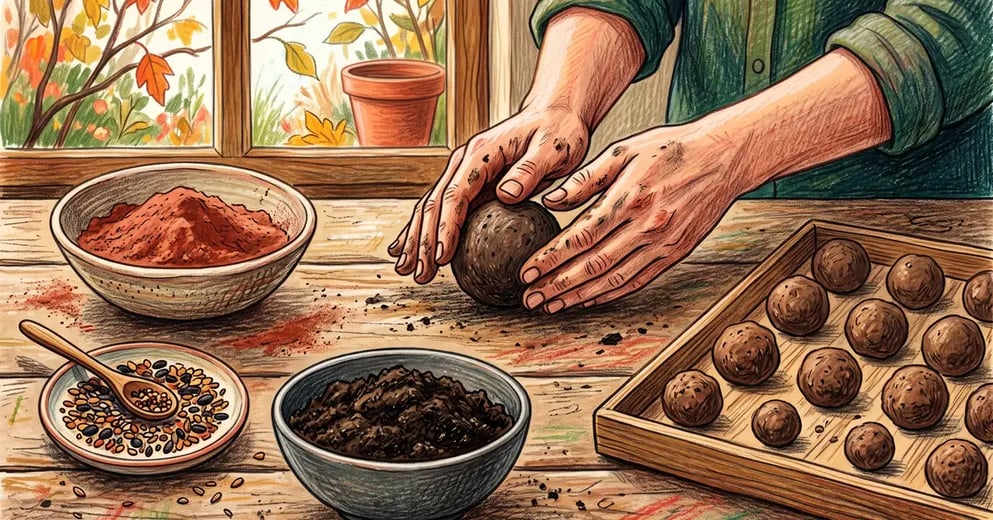
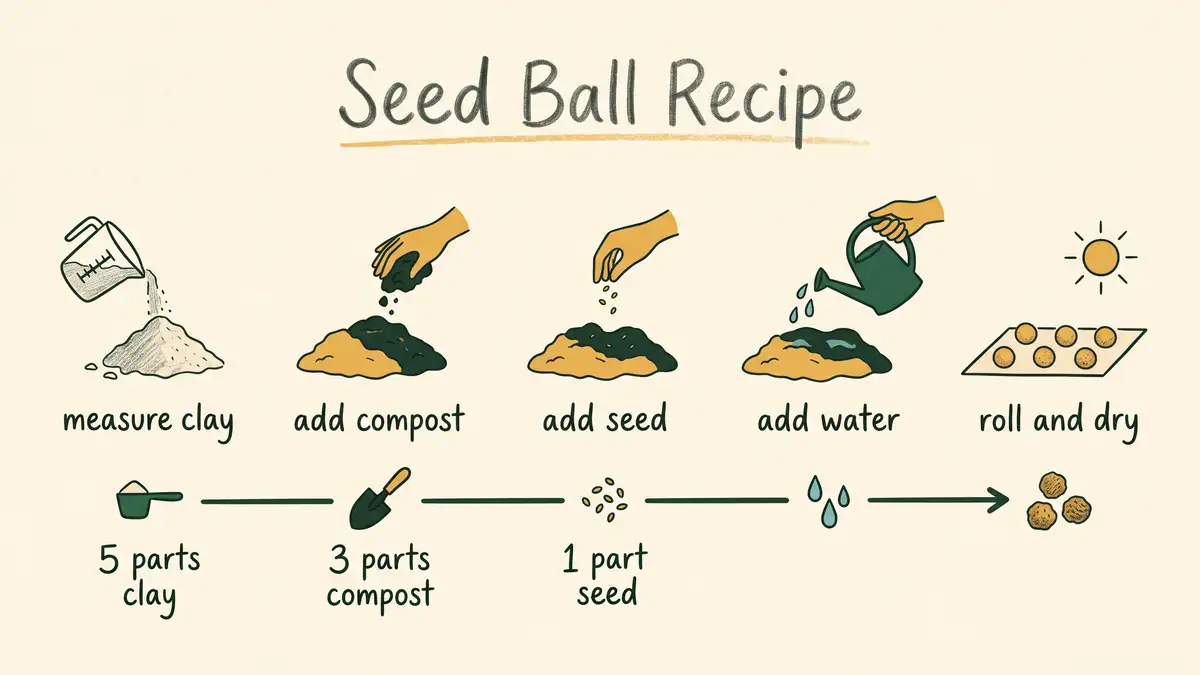
Use dry powdered clay, not potting soil and not garden clay dug damp out of the ground. Powdered red clay or bentonite binds properly and dries hard. The UC Master Gardeners of San Luis Obispo County give the cleanest home version.
Measure
A quarter cup of clay powder to a quarter cup of coarse compost, or half a cup if the compost is fine. Roughly equal parts by volume.
Add about two tablespoons of water
You want a stiff dough, not a slurry. Add water in small amounts, because the difference between workable and sticky is about a teaspoon.
Fold in seed gently
Two to four seeds per ball. Fold, do not knead hard. This step is where large soft seeds get damaged, and damaged seed is the most avoidable failure here.
Roll and dry in shade
Half-inch balls, about 18 from that quantity. Dry two to three days out of direct sun until uniformly pale, then store in paper or cardboard, never plastic.
Does the Evidence Actually Support Them?
Partly, and in specific conditions. This is the honest answer and it is more useful than enthusiasm.
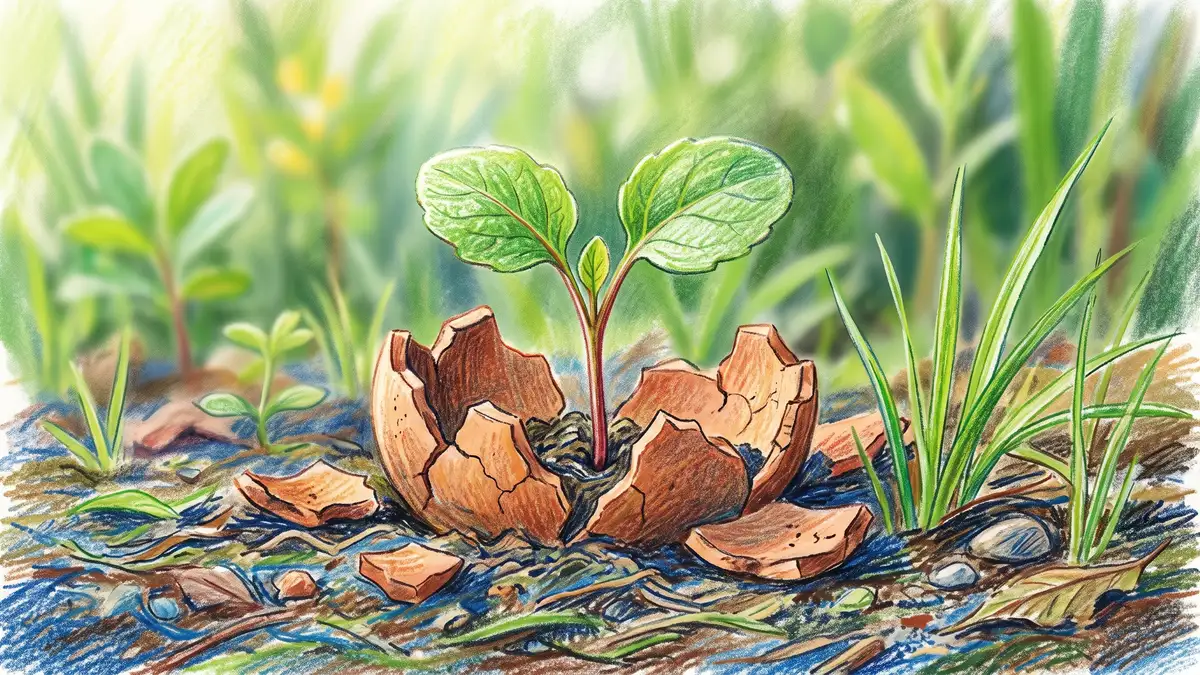
The best positive result comes from Longland and colleagues (2014), who tested whether several seedlings pushing together could break through a soil crust that defeats a single seedling. In clay soils, pellets containing multiple seeds emerged at 1.3 to 1.9 times the rate of single coated or uncoated seeds over 25 days. In sandy soil the coated seeds still emerged 1.4 times better than controls.
Arizona work on pellet design found clay content mattered more than expected: 10 percent clay pellets produced 2.6 seedlings at end of season against 1.2 for 55 percent clay and 1.0 for controls. Thicker is not better. Larger 2.5 cm pellets were more likely to produce at least one seedling than 1.5 cm ones, but when the small pellets worked, a higher share of their seeds emerged, 15 percent against 9.
Two Trials That Found Nothing
The Puente Hills Habitat Authority's 2011 seed ball experiment in California found no substantial difference in native seedling abundance or species richness between seed balls and plain hand seeding, and native germination was very low across every treatment including the unseeded control. Their limiting factors were soil moisture and invasive competition, and no sowing method fixed that. Separately, Wotton and colleagues' 2024 New Zealand restoration study found encapsulation generally reduced germinability, with large soft seeds damaged during mixing, and only about 20 percent of balls producing a seedling.
Why This Works: Working With the Crust
Fukuoka's insight was never that clay is magic. It was that the two things stopping a broadcast seed are predation before germination and a soil surface it cannot enter. A ball answers both by hiding the seed and by ganging several seedlings together against the crust. Where neither problem exists, the ball adds nothing, which is exactly what the California trial found. Read more in our piece on Fukuoka's natural farming.
Seed Choice and Why Autumn Matters
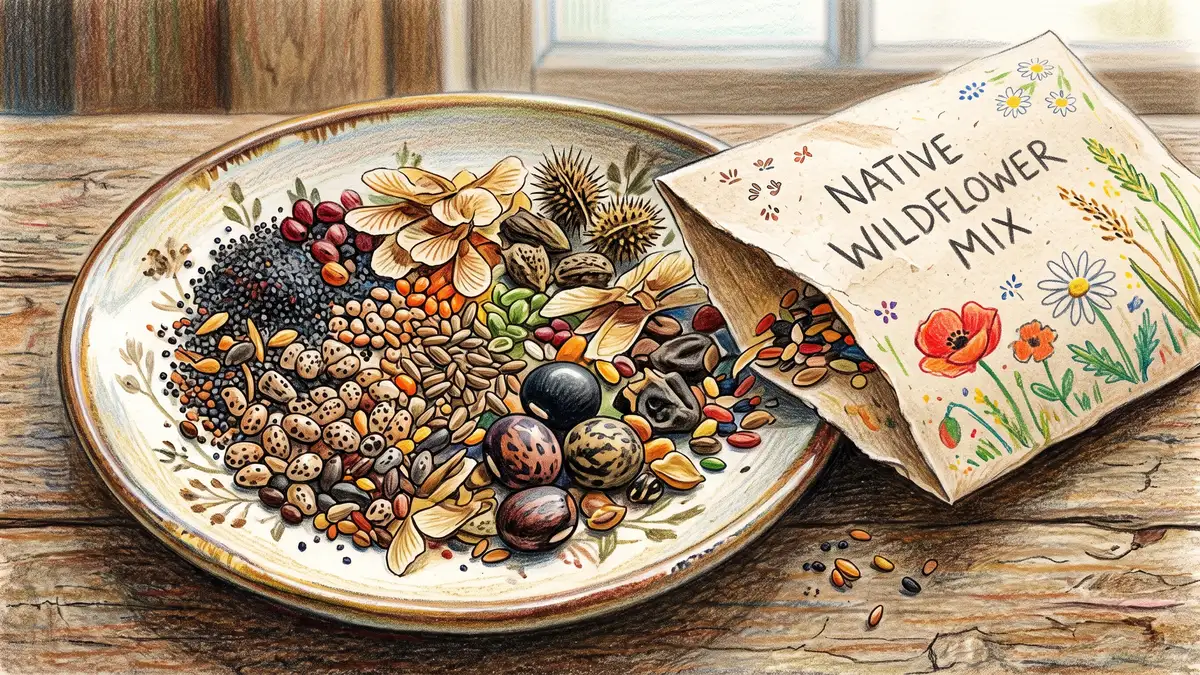
Small, hard, pioneer-type seeds suit this method. Large soft seeds do not, because they get crushed in the mixing, and anything needing precise sowing depth does not either, since a ball sits on the surface by design.
Timing matters more than most guides admit. Many US native perennials need cold-moist stratification before they will germinate at all. Research on Echinacea found four weeks of cold-moist treatment adequate for E. purpurea, with four to six weeks recommended across the genus. Scatter unstratified Echinacea in spring and very little happens, which is the same problem cold stratification solves indoors.
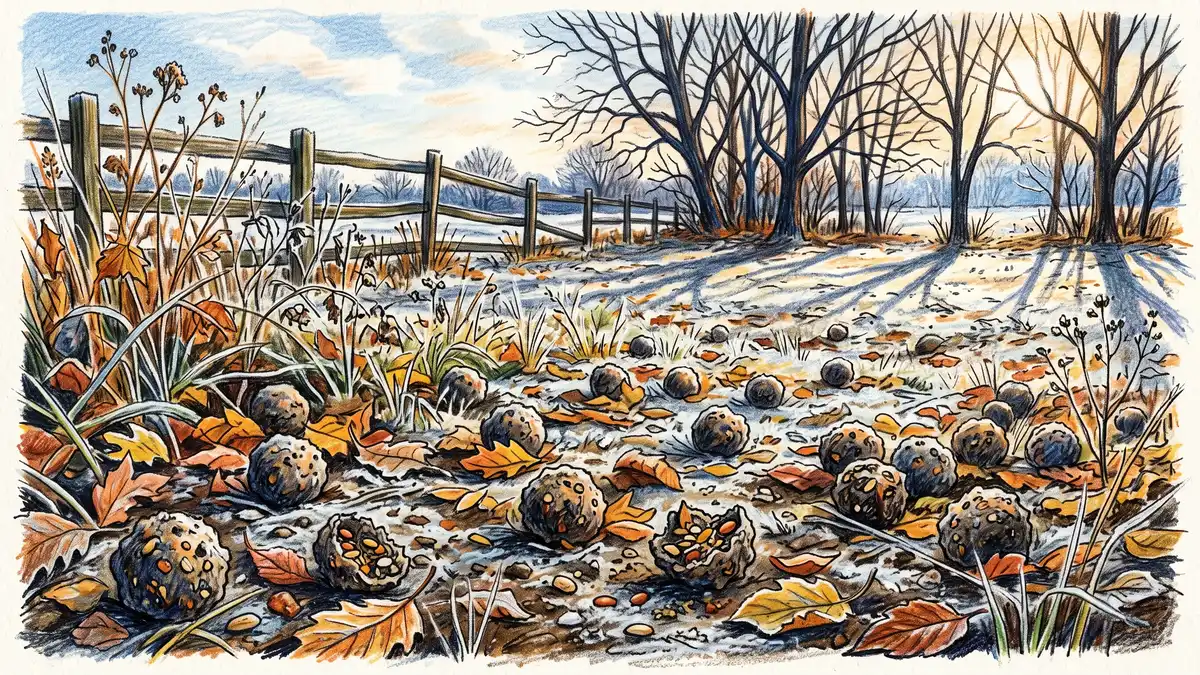
That is the argument for autumn. Sow late enough that seed will not germinate before winter, and the natural freeze-thaw cycle does the stratification for you. Rutledge's Alaska trial at the Georgeson Botanical Garden compared spring and fall sowing of native mixes and found similar species richness by the third season, 16 species established from spring sowing against 15 from fall, but greater density per species in the fall-sown plots. If you are reading this in September, make them now.
One caution the enthusiasm usually skips: a seed ball that stays intact all winter can keep seed from making soil contact, which works against stratification rather than for it. Scatter onto rough, open ground where rain will break the balls down, not onto matted thatch.
Where Not to Throw Them
No US statute names seed bombs. Trespass law and noxious weed seed law between them still make casual seed bombing a poor idea, and the second one is the part gardeners never consider.
| Concern | What the Rules Say |
| Land you do not own | Throwing anything onto posted private land is trespass in most states |
| Cheap wildflower mixes | Washington's WAC 16-752-610 names wildflower mixes as regulated articles and bans listed species including butterfly bush, yellow archangel and lesser celandine |
| Weed seed content | California caps all weed seed at 1.5% by weight in seed for sale; Colorado at 2% |
| Prohibited noxious seed | Vermont bans field bindweed, quackgrass, Canada thistle and velvetleaf in any quantity |
Sources: Washington Administrative Code 16-752-610, regulated articles, UNH Extension, Wildflower Mixes for Trial in New Hampshire
Beyond legality there is provenance. Native seed adapted to your region germinates and flowers on your local schedule; the same species grown from stock 800 miles away often does not. Buying a regional native mix from a supplier who names the collection area is a slower purchase and a better planting than a generic tin of mixed annuals, and it does far more for the pollinators you are trying to feed.
Key Takeaway
Make them for your own rough ground, in autumn, with a regional native mix. That combination has evidence behind it. Throwing anonymous mixes over other people's fences has neither evidence nor permission. Pair the planting with the rest of a wildlife-friendly garden design and see how it fits the wider approach in our guide to what permaculture actually is.
Frequently Asked Questions
How do you make seed bombs?
Mix roughly equal volumes of powdered clay and sifted compost, add water a little at a time until you have a stiff dough, fold in two to four seeds per ball without kneading hard, and roll into half-inch marbles. UC Master Gardeners get about 18 balls from a quarter cup of each ingredient with two tablespoons of water. Dry them in shade for two to three days until uniformly pale, then store in paper or cardboard so they do not sweat.
Do seed bombs actually work?
In specific conditions. Pellets containing several seeds emerged 1.3 to 1.9 times better than bare seed in crusting clay soils in Longland's 2014 trials, because seedlings push through the crust together. Against that, a 2011 California habitat trial found no difference between seed balls and hand seeding, and a 2024 New Zealand study found encapsulation generally reduced germinability with about 20 percent of balls producing a seedling. They help with crusted ground and seed predation, not with drought or competition.
How to plant seed bombs?
Do not bury them. Scatter onto rough, open ground where rain can reach and break them down, spacing them a foot or so apart. Clear matted thatch first, because a ball sitting on dead grass never contacts soil. Autumn is the best timing in most of the US, since winter freeze-thaw provides the cold-moist stratification many native perennials require. Then leave them alone; they need weather, not watering.
Is seed bombing illegal?
No US law names seed bombs, but two bodies of law apply. Throwing anything onto land you do not own is generally trespass. Separately, state noxious weed seed laws regulate what may be distributed: Washington's WAC 16-752-610 explicitly lists wildflower mixes as regulated articles and bans species including butterfly bush and lesser celandine. Using an unchecked commercial mix can mean distributing regulated weeds. Keep them on your own ground.
What seeds work best in seed bombs?
Small, hard-coated pioneer species and native wildflowers that tolerate surface sowing. Avoid large soft seeds such as sunflower or peas, which get crushed during mixing, and anything requiring a precise sowing depth or light exclusion, since a ball sits on the surface. Check stratification needs per species rather than assuming a mix behaves uniformly: Rudbeckia hirta germinates in 8 to 14 days with no cold treatment, while most Echinacea need four to six weeks cold and moist.
Get the Weekly Dig
One practical permaculture guide a week, written for gardeners who do this on weekends: permaculture design for real backyards. Free, no spam, unsubscribe any time.
Join the Weekly DigResources
- UC Master Gardeners San Luis Obispo County: Planting Seed Balls
- Longland et al.: Agglomerating seeds to enhance native seedling emergence
- Puente Hills Habitat Authority: Seed Ball Experiment final report (2011)
- University of Arizona: Seedballs of varying shapes and additives enhance emergence
- Low-Tech Seed Enhancement Technology for Longleaf Pine Understory Perennial Forbs
- Georgeson Botanical Garden: spring versus fall sowing of native wildflower mixes
- UNH Extension: Wildflower Mixes for Trial in New Hampshire
- Washington Administrative Code 16-752-610: regulated articles including wildflower mixes