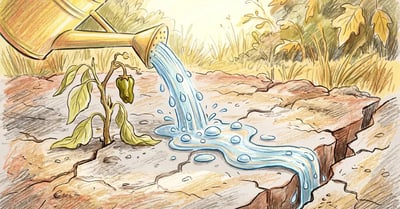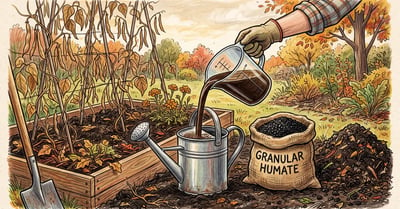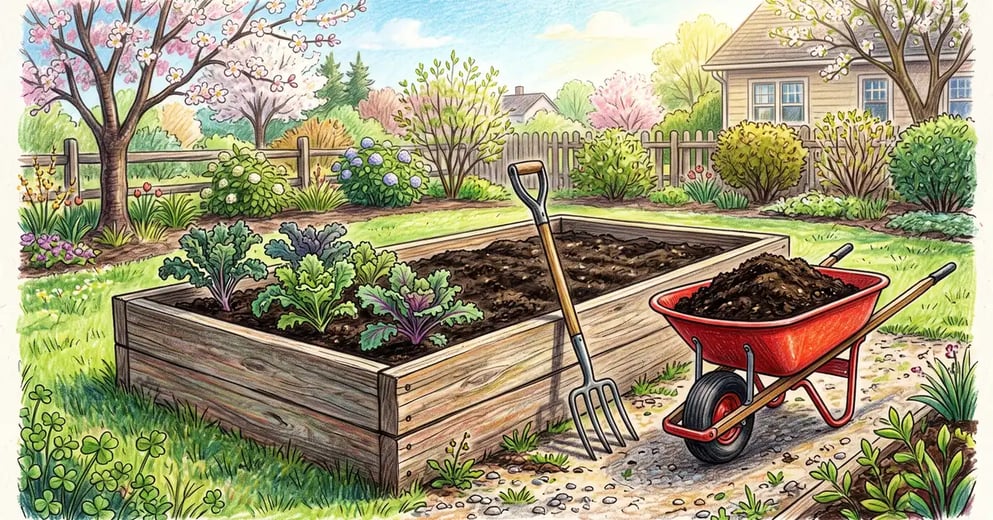

Every spring the soil in your raised beds sits a few inches lower than it did last year. The standard response is to dump in more compost, and for the first two or three years that works fine. Then it quietly stops working, and the beds that get the most compost start underperforming the ones you neglect. the difference between perlite and vermiculite choosing between bagged soils topsoil vs compost
That is not bad luck. It is what happens when you treat compost as a bulk filler rather than what it actually is, which is a fertilizer with real nitrogen, phosphorus and salt content. Refreshing a bed properly takes less material than most people use, and one cheap test to tell you what it needs.
Why Does Raised Bed Soil Drop Every Year?
Two things are happening at once, and only one of them is losing you soil.
University of Illinois Extension points at the first: raised bed soils often have poor structure and get disturbed frequently by the gardener, and that combination makes them settle. Water washes fine particles down into air pockets, and kneeling on the edges compresses the rest. Nothing has left the bed, it has just packed tighter.
The second is mineralisation. University of Maryland Extension notes that organic matter moves down through the profile and is continuously used up through oxidation. That part genuinely leaves as carbon dioxide and water. Because raised bed mixes usually start at 20 to 30 percent compost by volume, against a few percent in a field soil, they shrink faster than ordinary ground.
Key Takeaway
A sinking bed is normal, not damage. Most of the first year or two of drop is physical settling. After that, what you are replacing is decomposed organic matter, and that needs far less material than the initial fill did.
How Much Compost Does an Established Bed Actually Need?
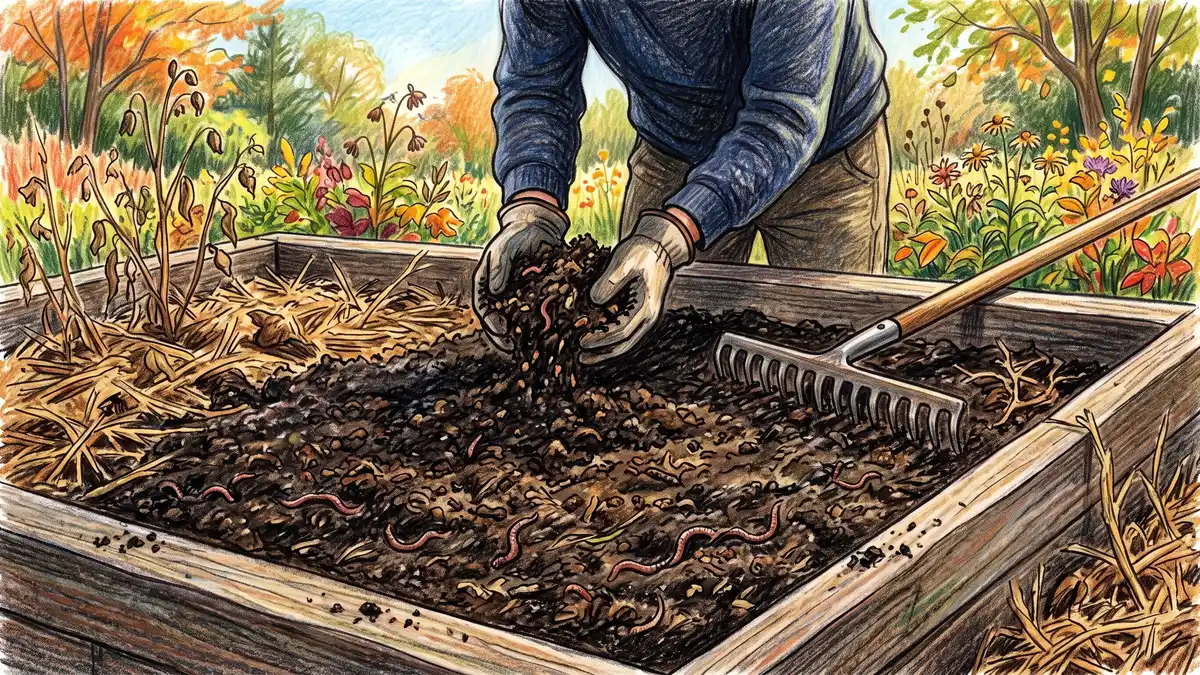
Far less than you think, and the gap between building rates and maintenance rates is where most gardeners go wrong. Oregon State University Extension is specific: for a new bed, apply 3 to 4 inches (7.5 to 10 cm) of compost. For an existing vegetable bed, add one-quarter to 1 inch (0.6 to 2.5 cm) per year. That is a quarter of the rate, and people keep applying the building rate forever.
| Situation | Compost Depth Per Year | Method |
| New bed, first fill | 3-4 in. (7.5-10 cm) | Mixed into top 8-12 in. |
| Established bed, maintenance | 0.25-1 in. (0.6-2.5 cm) | Surface or lightly worked in |
| No-dig bed, compost as sole fertility | 2 in. (5 cm) | Surface only, never turned |
| Bed with high soil-test phosphorus | 0 in. | Nitrogen only, no compost |
Sources: Oregon State University Extension EM 9308, Collin County Master Gardeners, Ask Extension
Maryland Extension's number lands in the same place: just 1 inch of compost per year can maintain garden productivity. Note the framing. Maintain, not increase.
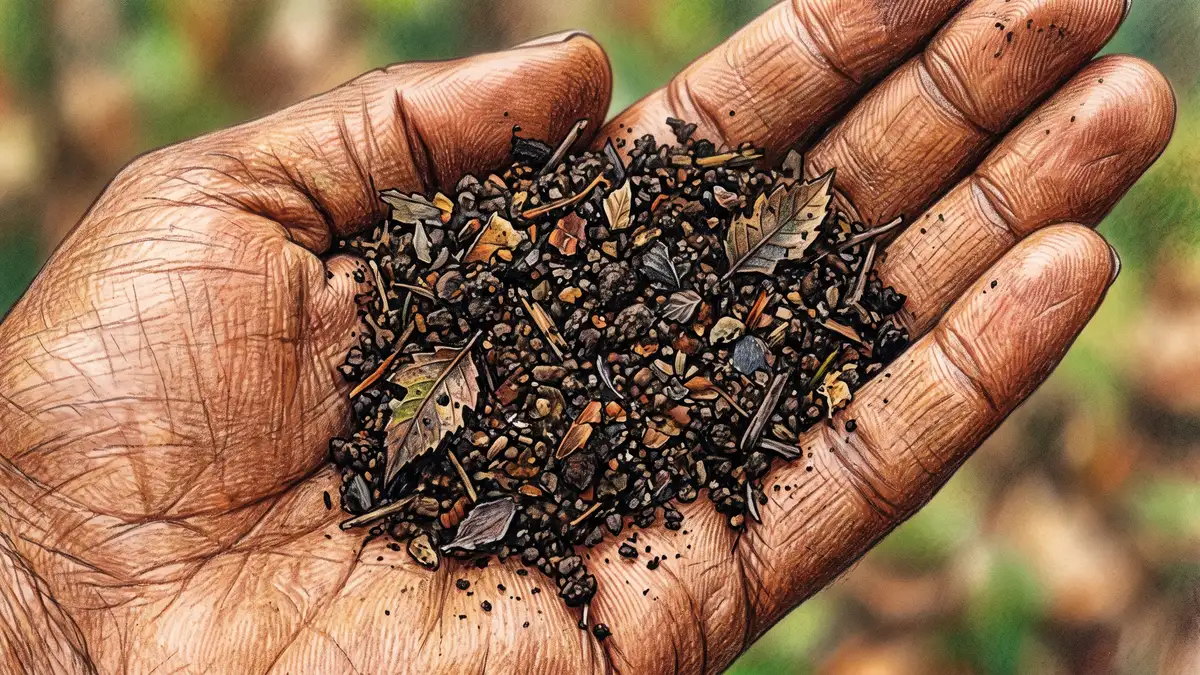
If the level has genuinely dropped several inches and you need bulk, top up with plain topsoil or leaf mold rather than more compost. You get the volume back without another dose of phosphorus. Illinois Extension allows for a few inches of compost or high-quality topsoil annually, and the topsoil half of that sentence is the part people skip.
What Goes Wrong When You Only Add Compost?
This is the failure mode nobody warns you about, because compost has such a good reputation.
Compost is a fertilizer. Oregon State's guidance puts quality finished compost at 0.5 to 3.0 percent nitrogen and above 0.2 percent phosphorus, and flags that mushroom and manure composts may carry high soluble salts that harm vegetable seeds and transplants. Apply an inch or two of that every year to a contained bed that never floods or erodes and the phosphorus has nowhere to go.
Common Mistake to Avoid
An Ask Extension case describes exactly this: a gardener with high organic matter and excessive phosphorus, magnesium and potassium, diagnosed as over-amendment. The advice was to stop compost, manure and biosolids entirely, and add only the nitrogen the soil test called for. Nitrogen is the one nutrient compost tends to under-supply while over-supplying everything else.
The nitrogen asymmetry is the whole story. The USDA NRCS reports that nitrogen leaching can exceed 50 pounds per acre even without a fall application, and that nitrogen use efficiency runs 30 to 50 percent in tilled systems against 80 to 90 percent under no-till with cover crops. Nitrogen washes out. Phosphorus stays. Feed both with the same material and you drift out of balance every single year.
Do You Actually Need a Soil Test?
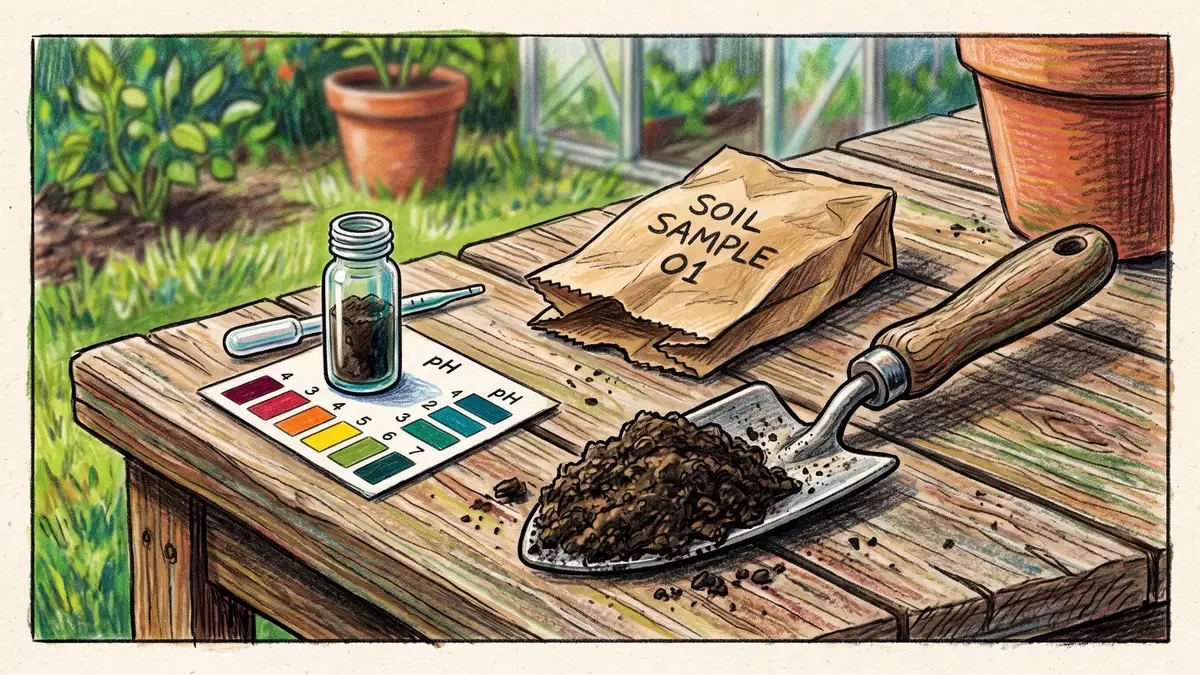
Yes, and it is cheap enough that guessing is the expensive option. Michigan State University Extension prices its Home Lawn and Garden Soil Test Mailer at $26. In North Carolina, samples are analysed free for residents from April through late November. Penn State Extension sells kits through county offices for mailing to its analytical lab.
Every one of those reports gives you pH, phosphorus, potassium, calcium, magnesium and usually organic matter, plus a fertilizer recommendation. Test every two to three years in a stable bed, or annually if a previous test showed nutrients running high.
Why This Works: Observe Before You Intervene
Permaculture's first design principle is observe and interact, and a $26 soil test is the cheapest observation you can buy. It replaces four years of amendment guesswork with a number. It also tends to reveal that your soil needs less than you were about to give it, which is usually the answer in an established system.
What Should You Do Each Season?
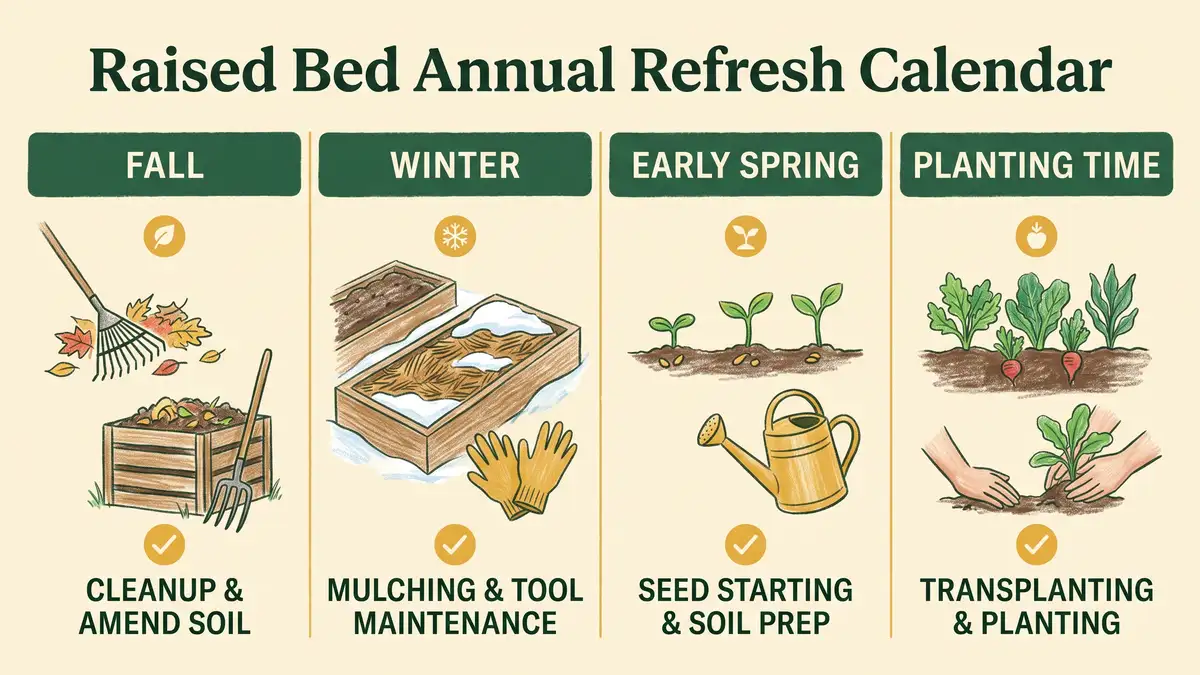
Fall: cut, do not pull
Cut spent plants at ground level and leave the root balls to break down in place. Collin County Master Gardeners recommend this as standard no-till practice. Rake off diseased foliage only.
Fall: sow a cover crop or mulch the surface
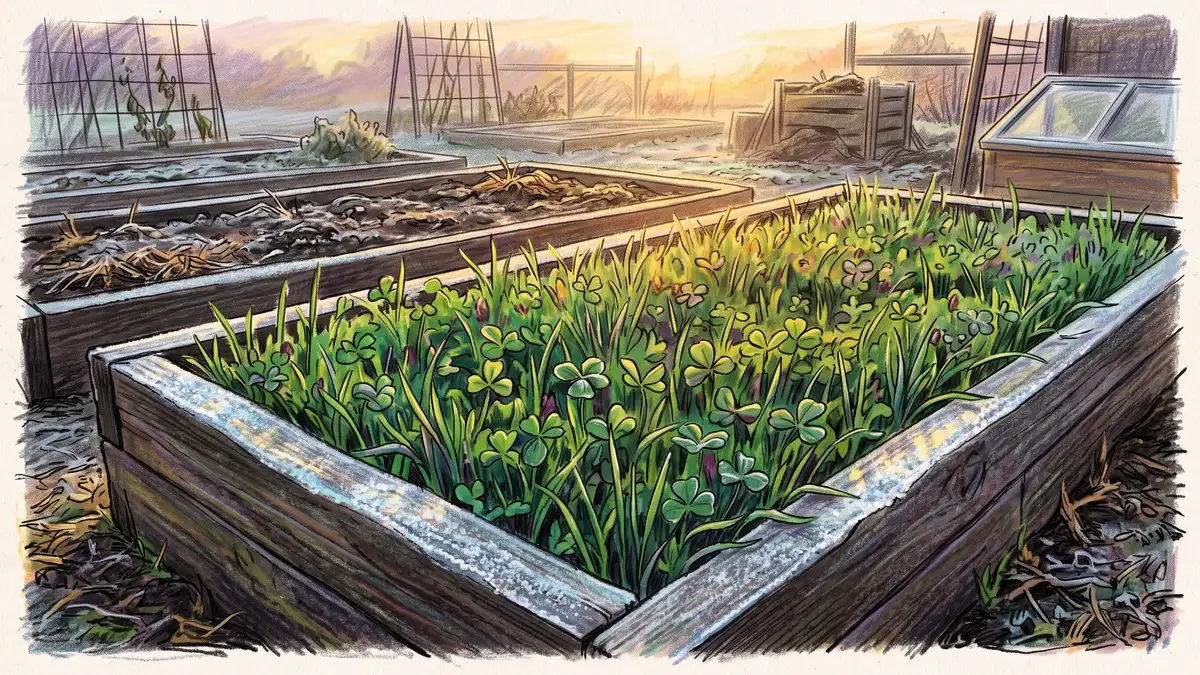
Bare soil over winter leaks nitrogen. Winter rye and crimson clover both establish in a small bed. If it is too late to sow, cover with 2 to 3 inches (5 to 7.5 cm) of shredded leaves instead.
Late winter: test, every second or third year
Sample from several spots and two depths in each bed, mix, and mail it in. Results usually come back in two to three weeks, well before planting.
Early spring: top up, then stop
Half an inch to an inch of compost across the surface, plus plain topsoil or leaf mold if the level has dropped. Add nitrogen at the rate the test specified. Do not dig it in.
Need the gear for this?
Metal, cedar or DIY: what each costs over ten years and where each one fails.
Compare raised bed kitsDoes Topping Beat Digging It In?
For an established bed, yes. The USDA NRCS found that under residue management and no-till, soil organic matter increased by an average of 986 pounds per acre per year, about 0.1 percentage point annually in the surface horizon. That is slow, but it is a gain rather than the steady loss that repeated tillage produces.
Oregon State still recommends incorporating compost into the top 8 to 12 inches for existing beds, which matters if your soil is dense or poorly structured. In a bed that already drains and crumbles well, surface application does the same job and leaves the fungal networks alone. Our no-dig gardening guide covers the transition.
Be sceptical about the products sold to accelerate this. WSU Extension's mycorrhizae primer is worth reading before buying inoculant, since most garden soils already carry the fungi and disturbance is the real problem. The Garden Professors take a similarly measured line on biochar. Neither is a substitute for compost, cover and leaving the soil alone.
Key Takeaway
The annual refresh that works is unglamorous: an inch of compost, topsoil for volume, nitrogen by test, and something covering the soil over winter. Rock dust, inoculants and biochar are optional at best.
Frequently Asked Questions
How do you amend raised bed soil in spring?
Spread half an inch to an inch of finished compost across the surface, add plain topsoil or leaf mold if the level has dropped more than that, and apply nitrogen at whatever rate your soil test recommended. Skip the digging. If you want to loosen a compacted bed, push a broadfork or garden fork in deeply and rock it back and forth without turning the soil over, which aerates without destroying structure or inverting the profile. For a 4 ft (122 cm) bed that means an 18 to 20 inch (46 to 51 cm) head, and there is a fuller breakdown of broadfork sizing by bed width and soil type if this is your first one.
How much compost should I add to a raised bed each year?
Oregon State University Extension recommends one-quarter to 1 inch per year for an established vegetable bed, compared with 3 to 4 inches when building a new one. University of Maryland Extension puts it at about 1 inch annually. If you are running a strict no-dig system where compost is the only fertility input, 2 inches is the usual figure. Beyond that you are adding phosphorus and salts faster than crops can use them.
Do I need to replace raised bed soil completely?
Almost never. Soil does not wear out, it changes composition, and topping up plus targeted amendment restores it far more cheaply than a rebuild. The one exception is a bed where soil testing shows nutrients so far above the optimum range that dilution is the practical fix. In that case extension advice is to remove some soil and replace it with inert topsoil rather than more compost, then rebalance from there.
What organic matter percentage should raised bed soil have?
University of Maryland Extension advises that most garden and landscape plants perform best at organic matter of at least 2 percent, with 5 to 10 percent as the goal for vegetable and flower beds. Above roughly 10 percent you are into territory where phosphorus and soluble salts often start accumulating and the soil can become too loose to anchor plants well. A standard extension soil test reports the figure, so you do not have to guess.
Should I add lime to my raised beds every year?
No. University of Wisconsin Extension advises applying lime only when soil pH sits more than 0.2 units below your target, and warns that no further lime should go on until the previous application has had two to three years to equilibrate and pH has been retested. Most vegetables want pH between 6.0 and 6.8. Our soil pH guide covers the adjustment maths.
Get the Weekly Dig
One practical permaculture guide a week, written for gardeners who do this on weekends: building living soil without buying it in bags. Free, no spam, unsubscribe any time.
Join the Weekly DigRefreshing beds is one of the few gardening jobs where doing less produces better results. Test, top up modestly, keep the surface covered, and let the soil biology handle the rest. For the underlying principles, see our soil health guide, and for what to grow in the refreshed bed, our guide to companion planting for raised beds.
Resources
- Oregon State University Extension — EM 9308: How to Use Compost in Gardens and Landscapes
- University of Maryland Extension — Organic Matter and Soil Amendments
- University of Illinois Extension — Refreshing Raised Bed Soil
- Ask Extension — What to Do About Excessive Phosphorus and Magnesium
- USDA NRCS — Effects of Residue Management and No-Till on Soil Quality (PDF)
- USDA NRCS — Economics of Soil Health (PDF)
- University of Wisconsin Extension — Soil pH and Lime Requirement (A2809)
- Michigan State University Extension — Soil Testing Through MSU Extension
- Penn State Extension — Soil Testing
- University of Minnesota Extension — Getting Started With Cover Crops
- WSU Extension — A Gardener's Primer to Mycorrhizae