
Why the High Desert Is Not the Desert You Read About
Most desert gardening advice was written for Phoenix and Tucson. At 5,000 feet in Santa Fe, Flagstaff, Grand Junction or Prescott, almost none of it applies. Your problem is not a lack of winter chill. It is a short frost-free season, hard freezes, alkaline soil over caliche, and 9 inches of rain arriving mostly in six weeks of monsoon.
The good news is real: you have proper winter chilling, which the low desert does not. Apples, pears, hardy apricots, plums, jujubes and pinyon are all on the table, and quality can be excellent because cool nights build sugars. Below: the species that survive, the water strategy that makes them possible, and the establishment schedule that decides whether they live. For low-desert conditions, see our guide to growing a desert food forest with minimal water.
What you'll get:
- The climate numbers that define your real constraints
- Named cultivars that survive high desert winters and late frosts
- Water harvesting math sized against real infiltration rates
- How to plant through caliche and manage alkaline soil
- A three-year establishment watering schedule
Key Takeaway
High desert food forests fail on frost timing and establishment water, not on heat or drought. Choose late-blooming cultivars, build earthworks before you plant anything, and budget three years of deliberate irrigation. After that, the system largely carries itself.
What Do the Climate Numbers Actually Say?
Low rain, concentrated hard, short season, violent daily swings. NOAA's 1991 to 2020 normals put Albuquerque International Airport at 5,355 feet with 9.43 inches of annual precipitation, roughly 3.6 of which fall in July, August and September. About 38 percent of the year's water in one monsoon burst.
Elevation drives the rest: Santa Fe at 7,200 feet averages roughly 14 inches, Flagstaff at 6,910 feet around 21, Grand Junction and Reno closer to 7 to 9. Check your station through NOAA's US Climate Normals tool.
| Factor | High Desert (3,000 to 7,000 ft) | Low Sonoran Desert |
| USDA hardiness zone | 5a to 7b | 9b to 10b |
| Frost-free days | 90 to 150 | 250 to 300 |
| Winter chill | Ample for most temperate fruit | Often insufficient |
| Diurnal swing | 25 to 40 F | Narrower |
| Main limit | Late spring frost and cold | Heat and lack of chill |
Sources: USDA ARS Plant Hardiness Zone Map, University of Arizona Extension, New Mexico State University Extension
University of Arizona Extension names the sweet spot: 3,500 to 6,000 feet can be ideal for tree fruit, because lower ground is too warm to supply chilling and higher ground loses blossoms to late frost most years. NMSU adds the harder warning: late spring frosts hit frequently across the state and especially at altitude.
Which Species and Cultivars Actually Survive?
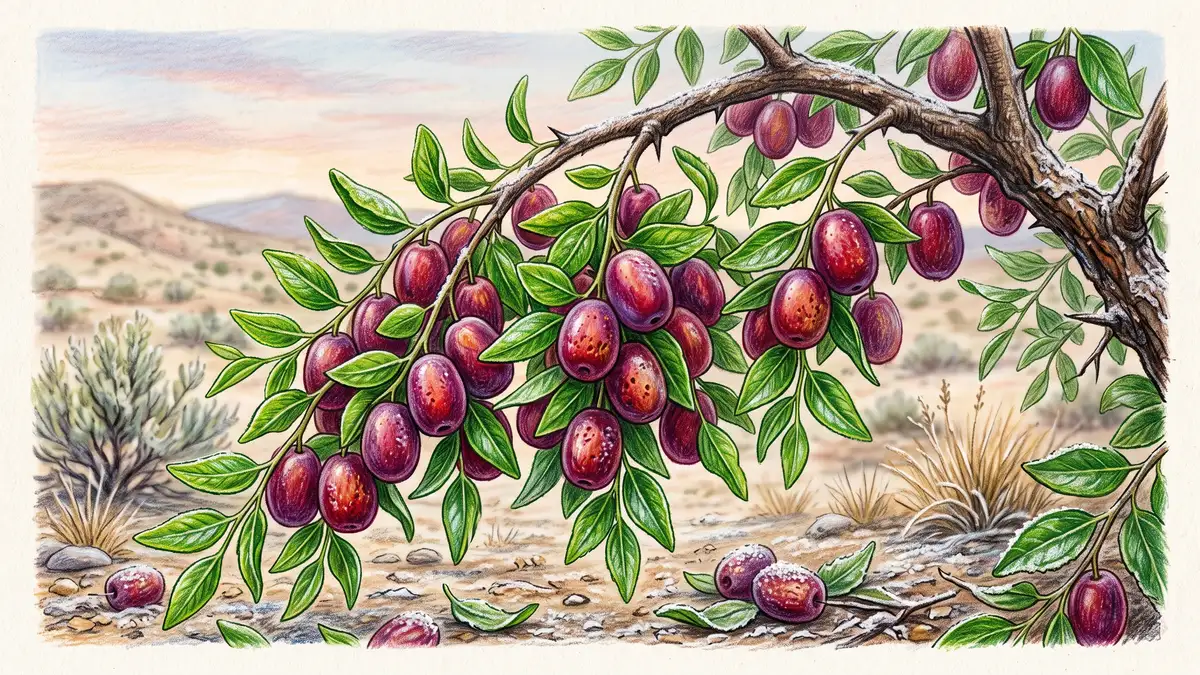
Bloom date matters more than cold hardiness. A tree rated to your zone still loses its crop annually if it flowers three weeks before your last frost. NMSU favours late-blooming and non-uniform varieties, which hold back some flowers that escape frost and still set a crop.
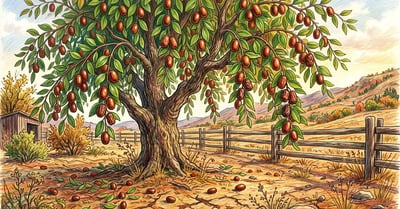
For apricots, NMSU reports the flower buds of 'Sunglo', 'Harglow' and 'Harlayne' are more winter-hardy than 'Perfection', 'Puget Gold' and 'Goldcot'. Among Japanese plums, 'Methley' is self-fruiting and more frost tolerant than most, while the hybrids 'Gold' and 'Sepa' are recommended for northern New Mexico and high elevations. For persimmons, 'Great Wall', 'Sheng' and 'Saijo' show strong cold hardiness, with the American 'Meader' and the hybrid 'Rosseyanka' hardier still.
Peaches have a hard floor: UA Extension advises against planting them where winter temperatures regularly drop much below 15°F (minus 9°C). Apples and pears bloom later and form the reliable backbone of most high desert plantings.
| Layer | Reliable Choices |
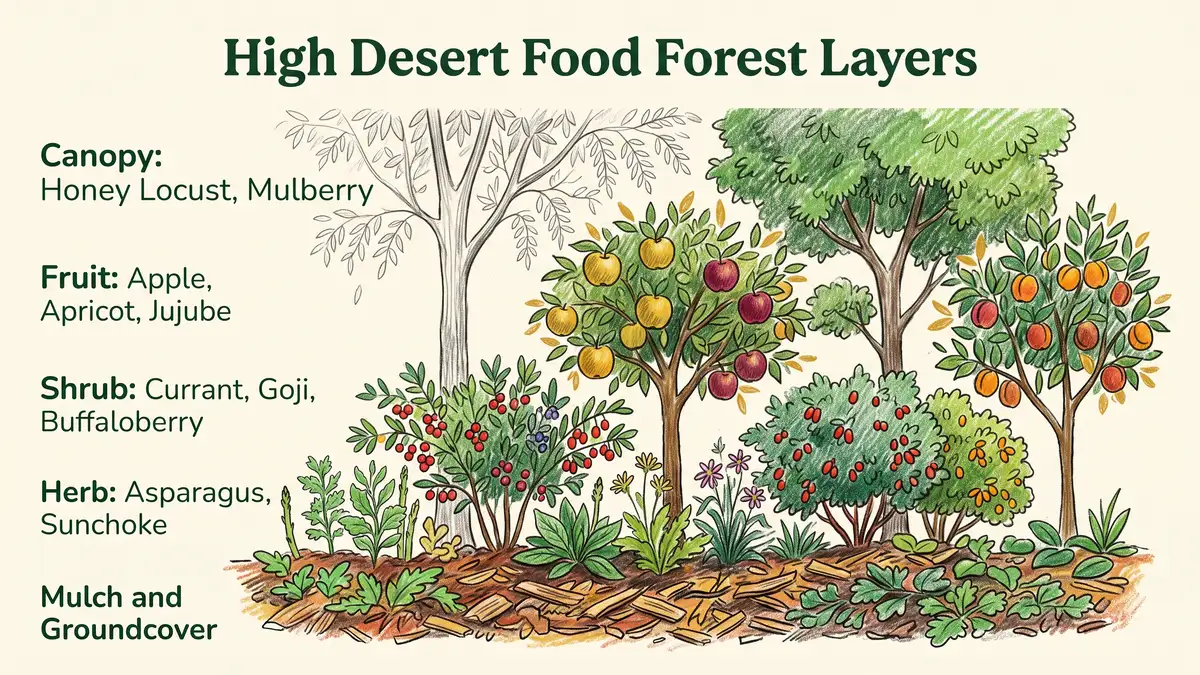
| Canopy | Honey locust, black locust, netleaf hackberry, Chinese pistache |
| Fruit | Apple, pear, hardy apricot, Japanese plum, jujube, mulberry |
| Nut | Pinyon pine; northern-type pecan only in warm low-elevation valleys |
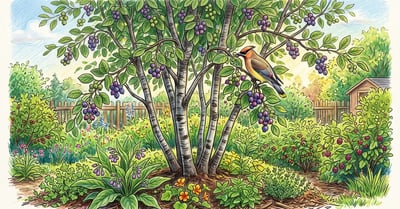
| Shrub | Currant, goji, Nanking cherry, buffaloberry, chokecherry, fourwing saltbush |
| Nitrogen fixers | New Mexico locust, Siberian pea shrub, false indigo, native lupines |
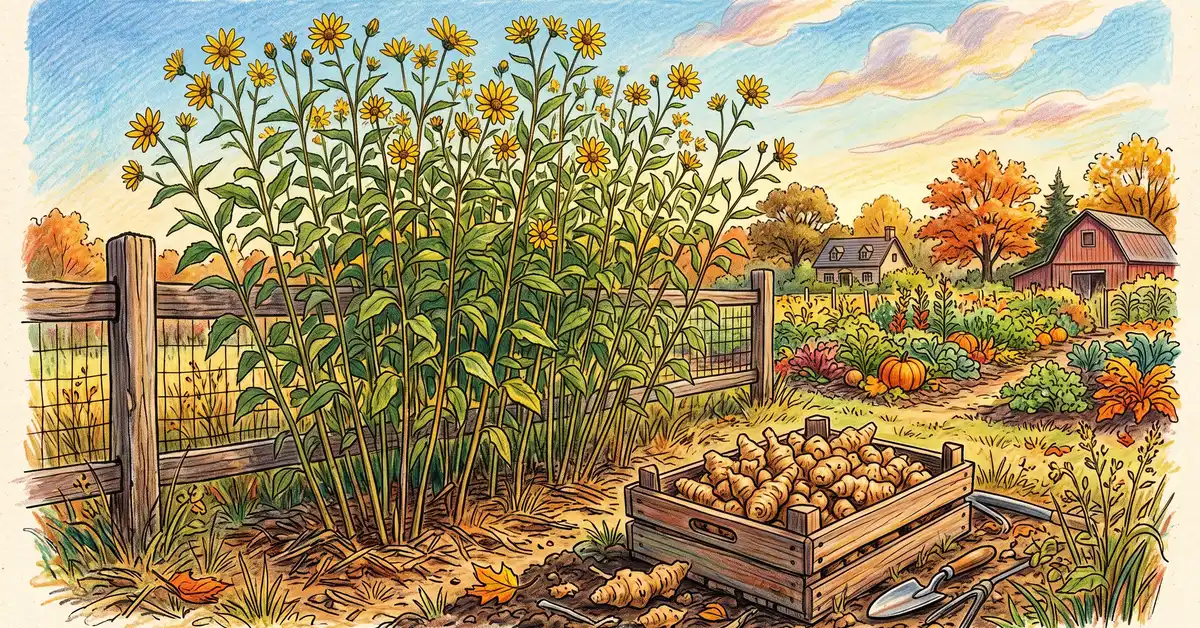
| Herbaceous | Asparagus, sunchoke, Egyptian walking onion, sage and thyme |
Sources: NMSU Fruits and Nuts for New Mexico Orchards, University of Nevada Reno Extension
On pecans NMSU is careful: northern-type cultivars such as 'Witte', 'Colby' and 'Lucas' may survive northern winters, but summers at altitude are often too cool to mature a crop. Let pinyon carry the nut layer higher up. NMSU also flags iron chlorosis on alkaline soil for grapes, especially 'Concord', which our guide to iron chlorosis covers.
How Do You Get Water Into the Ground and Keep It There?
Earthworks before planting, always. One inch of rain on 1,000 square feet yields about 623 gallons, so Albuquerque's 9.43 inches delivers roughly 5,875 gallons a year off a 1,000 square foot roof. Flagstaff's 21 inches delivers about 13,000.
Size basins against real infiltration. USDA NRCS gives steady-state rates of over 0.8 inches per hour for sands, 0.2 to 0.4 for loams, and 0.04 to 0.2 for clays. A 100 square foot basin bottom in loam at 0.25 inches per hour absorbs roughly 15 gallons an hour, while one inch of storm off that roof sends 623 gallons at it. You need a chain of basins with planned overflow, not one hopeful hole.
That chain logic is what Tohono O'odham ak-chin runoff farming has always done, slowing and spreading water with brush and rock check dams. The PBS NOVA feature Harvesting the Future documents a street-side version harvesting over 10,000 gallons a year from paved runoff.
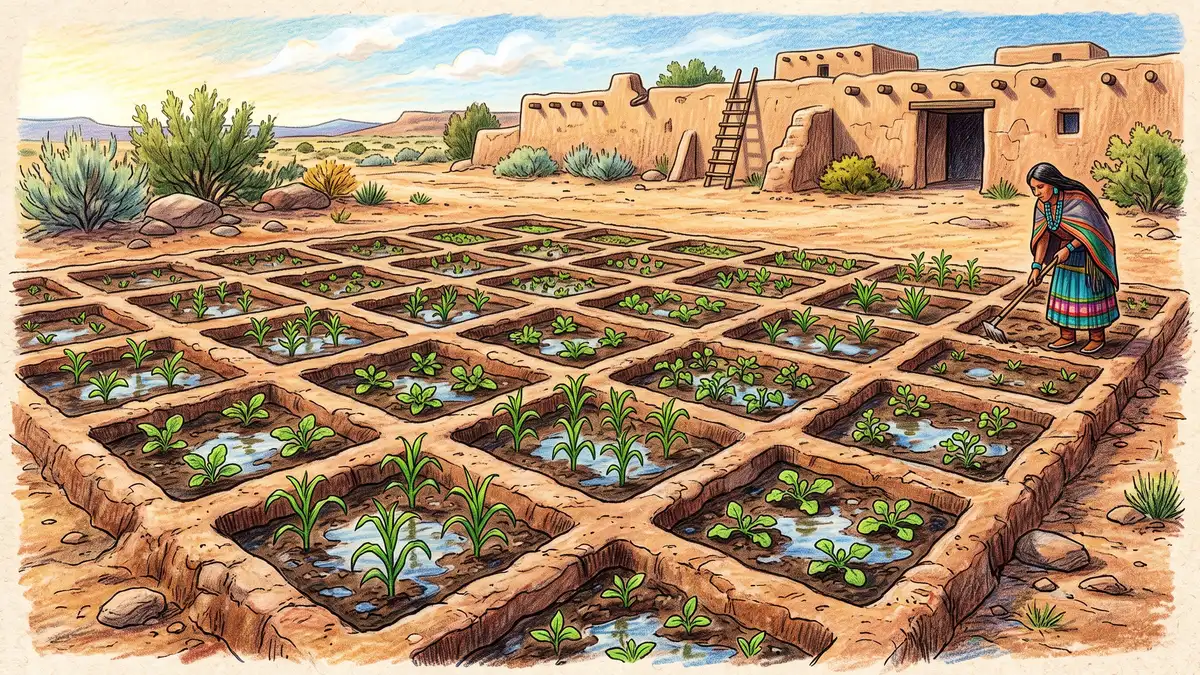
At the annual-crop scale, the Zuni waffle garden is the most refined version of this idea in North America. Civil Eats describes cells of roughly one square foot per cell, sunk just below ground level and walled with clay-heavy earth, retaining moisture and sheltering the soil from wind. One practitioner calls it the inverse of a raised bed, which is the point: in the arid Southwest, sinking beds is right and raising them is wrong.
Why This Works: Slow It, Spread It, Sink It
Every technique here does the same three things to a raindrop. New Mexico's acequias have run on this logic for centuries: NMSU's analysis of river, acequia and shallow groundwater interactions concludes that lining earthen ditches with concrete removes seepage that recharges shallow groundwater and supports nearby fields. What engineers called a loss is storage. Your swale is a very small acequia.
What Do You Do About Caliche and Alkaline Soil?
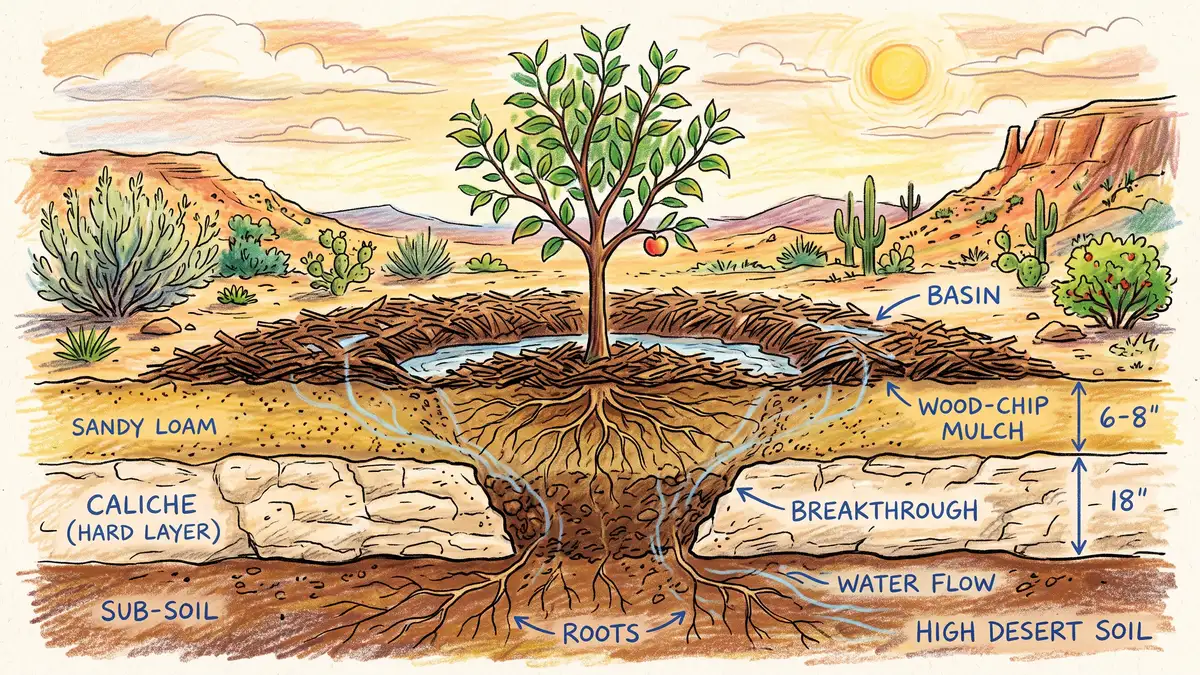
Break through it or plant somewhere else. Caliche is a cemented calcium carbonate hardpan common across the Southwest, and it stops roots and drainage alike. If your planting hole holds water overnight, you have hit it. Dig through to free-draining material below, or move the tree. Filling a caliche hole with good soil creates a bathtub that drowns the tree.
The same carbonate keeps soil pH high, which is why alkaline chlorosis is the second most common complaint after frost damage. Organic matter is the durable answer, and needs continual replacement because it oxidises fast under intense sun. Skip fertiliser in the planting hole: both NMSU and UA warn that salt injury is a real risk in arid soils.
Common Mistake to Avoid
Frequent shallow watering. NMSU is explicit that light, frequent applications promote shallow roots and drought vulnerability, and that grass should be kept out to the drip line because lawn irrigation never reaches tree roots. Your trees' drought survival in year four is decided by how you water in year one.
How Do You Get Trees Through the First Three Years?
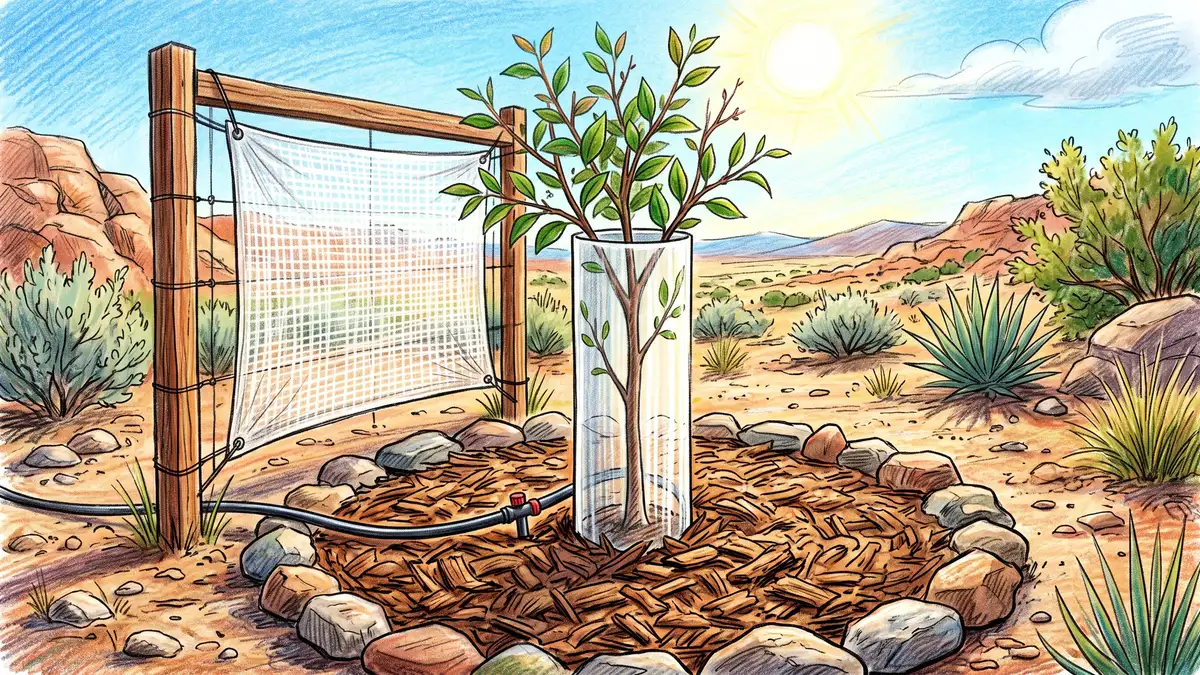
This is where high desert food forests are won or lost. Follow the extension schedule, not instinct.
Build earthworks first, plant second
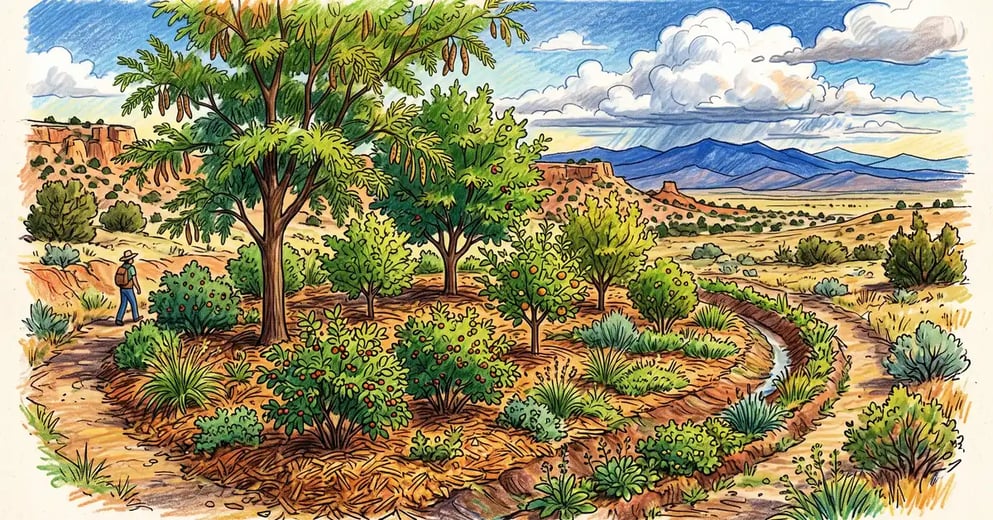
Basins, swales and check dams go in during the dry spring so the first monsoon fills them. Plant into an established water pattern, never the reverse.
Plant bare root in late winter
Keep roots moist until planting, soak bare roots a few hours if needed, and add no fertiliser to the hole. Build a basin wider than the root ball from day one.
Water on the extension schedule
UA advises every 2 to 3 days lightly for the first month, then lengthening intervals. NMSU calls for every 7 to 14 days through the first growing season, deep each time.
Mulch and protect the trunk
Lay 4 to 6 inches (10 to 15 cm) of mulch across the whole basin. Paint trunks with white latex against winter sunscald and shade the southwest side through the first summers.
Widen the basin every year
Enlarge basins outward past the drip line as the canopy grows, so water always lands where the feeder roots actually are. By year three, taper irrigation toward monsoon dependence.
Why This Works: Stacking in Vertical Space
Each layer shelters the one below. The canopy cuts evapotranspiration on the fruit trees, the fruit trees shade the shrubs, and mulch breaks the soil-to-air capillary path. In a humid climate the seven-layer structure is about capturing light. Here it is about conserving water, which is why high desert plantings run more open and more mulched than eastern ones.
Key Takeaway
Pick late-blooming cultivars, dig through the caliche, build a chain of basins before planting, mulch 4 to 6 inches deep, then water deeply every 7 to 14 days the first season and taper over three years. That sequence, in that order, is the method.
Frequently Asked Questions
What can you grow in a high desert food forest?
Apples and pears are the most reliable fruit because they bloom late enough to dodge most frosts. Add hardy apricots such as 'Sunglo' or 'Harlayne', Japanese plums like 'Methley', plus jujube and mulberry, which handle alkaline soil and heat well. For shrubs, use currant, Nanking cherry, goji, buffaloberry and chokecherry. Pinyon pine covers the nut layer above about 4,500 feet, and nitrogen fixers include New Mexico locust and Siberian pea shrub. Full structure in our food forest guide.
How is high desert gardening different from low desert gardening?
Almost completely. High desert sits in USDA zones 5a to 7b with 90 to 150 frost-free days; the low Sonoran desert runs 9b to 10b with 250 to 300. The practical reversal is chill hours: the low desert struggles to supply enough winter cold for traditional apple and peach cultivars, while the high desert supplies plenty but threatens the blossoms with late frost. Low desert growers hunt low-chill varieties; high desert growers hunt late-blooming ones.
How much water does a young fruit tree need in the high desert?
Follow interval guidance rather than fixed gallons, because soil texture changes everything. University of Arizona recommends watering every 2 to 3 days lightly for the first month after planting, then extending intervals as roots establish. NMSU recommends every 7 to 14 days through the first growing season, watering deeply each time rather than little and often. Check soil moisture 6 to 8 inches down with a probe or screwdriver before each watering, and always wet the whole basin out past the drip line.
What is caliche and how do you plant through it?
Caliche is a hardpan of cemented calcium carbonate found throughout Southwestern soils. It blocks roots and drainage, and it is the reason many well-watered desert trees drown. Test by filling your planting hole with water: if it has not drained within a day, you have hit a pan. Break through to free-draining material below, or relocate the tree. Do not simply backfill with good soil, because an unlined hole in caliche behaves as a bathtub with no outlet.
What is a waffle garden?
A waffle garden is a traditional Zuni technique of sunken square planting cells, each roughly a square foot, set just below grade and divided by low clay-rich earthen walls. The walls slow lateral water movement and shelter soil from wind, while the sunken surface catches rain instead of shedding it. It is the inverse of a raised bed, and it makes sense for the same reason raised beds do in wet climates: build the shape that fixes your limiting factor. Combine it with deep mulching for annual crops in the understorey.
Get the Weekly Dig
One practical permaculture guide a week, written for gardeners who do this on weekends: food forest and guild designs that produce. Free, no spam, unsubscribe any time.
Join the Weekly DigResources
- University of Arizona Extension: Backyard Fruit Production at 3,500 to 6,000 Feet
- New Mexico State University: Fruits and Nuts for New Mexico Orchards
- New Mexico State University: Establishing Fruit and Shade Trees
- New Mexico State University: River, Acequia and Shallow Groundwater Interactions
- USDA NRCS: Soil Quality Indicators, Infiltration
- USDA ARS: Plant Hardiness Zone Map
- NOAA NCEI: US Climate Normals Quick Access
- National Weather Service: Grand Junction Monthly Climate Table
- Civil Eats: The Resurgence of Waffle Gardens
- PBS NOVA: Harvesting the Future, Tohono O'odham Ak-Chin Farming