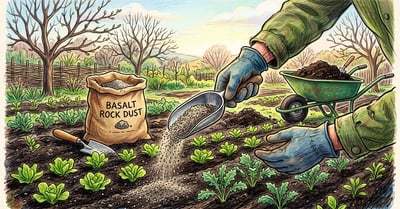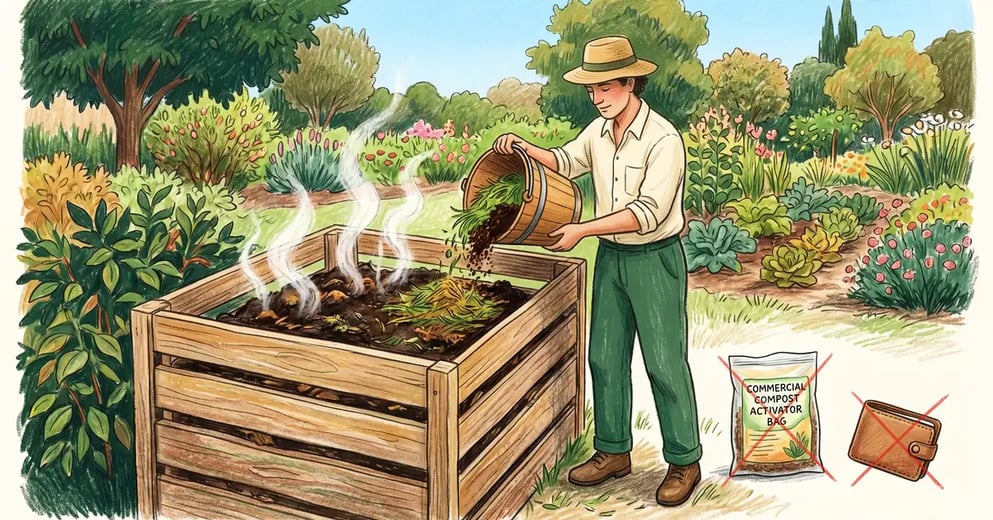

The compost bin at the back of your yard has been sitting cold for 6 weeks. The garden center sells you a $20 bag of compost activator and promises hot, finished compost in 4 weeks. Should you buy it? Mostly no. The honest answer is that 90 percent of commercial compost activators are a clever way to sell you nitrogen for 5 to 10 times what it actually costs.
This guide breaks down what compost activators actually contain, when (if ever) they help, the much cheaper alternatives that do the same job, and the 5 factors that genuinely speed up a compost pile. All sourced to university extension services, not product marketing.
Key Takeaway
A compost activator is anything that supplies nitrogen, microbes, or both to a compost pile. The microbes are usually already there. The nitrogen is the active ingredient. You can get the same effect for free with grass clippings, coffee grounds, urine, or a shovelful of finished compost. Skip the $20 commercial product unless you have a specific use case (fermented bokashi for meat scraps, mycorrhizae for finished amendment, or a very cold winter pile that needs a microbial restart).
What is a compost activator?
A compost activator (also called accelerator or starter) is any material added to a compost pile to speed up decomposition. Kansas State University Extension defines them as substances that provide either supplemental nitrogen, microbial inoculants, or both.
The category covers three different things sold under similar names:
| Type | What it provides | Does it actually help? |
| Nitrogen-rich amendment (blood meal, urea, alfalfa, manure) | Nitrogen | Yes, when the pile has too many "browns" |
| Microbial inoculant (commercial dry blend or liquid) | Bacteria, fungi, sometimes enzymes | Rarely; microbes already present in soil and scraps |
| Combo product (most retail "compost starters") | Small amount of nitrogen + microbe blend | The nitrogen helps; the microbes are the marketing |
Sources:
The honest answer: why most commercial activators are unnecessary
Cornell University's Composting program documents that the microbes responsible for composting (mesophilic bacteria, thermophilic bacteria, actinomycetes, fungi) are already present in soil, plant material, and on the surfaces of every kitchen scrap. A typical handful of garden soil contains over a billion microbes. Adding more is, in most cases, ecological coals to Newcastle.
BioCycle Magazine, the trade publication for the composting industry, has long documented the same finding for commercial-scale operations: inoculant products show statistically insignificant benefits when piles are properly balanced and managed. The Rodale Institute reaches the same conclusion in its organic farming composting guidance.
Where commercial activators show measurable benefit:
- Cold-start situations: A pile that has sat dormant through winter benefits from a fresh nitrogen and microbial input. A shovel of finished compost from a friend works just as well and costs nothing.
- Very young piles: Brand new bins set up on concrete with no soil contact may benefit briefly. As soon as soil organisms colonise (usually within 2 weeks), the advantage disappears.
- Specialised processes: Bokashi (anaerobic fermentation of meat and dairy) genuinely requires inoculated bran. Trichoderma-based activators show promise for specific pathogen-suppression goals (PubMed Central 2022).
Why This Matters: Microbial Inoculants Are Mostly Marketing
A typical commercial compost starter sells you 1 pound of dried bran or kelp inoculated with 5 to 10 microbial strains for $15 to $25. The same pound of nitrogen as blood meal costs $4 to $6. The same nitrogen from fresh grass clippings is free and arrives every time you mow. Read the labels carefully: most "compost starters" are 90 percent organic nitrogen + 10 percent microbial garnish.
The 5 factors that actually speed up compost
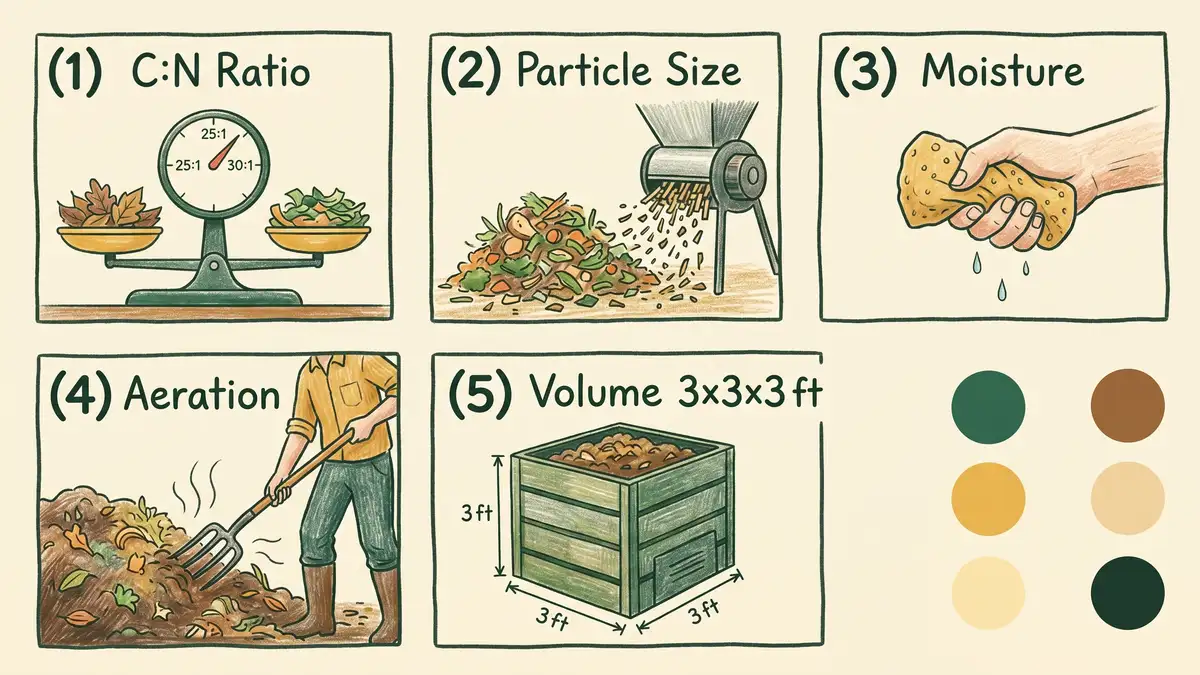
The real levers, validated by university extension research:
Get the C:N ratio right (25:1 to 30:1)
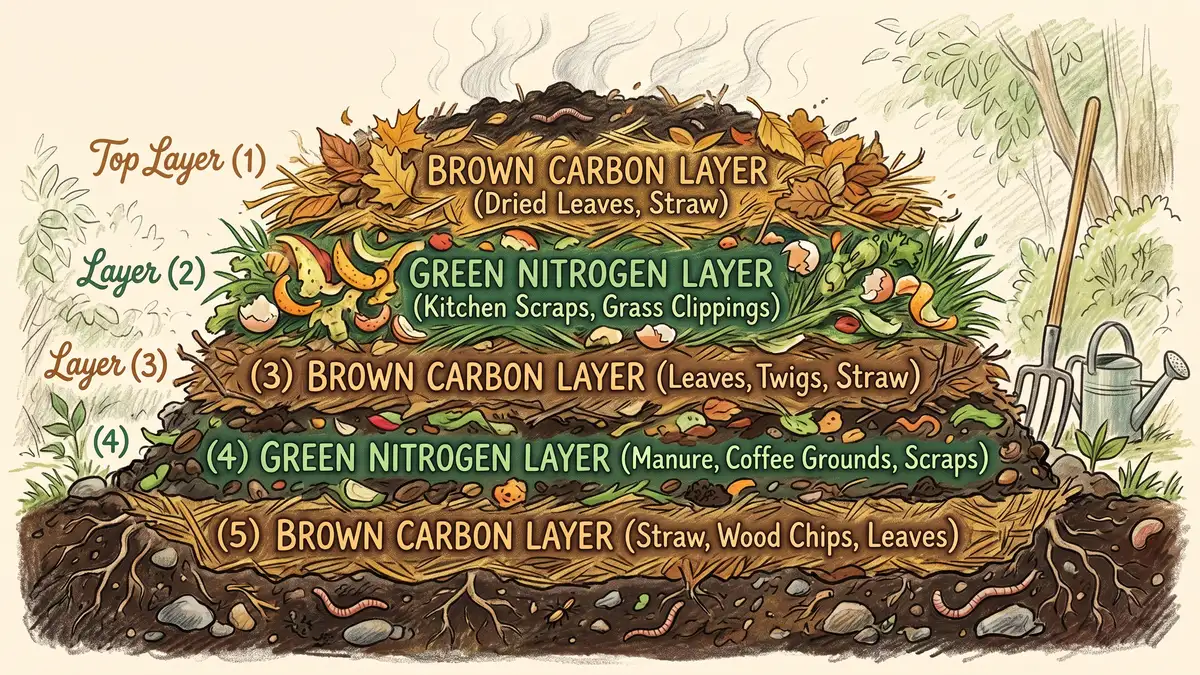
SDSU Extension documents that a carbon to nitrogen ratio of 25:1 to 30:1 by weight maximises microbial activity. Below 20:1, ammonia smells; above 40:1, decomposition stalls. Roughly: 3 parts browns (leaves, straw, cardboard) to 1 part greens (kitchen scraps, grass, manure) by volume.
Chop everything to under 2 inches
Smaller particles = more surface area = faster microbial attack. Peer-reviewed research (PMC 2024) documents particle size as a primary determinant of decomposition speed. Run a lawnmower over leaves and prunings before adding them.
Keep moisture at "wrung-out sponge" level (50-60%)
Squeeze a handful of compost. If a few drops come out, it is right. If water streams, too wet (add browns). If dust falls, too dry (add water and greens). Penn State Extension calls this the single biggest determinant of pile speed.
Turn weekly (or use a passive aeration trick)
Aeration introduces oxygen for the aerobic microbes that do the fastest work. Research on integrated aeration shows weekly turning roughly doubles decomposition speed compared to undisturbed piles. No-turn alternative: insert a few 4-inch PVC pipes drilled with holes vertically into the pile to chimney air through.
Build to at least 3x3x3 ft (27 cubic feet)
Below 27 cubic feet, the pile cannot retain its own heat and stays mesophilic (slow). At 3x3x3 ft or larger, internal temperatures hit 130 to 160 F (thermophilic range), killing weed seeds and finishing in 6 to 8 weeks. Documented in practitioner observations.
Fix these 5 factors and you do not need any activator at all. Skip them and no activator will help.
Get the Free GrowPerma Newsletter
Practical soil and composting guides, plant guild recipes, and seasonal checklists delivered weekly. No spam, easy unsubscribe.
Subscribe FreeWhat to use instead: 6 free or near-free activators
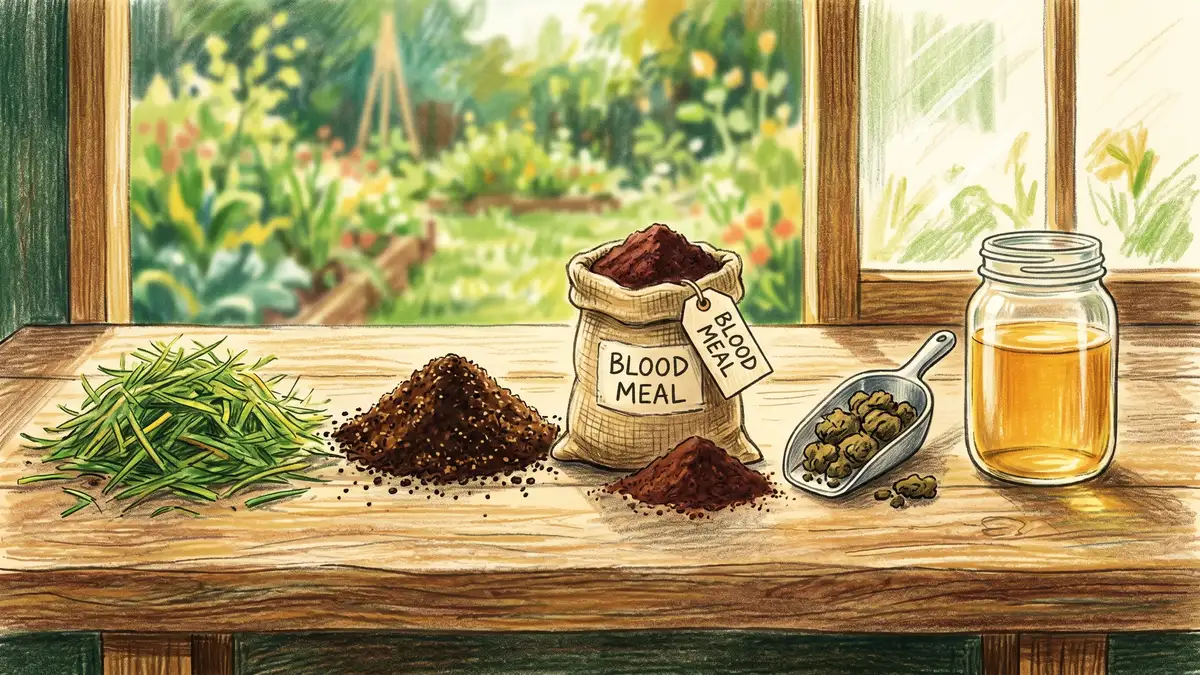
When your pile is too brown and slow, add nitrogen. Here are the cheapest US sources, ranked by cost-effectiveness.
| Activator | Cost (2026 US) | N content | Notes |
| Fresh grass clippings | Free | C:N ~17:1 | Best free activator if you mow. Mix immediately so they do not mat and go anaerobic. |
| Coffee grounds | Free (cafes give them away) | C:N ~20:1 | Oregon State Extension documents benefits. Mix in, do not layer thickly. |
| Urine (diluted 10:1 with water) | Free | ~6 to 10 g N per liter | Surprisingly effective. Apply diluted to keep pH balanced. Standard practice in permaculture systems. |
| Finished compost (a shovelful) | Free (from a friend or the bottom of your bin) | Microbe-rich | The single best "microbial inoculant" you can use. Already adapted to your local climate. |
| Chicken manure | $5-15 per 40 lb bag, or free if you keep hens | ~3-5% N | Hottest manure; small amounts go far. Tilth Alliance covers compost timing. |
| Blood meal | $3-5 per pound | 12-13% N | Fast-release nitrogen. 1 cup per 3x3 ft pile is plenty. |
| Alfalfa meal/pellets | $2-4 per pound | ~3% N + triacontanol growth hormone | Slower release than blood meal. Also useful as a soil amendment. |
Sources:
The 4 cases where buying an activator is actually justified
Not every commercial product is hype. There are 4 narrow situations where a paid product earns its place:
- Bokashi bran for fermenting meat, dairy, and oily scraps. Traditional aerobic composting cannot safely handle meat or cheese (attracts rodents, smells). Bokashi inoculated bran ($15 for a 2 lb bag, lasts months) is genuinely necessary for the anaerobic fermentation that processes these scraps.
- Mycorrhizae for finished compost amendment. If you want to inoculate finished compost with mycorrhizal fungi before applying to garden beds, a quality mycorrhizae product (Plant Success, Mycoapply) is the only reliable way. Not a "compost activator" per se; an amendment for the soil after composting.
- Restart kit after a winter freeze. A truly cold pile that froze solid through winter may benefit from a microbial restart product as the bare minimum to get spring activity going. Even here, a shovel of warm finished compost works.
- Apartment / indoor electric composters. Newer countertop electric units (Reencle, Lomi, Vitamix FoodCycler) use proprietary microbial blends in cartridges. These are genuinely required by the device design.
How to use nitrogen activators correctly
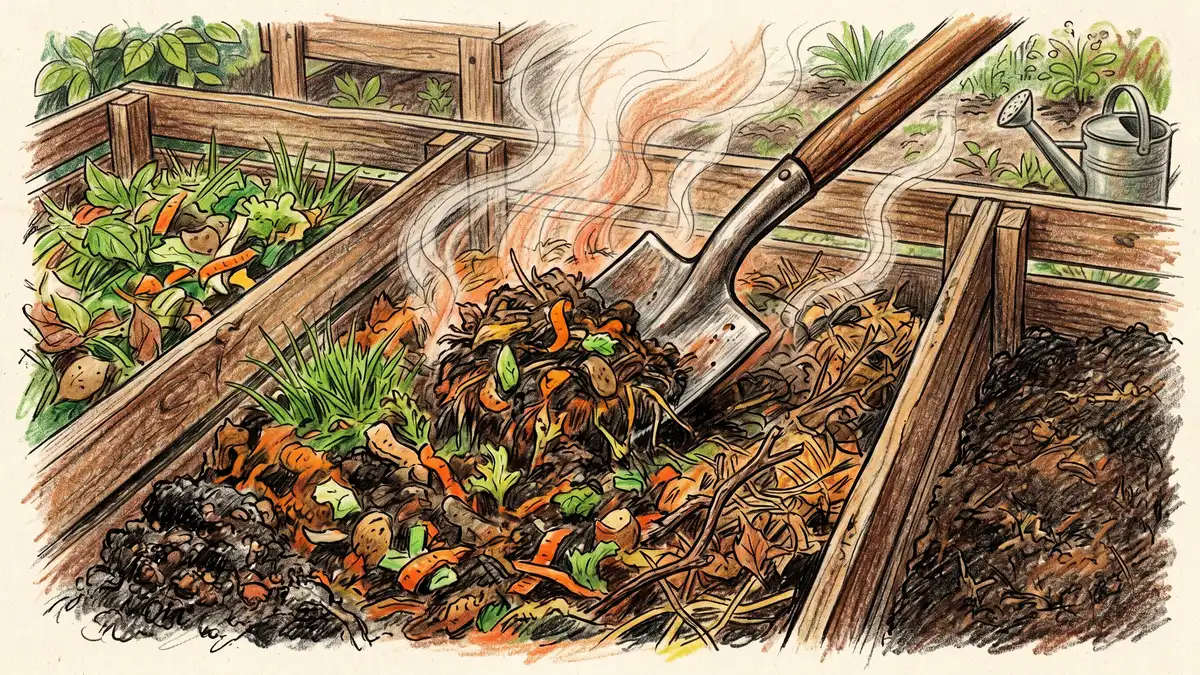
The goal is to bring an overly carbon-rich pile down toward the 25:1 to 30:1 sweet spot. Use these guidelines for a typical 3x3x3 ft pile (27 cubic feet):
- Blood meal: 1 to 2 cups, mixed into the top half of the pile, watered in.
- Urine: 1 to 2 gallons of urine diluted with 10 gallons of water, poured evenly across the top.
- Coffee grounds: 5 to 10 pounds, mixed in. Most cafes give away bags daily for free.
- Fresh grass clippings: 1 to 2 wheelbarrow loads, mixed in (do not layer thicker than 2 inches at a time).
- Chicken manure: 1 to 2 gallons, mixed in. Use sparingly because it is hot.
For broader context on the carbon-nitrogen science, see our deeper guides:, and how to start a compost bin. For the underlying soil principles, our soil health guide is the foundation.
What to avoid: 5 compost activator mistakes
Mistakes That Waste Money or Slow Down a Pile
Most activator problems come from buying a product instead of solving the real bottleneck. Before you spend $20, run through the 5 factors checklist.
- Buying a microbial inoculant when the pile is too dry. Microbes need moisture. Add water first.
- Pouring undiluted urine straight onto the pile. Concentrated urine spikes ammonia and pH. Always dilute 10:1 with water.
- Adding raw chicken manure without composting first. Hot manure can burn surrounding plants and contains pathogens. Compost separately for at least 90 days before mixing into a finishing pile or applying to beds.
- Layering thick mats of grass clippings. Grass that compacts goes anaerobic and stinks. Always mix grass into the pile, never layer.
- Repeated coffee ground dumping without browns. Coffee is acidic and adds tons of nitrogen. Balance with shredded leaves or straw at 3:1 brown:green.
FAQ
Do compost activators actually work?
Sometimes, but rarely in the way the marketing suggests. The microbial component of most commercial activators provides little measurable benefit because composting microbes are already present in soil and plant residues. The nitrogen component (when present) does help speed slow piles. Cornell University's Composting research documents that proper C:N ratio, moisture, particle size, and aeration matter far more than added microbes.
What is the best compost activator?
For most US home gardens: fresh grass clippings, coffee grounds, or a shovelful of finished compost. All are free or near-free. The "best" commercial activator if you really want one is a balanced organic blend like Jobe's Organic Compost Starter or Espoma Bio-tone, but you are paying for branded nitrogen.
Is urine a good compost activator?
Yes. Urine contains 6 to 10 grams of nitrogen per liter (urea form, ~80% of dry weight). It has an extremely low C:N ratio of about 0.8:1, making it one of the most concentrated nitrogen sources available. Best practice: dilute 10:1 with water and apply to the top of the pile. Avoid if you take medications that pass into urine (some antibiotics persist in compost).
How can I speed up my compost without buying anything?
Five free fixes: 1) Chop or shred everything to under 2 inches before adding. 2) Adjust C:N ratio by adding more greens (grass, coffee) or more browns (leaves, cardboard). 3) Check moisture (wrung-out sponge); add water or browns to fix. 4) Turn the pile weekly with a fork or aerate with PVC chimneys. 5) Build the pile to at least 3x3x3 ft to retain heat.
How often should I turn my compost?
Weekly during active phases produces the fastest results (6 to 8 weeks to finished compost). Every 2 weeks works fine for most home piles (10 to 12 weeks). Monthly or never works but takes 6 to 12 months. Peer-reviewed research shows weekly turning roughly doubles decomposition rate.
Does adding yeast or beer speed up compost?
Marginally and only because they add a small amount of nitrogen and sugar. Cheaper and more effective alternatives: a shovel of finished compost (adds adapted microbes), grass clippings (adds nitrogen), coffee grounds (adds both). Skip the yeast and beer except as a curiosity experiment.
Can you put too much urine on a compost heap?
Yes. Concentrated urine pushes the C:N ratio too low and produces ammonia (smell, nitrogen loss to atmosphere). Cap at about 2 gallons of urine per cubic yard of compost per week. Always dilute. Counterbalance with browns (straw, leaves, cardboard).
How to make compost faster in winter?
Insulate the pile (straw bales around the perimeter, tarp over the top). Build to 4x4x4 ft minimum (more thermal mass). Keep moisture at 50-60% (snow and rain compensate). Add nitrogen liberally (urine works well because it is warm when applied). Do not turn during freezes; turn only on warmer days. Even with all this, expect 50-70% slower decomposition than summer.
Start Your Permaculture Garden With Confidence
Get our free 12-page beginner's guide to permaculture gardening. Soil health, composting, plant guilds, and the principles that turn small yards into productive ecosystems.
Read the Free GuideResources
- Kansas State University Extension: Compost Activators (PDF)
- Penn State Extension: Home Composting Guide
- SDSU Extension: Composting Basics
- Cornell University: Compost Microorganisms
- BioCycle Magazine: Composting and Microbial Inoculants
- Rodale Institute: Composting Practices
- USDA NRCS: Composting Facility Conservation Practice (PDF)
- Oregon State Extension: Coffee Grounds in Compost
- Tilth Alliance: Composting Chicken Manure
- GrowVeg: Grass Clippings in the Garden
- PubMed Central: Integrating Aeration and Rotation to Accelerate Composting
- PubMed Central: Particle Size and Aerobic Decomposition